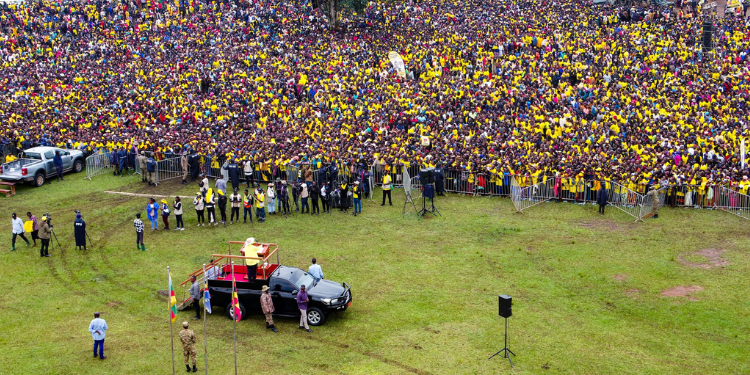
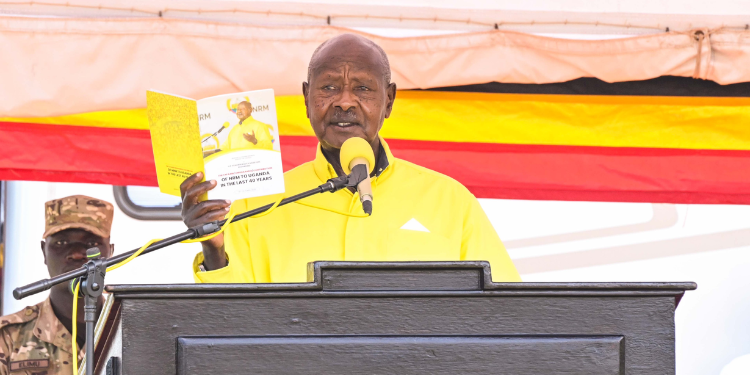
President Yoweri Museveni has been declared the winner of the 2026 Ugandan elections following the conclusion of the tallying process.
The Uganda Electoral Commission announced the official results confirming Museveni’s victory. The long-serving National Resistance Movement (NRM) leader secured 7,946,772 votes (71.65%), while opposition leader Robert Kyagulanyi, alias Bobi Wine, received 2,741,238 votes (24.72%), based on final tallies released on Saturday afternoon.
The declaration follows days of heightened political tension, security deployments, and international concern as vote counting progressed amid reports of violence, internet restrictions, and heavy police and military presence in opposition strongholds.
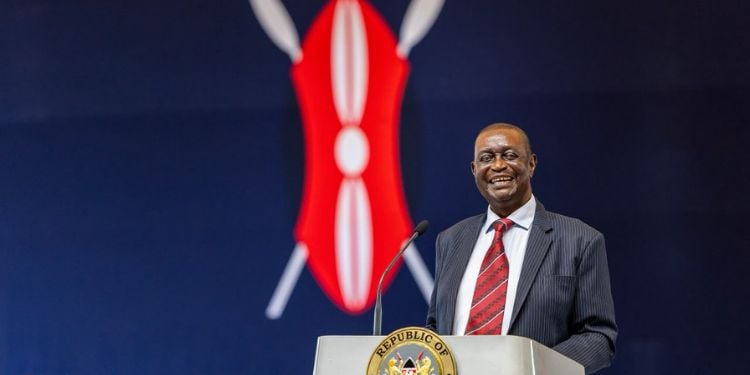
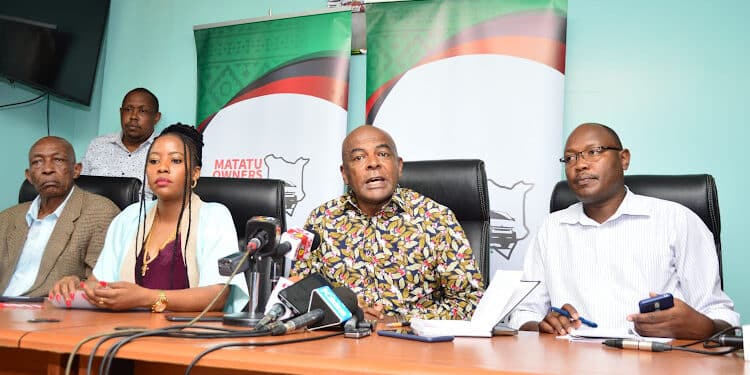
Uganda Electoral Commission Confirms Outcome
The Electoral Commission said the results were compiled from polling stations across the country after the January 15 vote, which was conducted under tight security.
Museveni, who has been in power since 1986, had earlier expressed confidence in a decisive victory, stating after casting his ballot that he expected to win with 80% of the vote if the process was not compromised. The outcome secures him another term in office, extending his tenure to more than four decades.
Also Read: Uganda Elections 2026: Voting, Counting and How Results Are Announced
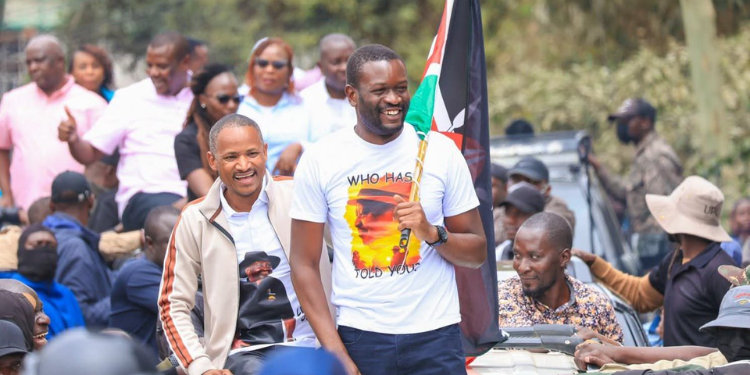
Opposition candidate Bobi Wine had earlier alleged electoral fraud and lack of transparency in the tallying process.
“IGNORE the fake results being announced by Byabakama. He can’t tell anybody where those results are coming from,” Wine said, referring to Electoral Commission chairperson Simon Byabakama.
“Our agents at the tally centre are asking him for the source of these results, and the regime enabler can’t say a thing. The PEOPLE OF UGANDA will have the final say on this nonsense,” he added.
Wine also claimed that security forces surrounded his residence shortly after he voted.
“Yesterday, after casting my ballot, the military deployed all around my home in order to place me under house arrest,” he said.
“These criminals even jumped over the fence and entered our compound. My house is still besieged — no one allowed to come in or go out.”
Reports of violence and clashes ahead of results
The announcement comes against a backdrop of reported violence in several areas, including Butambala town, about 55 kilometres southwest of Kampala.
Wine accused security forces of attacking opposition officials and supporters during the vote-counting period.
“Last evening, they attacked our Deputy President for Buganda, Hon. Muwanga Kivumbi, and killed ten of our supporters who were at his home,” Wine said.
“This, after they abducted our Deputy President, Western Region, and attacked our Deputy President, Northern Region.”
Police disputed the opposition’s account, saying officers fired in self-defence after an alleged attack on a police station by armed individuals. Authorities said deaths and injuries occurred during the confrontation.
As tensions escalated during the tallying process, the United States issued a nationwide security alert for Uganda.
In an advisory dated January 16, the U.S. Embassy in Uganda said security forces had used teargas and fired into the air to disperse gatherings, urging American citizens to exercise caution.
“U.S. citizens are encouraged to exercise enhanced caution, avoid large public gatherings, and limit unnecessary movements,” the embassy said.
Also Read: US Issues New Security Alert for Uganda as Museveni Heads for Landslide Victory
The advisory urged Americans to monitor local media, avoid demonstrations, carry proper identification, and remain alert as the post-election period unfolded.
International scrutiny and human rights concerns
The United Nations human rights office had earlier warned that the election was taking place in an environment of widespread repression and intimidation.
During the campaign period, opposition rallies were repeatedly disrupted by security forces using tear gas and live ammunition, incidents that resulted in deaths and mass arrests. Ugandan authorities said the measures were necessary to maintain law and order.
The election was also conducted amid an internet blackout, drawing criticism from international observers and limiting the flow of information during voting and counting.
Follow our WhatsApp Channel and X Account for real-time news updates.