This article is published as part of an affiliate marketing program. It contains affiliate links, and we may earn a commission if you purchase through these links, at no extra cost to you.
International money transfers can be expensive if you choose the wrong service, but the difference between providers can save or cost you.
For Kenyans in the diaspora, especially those in the United States, choosing the right service can make a big difference in how much money reaches home.
The cheapest way to send money internationally in 2026 is through specialized online money transfer services like Wise, Remitly, and OFX, which offer more competitive international money transfer rates with fees under 1% compared to traditional banks, which charge 4–5%.
Whether you’re sending from the US to Kenya, the UK to Nigeria, or anywhere else, these platforms save you hundreds on exchange rate markups and hidden fees.
Choosing the Cheapest Money Transfer Option
Transfer fees are the upfront charges you pay to send money.
Providers make money through exchange rate markups, which can be harder to notice.
The exchange rate is where most hidden costs lie. A small difference in rates can translate into thousands of shillings lost over time.
For example, if a provider offers a rate that is even two shillings lower per dollar, the loss on a 500-dollar transfer can exceed Ksh1,000.
This is why the best services aim to provide rates close to the mid-market rate, which is the same rate shown on global currency platforms.
Speed is another factor.
Instant transfers are convenient but usually cost more. Slower transfers, especially those funded through bank accounts, are often cheaper and ideal when there is no urgency.
Digital platforms now dominate the market because they combine low fees, competitive rates and convenience.
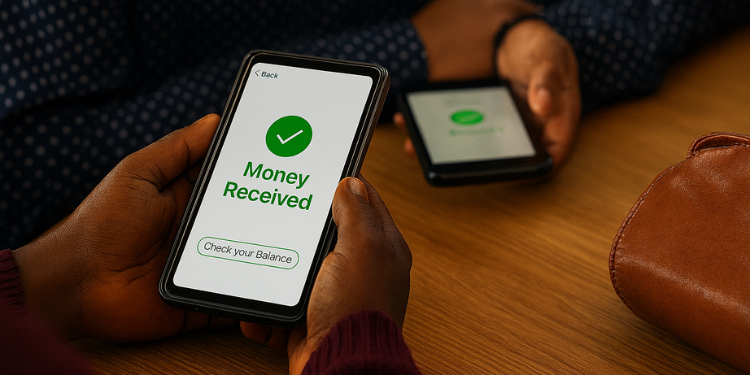
Mobile money has also transformed how funds are received in Kenya. Most major platforms allow direct transfers to M-PESA, enabling recipients to access funds instantly without visiting a bank or filling out paperwork.
Platforms You Can Use to Send Money Internationally
In this article, we explore leading international money transfer platforms offering flexible, affordable options for modern learners.
Traditional banks have long been used for international transfers, but they are increasingly losing ground to digital providers due to higher costs and slower delivery times.
Banks typically charge a fixed transfer fee, often between 20 and 50 US dollars, depending on the destination.
On top of this, they apply exchange rate margins of up to 4 or 5 percent.
These hidden costs significantly reduce the final amount received.
Transfers through banks can also take several days to process, especially when intermediary banks are involved. This delay makes them less suitable for urgent transfers.
Also Read: Metro Trans SACCO: Owners, History, Rise, and Routes Explained
Online platforms, on the other hand, are built for speed and efficiency. Most transfers are completed within minutes or hours, especially when sending to mobile wallets like M-PESA. Fees are clearly displayed, and users can compare exchange rates before confirming the transaction.
Another advantage of digital services is accessibility. Users can complete transfers entirely online using mobile apps or websites, without visiting a physical branch. This convenience has been a major factor in the shift away from traditional banking channels.
| Platform | Best Known For |
| Wise | Real exchange rates, transparency, high limits |
| Remitly | M-PESA transfers to Kenya, first-time promos |
| OFX | Large transfers, zero transfer fees |
| Revolut | Revolut-to-Revolut transfers, currency holding |
| Xoom | Fast cash pickup, PayPal integration |
| WorldRemit | Mobile money, multiple receive options |
WORKED EXAMPLE: US-to-Kenya Transfer
Real-World Scenario: Sending $500 from USA to Kenya via M-PESA
This is the most popular diaspora corridor for Kenyans abroad.
It consistently accounts for about 50%–58% of all remittance inflows
| Provider | Exchange Rate | Fee | You Send | Recipient Gets | Total Cost |
| Remitly | 1 USD = Ksh 130.50 | $0 (first transfer) | $500 | $500 | $0 |
| Wise | 1 USD = Ksh129.55 (mid-market) | $4.99 (bank transfer) | $500 | ~$456 | $4.99 |
| WorldRemit | 1 USD = Ksh128.80 | $2.99 | $500 | ~$476 | $2.99 |
| Western Union | 1 USD = Ksh126.50 | $9.99 | $500 | ~$454 | $9.99 |
| Traditional Bank Wire | 1 USD = Ksh124.00 (4% markup) | $45.00 | $500 | ~$365 | $45.00 |
With Remitly, the recipient gets Ksh20,000 more than with a traditional bank wire, plus zero fees on your first transfer.
The differences shown in the example highlight how exchange rates and fees interact to shape the final outcome.
While some providers advertise low or zero fees, they may apply weaker exchange rates that reduce the amount received.
For instance, the gap between Remitly and traditional bank transfers is due not only to fees but also the exchange rate markup applied by banks.
This hidden margin can significantly reduce the value of the transfer without being immediately obvious to the sender.
Over time, especially for regular transfers, choosing a provider with a better rate can lead to substantial savings.
For someone sending $500 every month, even a difference of Ksh2,000 per transaction amounts to Ksh24,000 per year.
This makes comparison an essential step before sending money internationally.
Step-by-Step: How to Send $500 US to Kenya via Remitly
1) Download the Remitly app or visit website
2) Create an account
- Click “Sign Up”
- Use email, Google, or Apple to register
- Verify your identity (government ID required)
3) Enter transfer details
- Send amount: $500 USD
- Receive method: M-PESA (mobile money)
- Delivery speed: Express (minutes) or Economy (1–3 days)
4) Enter recipient details
- Recipient name: (e.g., “John Kamau”)
- Phone number: +254 7XX XXX XXX (M-PESA number)
5) Pay for transfer
- Bank account (ACH): $0 fee, 1–3 business days
- Debit card: $0 fee, instant delivery
6) Confirm and track
- Review: You send $500, recipient gets KSh 65,250
- Click “Send Now.”
- Track transfer in real-time via app
After completion, the recipient receives an SMS notification, and the money appears in M-PESA within minutes.
Step-by-Step: How to Send $500 from US to Kenya via Western Union
1. Create an account or visit an agent
- Sign up on the Western Union website or mobile app, OR
- Visit a nearby Western Union agent location.
2. Start a transfer
Choose any of the following ways to send money:
- Online through the website
- Using the mobile app
- At a physical Western Union agent
3. Enter transfer details
Fill in the required information:
- Destination: Kenya
- Amount: $500
- Delivery method:
- M-PESA (mobile wallet)
- Bank account
- Cash pickup
4. Enter recipient information
Provide accurate details of the person receiving the money:
- Full name (as per ID)
- Phone number
- Bank details (if sending to a bank account)
5. Select payment method
Choose how you will pay:
- Bank transfer
- Debit or credit card
- Cash (for in-person agent transactions)
6. Review transfer costs
Check all charges before confirming:
- Transfer fee
- Exchange rate
- Total amount the recipient will receive
7. Send money and track the transfer
- Confirm and submit the transaction
- Track the transfer using the tracking number (MTCN)
8. Delivery timelines
- M-PESA or cash pickup: Usually within minutes
- Bank transfer: Typically 1–2 business days
Western Union is one of the oldest and most widely recognized money transfer services globally.
It offers both digital and physical transfer options, making it suitable for users who prefer flexibility, including in-person transactions.
The platform operates in over 200 countries, with thousands of agent locations worldwide.
Western Union allows multiple receiving options depending on the user’s preference.
It is important to note that Western Union applies its own exchange rate, which may include a markup.
Fees depend on the chosen method and transfer speed.
For cash pickup, the recipient must present identification at the collection point.
Western Union allows multiple receiving options depending on the user’s preference.
Recipients can collect cash at thousands of agent locations across Kenya or receive funds directly via mobile wallets like M-PESA.
WorldRemit vs Western Union: Key Differences
While both services allow fast transfers from the US to Kenya, they are built for different types of users.
WorldRemit is a digital-first platform designed for convenience and lower cost. It generally offers:
- Lower fees
- More competitive exchange rate margins
- Direct mobile money integration
Western Union, on the other hand, focuses on reach and flexibility.
It offers:
- A vast global agent network
- Cash pickup options in thousands of locations
- Multiple ways to send money, including in person
Both services charge fees and include exchange rate markups, but the total cost varies depending on the method used, the speed, and the destination.
Step-by-Step: How to Send $500 from the US to Kenya via Wise
Wise (formerly TransferWise) is one of the most transparent international money transfer platforms.
It stands out for using the mid-market exchange rate, which means users get a rate closer to what is shown on global currency markets, without hidden markups.
1. Create an account
- Visit the Wise website or download the mobile app
- Sign up using your email, Google, or Apple account
- Verify your identity using a government-issued ID
2. Enter transfer details
Fill in the transfer information:
- Send from: United States (USD)
- Send to: Kenya (KES)
- Amount: $500
3. View real-time costs
Wise will immediately show you:
- The real mid-market exchange rate
- Transfer fee
- Exact amount the recipient will receive
4. Choose how the recipient will receive money
Select the delivery method:
- Bank account
- M-PESA mobile wallet
5. Enter recipient details
Provide accurate information:
- Recipient’s full name
- Bank account details or M-PESA number
6. Choose how to pay
Select your payment method:
- Bank transfer (usually cheapest)
- Debit card
- Credit card
7. Review and confirm
Before sending, check:
- Total fee (typically about 0.5%–1%)
- Exact exchange rate
- Final amount in Kenyan shillings
8. Send and track the transfer
- Confirm the transaction
- Track progress in real time through the Wise app
9. Delivery timelines
- M-PESA transfers: Within minutes or same day
- Bank transfers: A few hours to 1 day
Wise allows users to track transfers in real time through the app.
Unlike many traditional providers, Wise does not rely heavily on hidden exchange rate margins.
Instead, it charges a transparent fee while using the real market rate for currency conversion.
This makes it particularly effective for:
- Larger transfers
- Users who want predictable costs
- Senders comparing multiple providers
Cybersecurity and Safe Money Transfers
Cybersecurity has become a major concern in international money transfers as more transactions move online.
Also Read: From Matatu Touts to Millionaires: The Rise of Umoinner Sacco
Globally, cybercrime losses now run into tens of billions of dollars each year, with financial transfers among the most targeted systems.
As digital platforms grow, fraudsters are using more advanced methods to exploit users and steal money.
Remittance users are especially exposed because they rely on mobile apps, online accounts, and cross-border services.
According to the Chubb Global Remittances Report (2025), about 34 percent of people who send money internationally have experienced some form of online fraud or cybercrime, highlighting how widespread the problem has become.
One of the most common threats is phishing, in which attackers send fake messages or create imitation websites to steal login credentials and financial information.
These attacks often appear as urgent notifications from banks, telecom companies, or government agencies, tricking users into revealing sensitive data or sending money to the wrong account.
Two-factor authentication has become one of the most effective tools for reducing these risks.
This system requires users to verify their identity in a second step, such as receiving a code via text message or using biometric verification.
Without it, accounts are significantly more vulnerable to unauthorized access.
In Kenya, the risk is even higher due to the widespread use of mobile money platforms like M-PESA.
Fraud cases involving mobile banking and digital wallets have increased sharply in recent years, with scams such as SIM swap fraud, fake customer care calls, and SMS phishing becoming more common.
Most of these scams rely on social engineering rather than technical hacking, meaning attackers manipulate users into making mistakes.
As a result, awareness and caution are critical.
Using secure platforms, verifying recipient details, enabling account protections, and avoiding suspicious links are essential steps to ensure international money transfers remain safe and reliable.
Editor’s note: This article reflects independent editorial judgment. The Kenya Times maintains the same factual and sourcing standards for affiliate content as for regular news coverage.