The Energy and Petroleum Regulatory Authority (EPRA) has announced the maximum retail prices for petroleum products, effective from April 15, 2025, to May 14, 2026.
In a review released on Tuesday, April 14, EPRA increased fuel prices of Super Petrol, Kerosene, and Diesel.
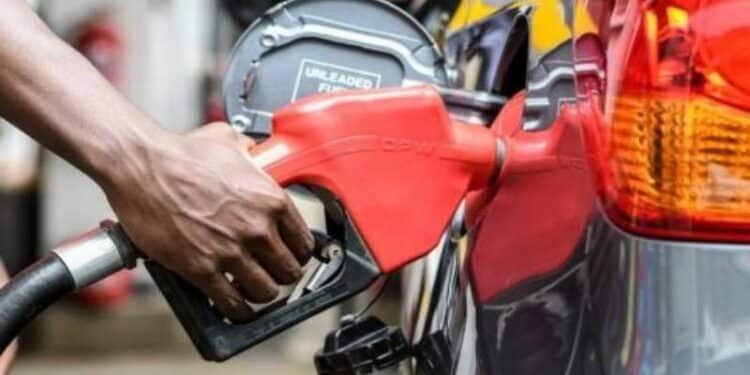
In the period under review, the maximum allowed petroleum pump prices for Super Petrol and Diesel increases by KShs.28.69/litre and KShs.40.30/litre respectively while the price of Kerosene remain unchanged.
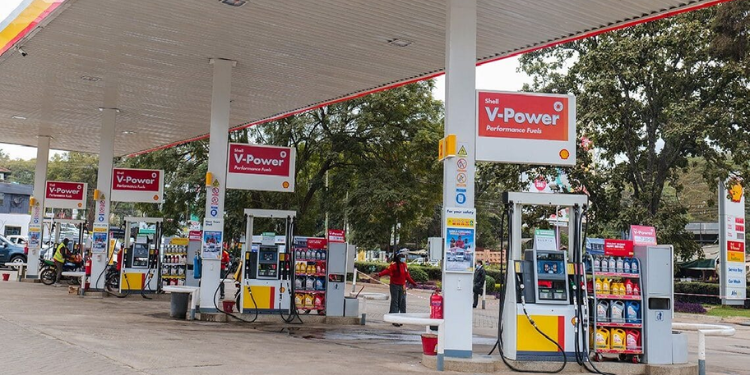
In Nairobi, Super Petrol, Diesel and Kerosene now retail at Kshs.206.97, Kshs.206.84 and Kshs.152.78 effective midnight for the next 30 days.
CS Wandayi Cautious on Fuel Prices
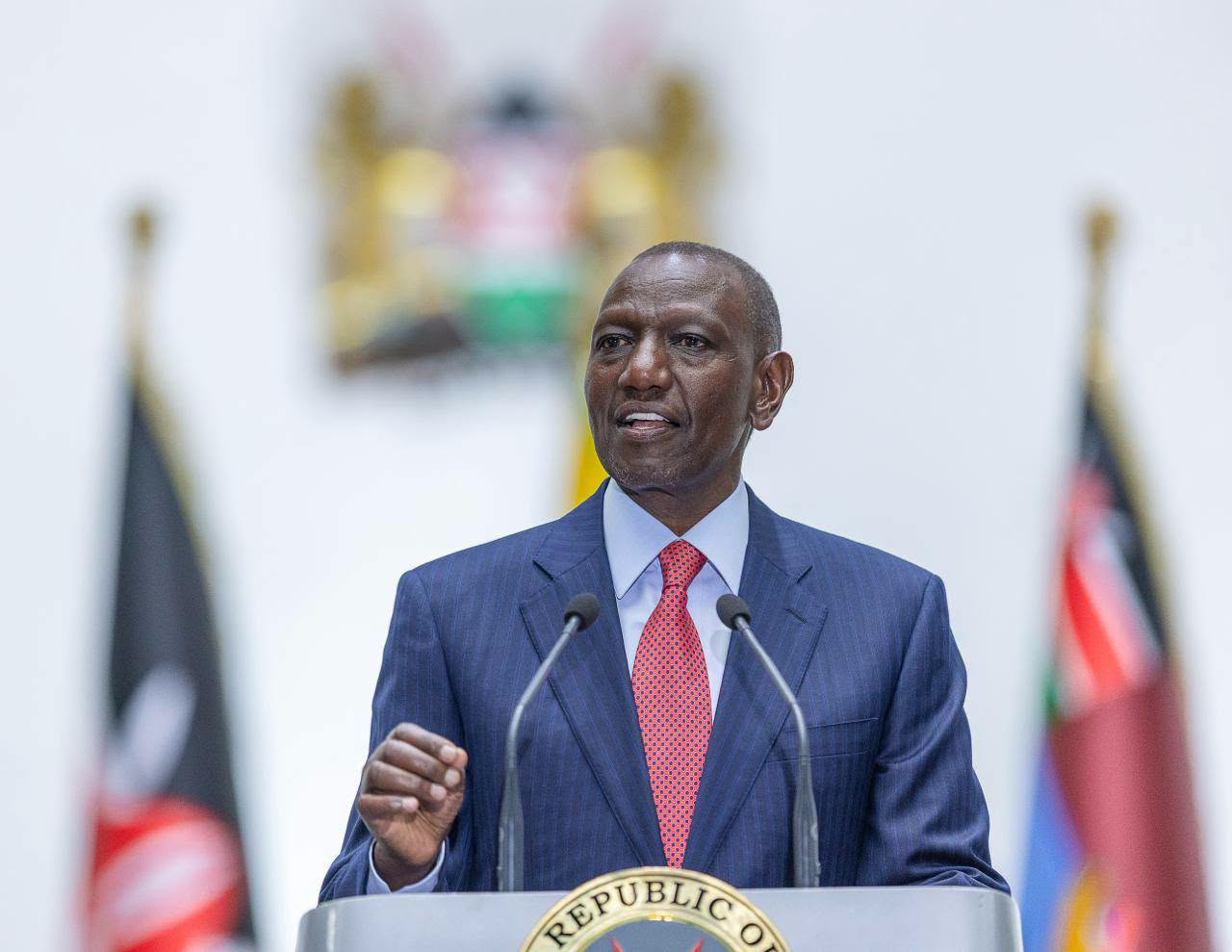
The price increase comes after Energy and Petroleum Cabinet Secretary Opiyo Wandayi declined to give a clear indication on whether Kenyans should expect a fuel price hike.
Appearing before the National Assembly’s Energy Committee on April 14, Wandayi noted that it would be premature to speculate on the outcome of the pricing decision, adding that the government could not pre-empt EPRA’s fuel prices announcement.
He added that fuel prices have risen globally, noting that while it remains unclear whether EPRA will increase local prices, the reality is that costs are already high.
Wandayi further stated that the cost of the latest fuel consignment would not be immediately factored into the pricing structure and urged the public to remain patient as they await the review.
He also indicated that the government is expected to outline measures to cushion consumers from potential price shocks.
Also Read: How EPRA Calculates Retail Fuel Prices
Fuel Scandals
In April, several fuel scandals emerged, forcing former EPRA Director General Daniel Kiptoo, Petroleum Principal Secretary Mohamed Liban, and Kenya Pipeline Company (KPC) Managing Director Joe Sang to resign.
The scandal led to their arrest and was linked to two fuel shipments imported outside the Government-to-Government (G2G) framework that were found to contain substandard fuel.
One of the shipments was sold at USD 290 (approximately KSh37,690) per tonne, more than three times the USD 84 (approximately KSh10,917.48) per tonne under the G-to-G deal.
According to Wandayi, the consignment had been excluded from the monthly pump price computation, preventing a sharp increase in fuel prices.
He noted that if it had been factored in, prices would have risen by about fourteen shillings per litre.
Also Read: Kenya Pipeline Publishes Fuel Stock Data as Shortage Fears Mount
Global Oil Prices Fluctuates
Global Oil prices jumped by over 7% on Monday, April 13, briefly crossing the $ 100-per-barrel mark after the United States moved to blockade Iranian ports following stalled negotiations with Tehran.
Brent crude, the international benchmark, climbed to about $102 per barrel before retreating to around $98 in later trading sessions in the U.S.
The United States and Iran had earlier reached a conditional two-week ceasefire agreement that included reopening the Strait of Hormuz, a critical route for global oil and gas shipments.
However, the collapse of the negotiations has heightened fears of a worsening global energy crisis.
Since the conflict began on February 28, shipments through the route have largely stalled, triggering a surge in global energy prices and driving up the cost of fuel, particularly petrol and diesel.