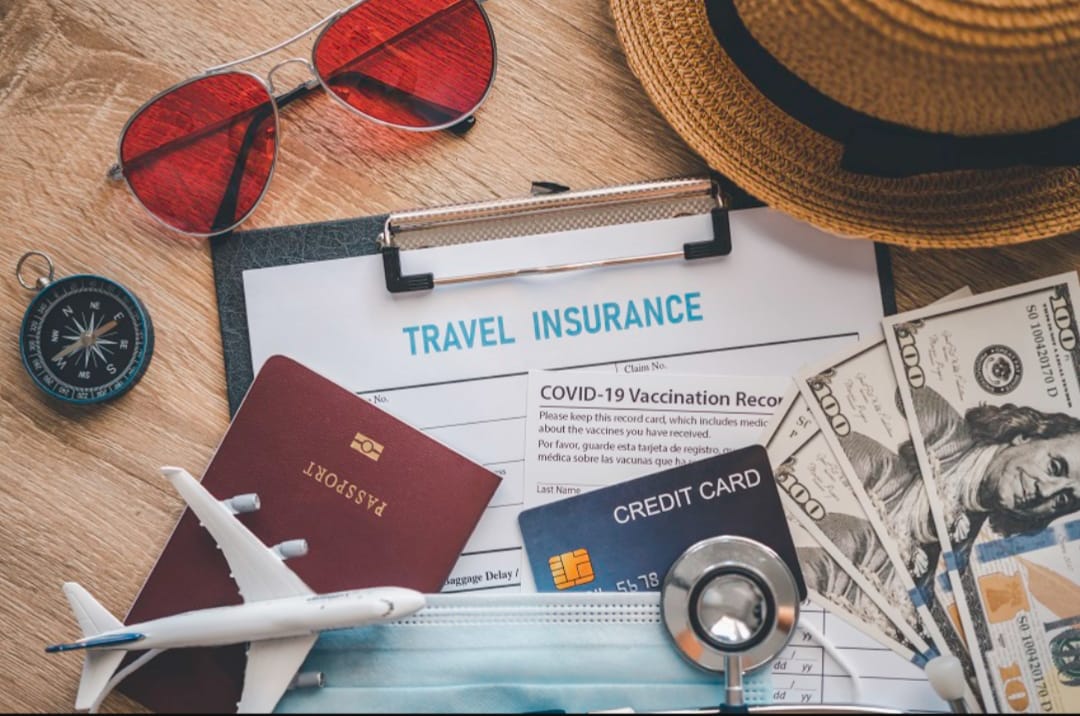
Six months before the December holidays, a family begins setting aside money for what they hope will be a memorable trip to Malaysia. By December 20, 2025, the plan has finally come together: flights confirmed, hotel booked, bags packed, documents ready.
At the final checkout stage, however, they pause. Travel insurance feels like an avoidable add-on, especially for a healthy family with no history of medical complications. Still, because it is a mandatory requirement, they pay an additional Sh19,500 for a comprehensive cover—an afterthought that would later spare them losses exceeding Sh200,000.
Midway through the journey, a sudden storm disrupts air travel and cancels their connecting flight, stranding the family at a layover in Bangkok. As they wait for the weather to clear, their youngest child suffers a severe allergic reaction to a local meal. The situation escalates quickly, requiring emergency medical evacuation to a better-equipped health facility.
What could have become a financial and logistical crisis instead unfolds in a controlled way. The travel insurance policy covers the evacuation and hospital care. It also cushions the cost of accommodation and meals during the unexpected delay, subject to policy terms. The family is able to focus on their child’s recovery rather than scrambling for funds in a foreign country.
Also Read: Policyholders Set to Receive Ksh500,000 as Insurance Compensation Hits New High
Stories like this are increasingly common, and they underline a reality modern travellers are coming to terms with: travel insurance is no longer optional.
International travel today exposes people to a range of unpredictable risks—medical emergencies, flight disruptions, extreme weather, lost baggage and missed connections. According to Stephen Lokonyo, Managing Director at First Assurance, travel insurance plays a critical role in absorbing these shocks.
“Travel insurance is a crucial investment for anyone journeying abroad,” Lokonyo notes. “It offers protection against medical emergencies, travel-related disruptions and unforeseen costs that can arise far from home.”
Changes in climate patterns have made flight cancellations and delays more frequent. New cuisines, environments and activities increase the likelihood of illness or injury. Even the most organised traveller can misplace luggage or fall victim to theft. In such moments, the financial burden can be overwhelming without cover.
Also Read: EXPLAINED: What Proposed Regulatory Changes to the Insurance Sector in Kenya Mean
Insurance does not eliminate risk, but it reduces the impact. Medical bills abroad, emergency evacuations or last-minute rebooking costs can run into hundreds of thousands of shillings—expenses most travellers do not plan for.
As travel becomes more accessible and global movement increases, the conversation around insurance is shifting. What was once viewed as a grudge purchase is increasingly recognised as a practical safeguard—one that allows travellers to explore with confidence, knowing that when plans unravel, they are not alone.
In an era defined by uncertainty, travel insurance has become less about compliance and more about preparedness
Follow our WhatsApp Channel and X Account for real-time news updates.