
Kenya’s plans to secure a Ksh78 billion emergency loan from the World Bank have hit a snag after the lender requested additional information before approving the funding.
The government had applied for the financing under the World Bank’s Rapid Response Option (RRO), an emergency lending facility that supports countries facing crises such as armed conflicts, pandemics and natural disasters.
According to the National Treasury, the funds are intended to help cushion the economy against the effects of escalating tensions in the Middle East, particularly the conflict involving the United States, Israel and Iran.
The government says the conflict has increased the risk of higher fuel and fertilizer prices, which could drive up the cost of transport, food production and other essential goods if global supply chains remain disrupted.
Treasury CS John Mbadi, in April this year, said that Kenya could access between Ksh74.9 billion (USD580 million) and Ksh77.5 billion (USD600 million) if it formally triggered the emergency support request.
World Bank Seeks More Details Before Approving Kenya’s KSh78 Billion Fuel Price Relief Loan
However, the World Bank has indicated that the loan cannot be processed until Kenya provides a clear breakdown of the emergency expenditures to the financed.
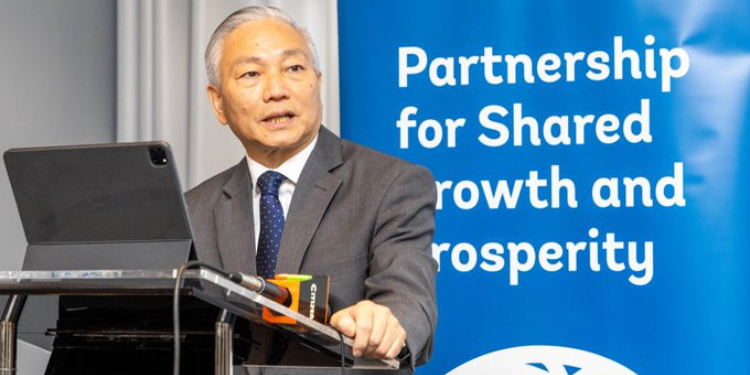
World Bank Kenya Operations Manager Anne Bakilana said the government had signed up for the facility, but discussions were ongoing to determine which emergency expenditures would be covered.
“Yes, the government has completed the procedure of registering for the option and has requested the RRO. We are in the process of determining precisely which expenditures the government wants to fund in an emergency,” Bakilana said.
The Central Bank of Kenya (CBK), through Governor Kamau Thugge, has separately acknowledged that the government has already requested “significant” rapid financial assistance to stabilize fuel supplies and inflation pressures.
Thugge noted that the request aligns with wider World Bank support programmes, including ongoing Development Policy Operations (DPO) discussions that predate the escalation of the Middle East conflict.
Also Read: World Bank Downgrades Kenya’s 2026 Growth Estimate
The request for additional details has delayed the disbursement of funds that the Treasury had hoped would help ease pressure on public finances as the country grapples with slower economic growth and rising expenditure needs.
About the Emergency Loan Facility
The Rapid Response Option allows countries to quickly repurpose and use up to 10 per cent of their undisbursed Bank financing across the Investment Project Financing and Program-for-Results portfolios to address emergency needs during a crisis.
This can be done through the Contingent Emergency Response Project (CERP) and the Development Policy Financing (DPF) Catastrophe Drawdown Option (Cat DDO).
However, governments seeking the facility must demonstrate how the funds will be used to address the specific crisis prompting the request.
Also Read: Kenya Asks for Emergency Loan From World Bank to Protect Itself Against Iran War
Kenya has been known as a highly vulnerable country due to its heavy dependence on imported fuel from Gulf markets, which have been disrupted by the war, driving up global oil prices.
The delay means Kenya will have to wait longer for the emergency financing even as concerns grow over the economic impact of instability in the Middle East.
Meanwhile, the lender has urged Kenya to prioritize cutting wasteful spending, reforming procurement, and containing the public wage bill rather than repeatedly increasing taxes.
It notes that stronger fiscal discipline and more efficient public spending would improve investor confidence, reduce borrowing costs, and support long-term economic growth.
Follow our WhatsApp Channel and X Account for real-time news updates.