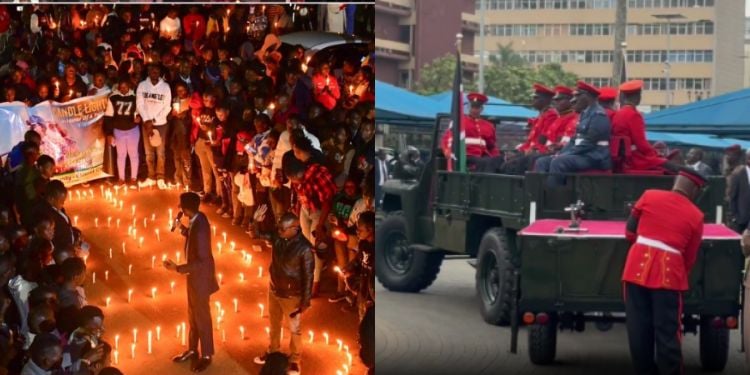
Narok County Governor Patrick Ole Ntutu, on March 2, announced the final burial arrangements for the late Emurua Dikirr Member of Parliament Johana Ng’eno and his associates, detailing how the family and the state will coordinate the plans.
The legislator died on February 28 following a fatal plane crash. A plane carrying six people crashed and burst into flames in the Chepkiep area of Mosop Constituency, Nandi County.
In his address, Governor Ntutu stated that the decision came after consultations with President William Ruto, National Assembly Speaker Moses Wetang’ula, and the funeral committee responsible for organising the event.
Following these discussions, the families agreed that all the deceased will be laid to rest on Friday, March 6, with a special prayer service scheduled for Wednesday, March 4, at the AGC Church in their honour.
Ntutu also noted that, according to Kalenjin traditional customs, the bodies of two of the deceased, Wycliffe Kiprotich Rono (Sportpesa Rono) and MP Ng’eno, will be taken to their homes on Thursday, March 5.
President William Ruto is expected to attend the burial, with government coordination noted, but no explicit declaration of a full state burial has been announced.
What Differentiates State-Supported Burials from State Funerals
State-supported burials focus on the burial itself, usually at family or regional sites, may include presidential attendance, involve little or no lying in state, and have simpler ceremonies based on the family’s wishes.
However, State Funerals in Kenya feature full national ceremonies with elaborate military honours, extended lying-in-state at public sites such as Parliament or State House, gun carriages, 21-gun salutes, and widespread mourning periods.
For both state-supported burials and state funerals, eligibility is granted by the President and coordinated with the relevant government departments, balancing national protocol with family wishes.
In Kenya, eligibility for a state-supported burial is generally limited to:
- Former Presidents and Vice Presidents – Leaders who have served the nation at the highest level.
- Current or Former Members of Parliament and Senior Government Officials – Those who held significant national offices.
- Heroes and Persons of National Significance – Individuals recognised for extraordinary contributions to the country, as determined by the government.
- Military and Police Officers – Typically, those who die in the line of duty or are declared national heroes.
On the other hand, state funerals are declared for the following individuals:
- Typically reserved for current Presidents and Vice Presidents.
- Sitting or retired Head of State, or Chief of Defence Forces.
- May include top national leaders or highly distinguished individuals as approved by the President.
- Often involves full national honours, lying in state, and official ceremonies.
Benefits and Procedures for State-Supported Burial
During state burials, there is presidential or high-level official attendance and formal recognition of the deceased’s national significance.
The family receives logistical support and coordination from the state, and the event often gains official media coverage
Procedurally, the President first approves eligibility, followed by consultations between the family, government officials, and funeral committees.
Also Read: Explained: What Is a State Funeral in Kenya and Who Qualifies
The burial site is chosen, usually a family, regional, or official cemetery, and ceremonial arrangements are made, often with limited lying-in-state.
The family may also observe traditional customs, such as transporting the body to the home before burial.
On the day of interment, the burial is conducted, sometimes with official or military honours, while respecting the family’s wishes.
Comparison of How They Are Conducted
This table summarises how the state burial and state funerals are conducted differently.
| Step | State-supported Burial | State Funeral |
| Eligibility & Approval | Approved by the President for eligible officials or persons of national significance. | Declared by the sitting President, typically for Heads of State or individuals with exceptional national contributions. |
| Consultation & Planning | Coordination between the family, government officials, and funeral committees. | Planning led by the government and family; the President may set a national mourning period. |
| Public Announcement | Family and local authorities informed; limited public notice. | National proclamation issued; flags flown at half-mast; public mourning announced. |
| Lying in State | Short or no lying in state; ceremonies scaled down per family wishes. | Body placed in a public venue (e.g., Parliament) to allow citizens to pay their respects. |
| Ceremonial Honors | May include limited official attendance or honours; focuses on family and regional participation. | Full military honours for sitting/former presidents; other distinguished individuals may receive honours as authorised. |
| Religious & Cultural Rites | Family and regional customs observed; simpler ceremonies. | Religious services aligned with the deceased’s faith; cultural or regional customs incorporated. |
| Burial Site | Usually family or regional site is chosen; simpler arrangements. | Chosen by family or at the national level, may reflect symbolic importance. |
| Public Participation | Limited, mainly family and local community. | Broader public participation; the government may declare a public holiday or national observance. |
| Timing | Coordinated with family schedule; flexible within customs. | Timing set by government and family; may include formal ceremonies over several days. |
Examples Of State Burials and Funerals in Kenya
Kenyans accorded a state burial in the past include:
Lucy Kibaki (2016): Former First Lady of Kenya, buried in Othaya with state honours and minimal pomp in accordance with family wishes.
Also Read: Details of Gun Carriage That Carried Moi, Kibaki and Raila in State Funerals
Wangari Maathai (2011): Nobel Peace Prize laureate and environmental activist, accorded state honours during her burial ceremony.
Wahome Gakuru (2017): Nyeri County Governor, given a state-funeral following his death in a road accident.
Joyce Laboso (2019): The second Bomet County Governor and former Deputy Speaker of the National Assembly was accorded state honours at her burial.
Mukami Kimathi (2023): Mau Mau freedom fighter and widow of independence hero Dedan Kimathi, honoured with a regional state burial in recognition of her role in the liberation struggle.
For State Funerals, the following are listed:
Jomo Kenyatta (1978): Kenya’s founding President and independence leader, accorded a state funeral with 10 days of lying in state before burial at the Parliament mausoleum.
Michael Kijana Wamalwa (2003): Vice President of Kenya, honoured with a state funeral and full national and military honours.
Daniel Arap Moi (2020): Kenya’s second President, given a state funeral that included three days of lying in state at Parliament and a national requiem service at Nyayo Stadium.
Mwai Kibaki (2022): Kenya’s third President, accorded a state funeral with lying in state at Parliament followed by a national procession and burial.
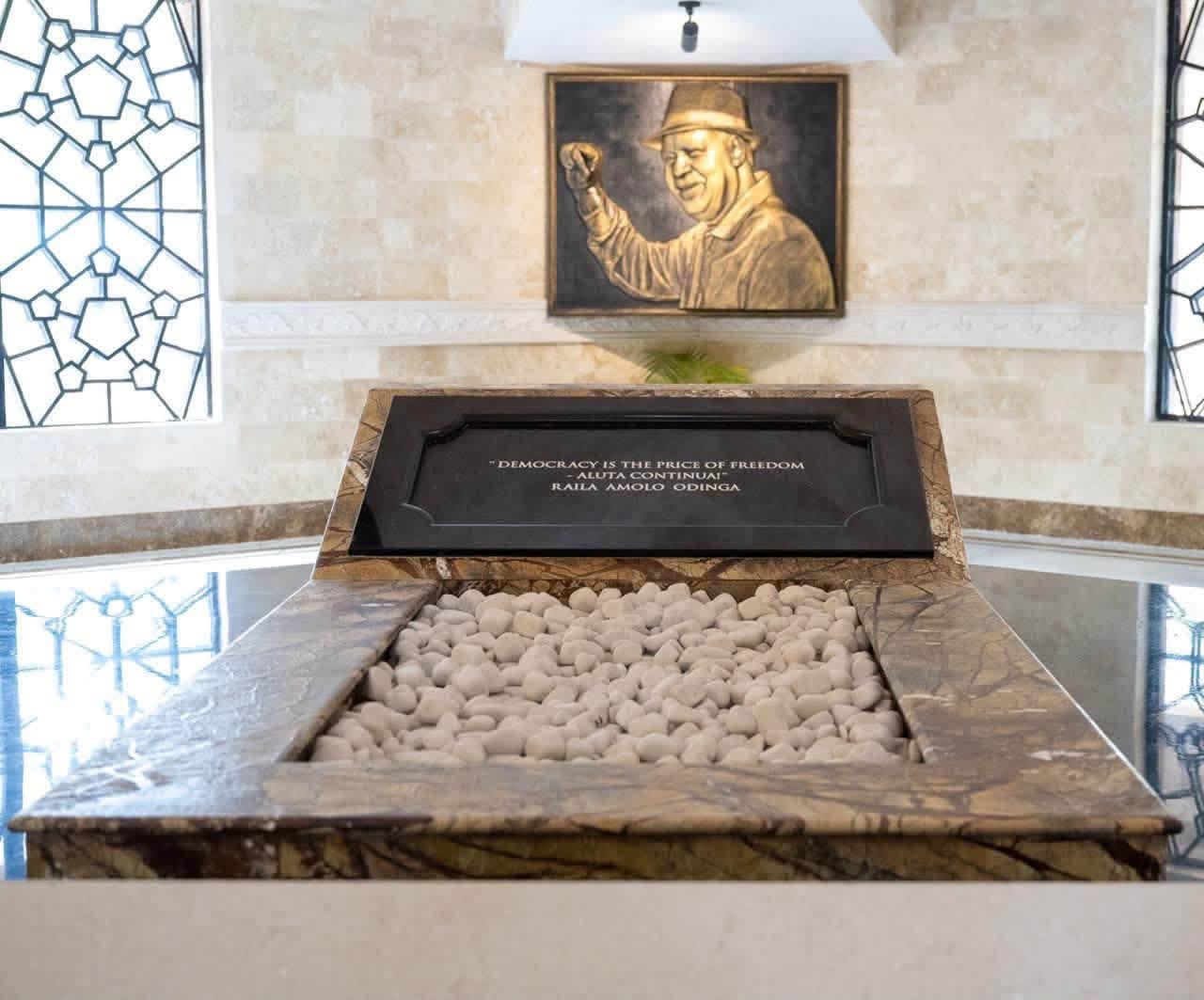
Raila Odinga (2025): Veteran opposition leader and former Prime Minister, honoured with a state funeral that included military honours.
Follow our WhatsApp Channel and X Account for real-time news updates.