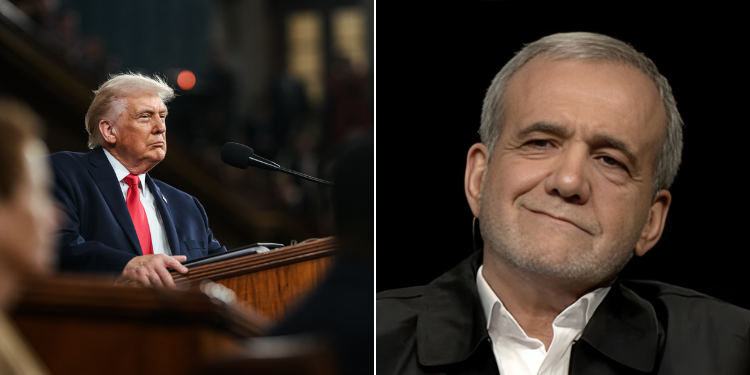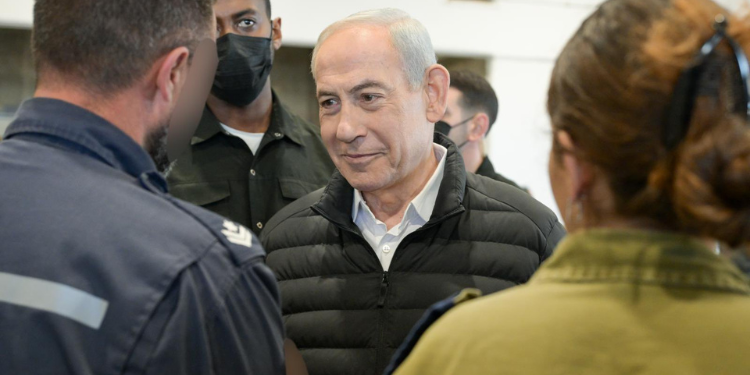
The State Department told U.S. citizens in Iran to leave the country immediately on Wednesday as its airspace partially reopened during a fragile ceasefire with the United States.
The Bureau of Consular Affairs issued the alert after President Donald Trump extended the ceasefire indefinitely on Tuesday. Iran attacked three commercial ships in the Strait of Hormuz on Wednesday, hours after the extension.
The State Department warned that the Iranian government may prevent U.S. citizens from departing or charge an exit fee. Dual American-Iranian nationals must use Iranian passports to leave, since Iran does not recognize dual citizenship and treats them only as Iranian citizens.
“U.S. citizens who do not have a valid U.S. passport in their possession should apply for one at the nearest U.S. embassy or consulate after departing Iran,” the bureau stated.
Risks at Checkpoints and BordersIranian police and security forces operate at roadside checkpoints, sometimes in unmarked vehicles that look like taxis. The alert said this puts Americans at significant risk of questioning, arrest and detention.
“Showing a U.S. passport or demonstrating connections to the United States can be reason enough for Iranian authorities to detain someone,” the State Department said.
Americans can try to leave by land to Armenia, Azerbaijan, Turkey or Turkmenistan. Those entering Armenia need a valid U.S. passport and can stay up to 180 days without a visa.
Also Read: Iran Goes Silent on U.S. Proposal as Trump Team Presses Pakistan for Response
Turkey allows stays of up to 90 days visa-free if the passport remains valid for at least 60 days beyond the planned departure date. The area of Turkey near the Iranian border remains off limits.
Entry to Turkmenistan requires special government approval, arranged through the U.S. Embassy in Ashgabat. Azerbaijan’s land borders are closed to routine traffic, though urgent cases may get approval after delays through the U.S. Embassy in Baku.
Those who stay in Iran should shelter in place, remain indoors and stay away from windows.
Ceasefire Extension and Ongoing BlockadeTrump extended the two-week ceasefire indefinitely on Tuesday. He said the pause would last until Iran submits a proposal and talks conclude. On Wednesday, he indicated the next round of negotiations in Islamabad, Pakistan, could start as soon as Friday.
The U.S. naval blockade in the Strait of Hormuz remains in effect, with U.S. forces ready to strike if needed. Iran seized two ships in the strait on Wednesday and attacked a third, according to reports.
Also Read: Iran Claims Oil Tanker Entered Its Waters Despite US Threats
Iran’s parliament speaker, Mohammed Bagher Qalibaf, said the country would not negotiate under threat.The situation follows weeks of heightened tensions after earlier attacks on shipping and U.S. operations in the region.
Why This Matters
The advisory affects any remaining Americans in Iran at a time when commercial flights are limited and land routes carry their own risks. The partial reopening of airspace offers a narrow window to leave, but Iranian authorities control exits and checkpoints.
The continued U.S. blockade and Iran’s ship attacks show the ceasefire has not eased pressure in the Strait of Hormuz, a key route for global oil shipments. Any further incidents could disrupt travel options and raise the chance of renewed conflict.