A federal judge on Friday, June 5, sided with 20 Democratic states and blocked the Trump administration from imposing new policy conditions on billions of dollars in food assistance funding under the Supplemental Nutrition Assistance Program (SNAP).
The ruling prevents the government from linking SNAP funding to additional requirements involving immigration, gender policy, and other issues.
U.S. District Judge Myong Joun issued a preliminary injunction that stops the Agriculture Department from enforcing the requirements on states receiving money through SNAP, commonly known as food stamps.
Judge Blocks Trump SNAP Funding Conditions
The conditions at the center of the dispute covered several hot-button issues, including restrictions related to “gender ideology,” immigration enforcement, and “fair athletic opportunities” for women and girls.
The states had argued that these demands amounted to unconstitutional overreach by the federal government.
In their lawsuit, the states told the court that the Agriculture Department had thrown up “unconstitutional and unlawful roadblocks” between congressionally created programs and the states that run them.
Why Democratic States Challenged the Restrictions
They warned that the new rules threatened critical nutrition support for families, important agricultural research, and the safety of the nation’s food supply.
Judge Joun granted the temporary block but said he would release a full written explanation of his reasoning in the coming days.
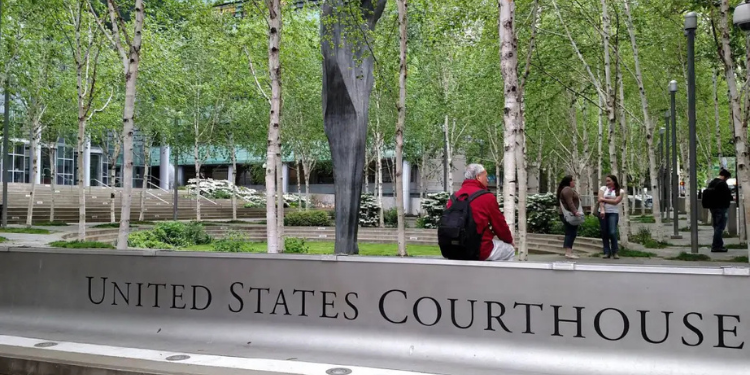
The verdict marks an early win for the states in what is expected to become a longer legal fight. The Trump administration can appeal the decision.
Trump Administration Defends New SNAP Requirements
In court filings, lawyers for the government said the new requirements would promote “sound stewardship of taxpayer dollars,” provide the USDA with better oversight of how the money is spent, and ensure that states follow all applicable federal laws and policies.
SNAP remains one of the largest parts of the country’s social safety net. The program helps roughly 39 million Americans, about one in nine people, buy groceries each month.
Participation dropped sharply over the past year, with preliminary data from the Agriculture Department showing nearly 4.3 million fewer beneficiaries between January 2025 and January 2026.
Also Read: Trump Blames Iran’s Strength and Pride for Stalled Nuclear Talks
Experts point to new work and eligibility requirements in a major tax-and-spending cut bill that Republicans pushed through Congress last summer as the main reason for the decline.
Those earlier changes already tightened access to the program in many states. The latest attempt by the administration sought to add another layer of conditions on top of that.
Lately, there have been tensions between the Trump administration and Democratic-led states over how federal grant money should be used, most of them leading to court battles.
Similar battles have played out in recent years on issues ranging from education funding to public health grants.
States frequently argue that Washington cannot attach unrelated policy demands to money Congress already approved for specific purposes.
SNAP benefits make a direct difference at the grocery store for many families. The average household receives help covering basic food costs, with benefits loaded onto electronic cards each month.
This implies that any disruption in funding or major policy shifts can quickly affect grocery budgets for low-income families, seniors, and working people.
Also Read: Trump Ignores Kenyan Courts, US Citizens to Be Quarantined for 21 Days in Laikipia
The 20 states that sued make up a significant portion of the country’s population and SNAP caseload.
Their attorneys warned that without the court’s intervention, states might have been suddenly squeezed for money, forcing them to agree to the new terms or lose funding for millions of people.
Friday’s ruling is preliminary. It does not decide the entire case but prevents the conditions from taking effect while the lawsuit proceeds.
Meanwhile, SNAP is still drawing attention, with Republicans pushing for firmer work requirements and efforts to reduce what they see as program abuse and dependency.
Democrats, on the other hand, are defending the program as an important tool against hunger that also supports local economies and farmers by increasing food purchases.