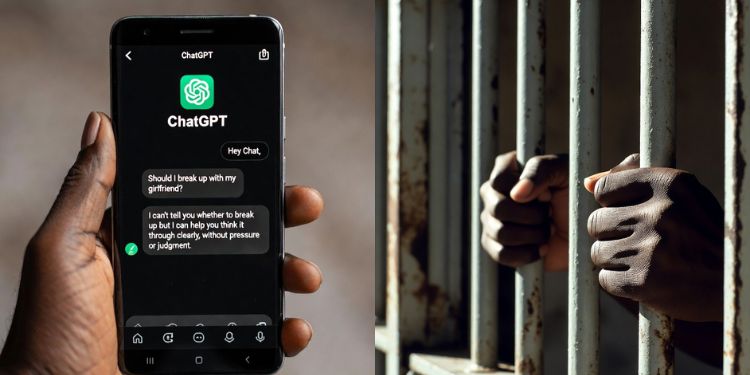
A US federal court ruling has sent a warning to AI users, stating that conversations with chatbots such as ChatGPT and Claude are not protected by attorney-client privilege and can be obtained and used as evidence in court.
According to The Outpost on April 15, the decision was made in February 2026 by US District Judge Jed Rakoff in New York. Lawyers say this is the first clear court ruling stating that conversations with public AI chatbots do not enjoy the same confidentiality as discussions with a real lawyer.
Following the ruling, several US law firms are now advising clients to avoid using AI tools when dealing with legal problems.
The case involved Bradley Heppner, a former senior executive at GWG Holdings, a financial firm that later went bankrupt. Heppner is facing securities fraud charges.
While dealing with his case, Heppner used Anthropic’s AI chatbot, Claude, to help generate written summaries and reports related to the matter. Prosecutors later asked the court to access those AI-generated documents.
Judge Rakoff ordered that 31 documents produced using the chatbot be handed over to prosecutors. He rejected the argument that the materials were protected by the attorney-client privilege.
Why Talking to ChatGPT Is Not the Same as Talking to a Lawyer
In his ruling, Judge Rakoff said there is no attorney‑client relationship between a person and an AI chatbot like ChatGPT, meaning attorney‑client privilege cannot apply.
He explained that AI systems are not licensed lawyers, do not owe users a duty of confidentiality, and clearly state in their terms of service that user data may be shared with third parties, including government authorities.
The judge also pointed to Claude’s own disclaimer: when asked whether it could provide legal advice, the chatbot said it was not a lawyer and advised users to consult a qualified attorney.
Judge Rakoff said this confirmed that conversations with chatbots cannot be treated as confidential legal advice.
Also Read: Truecaller Launches Business Chat Platform for Global Partners
Law Firms Urge Clients to Use AI With Caution
The ruling led to fast reactions across the US legal community. More than a dozen large law firms issued warnings to their clients, cautioning them against using public AI platforms for legal advice or sharing sensitive case details.
“We are telling our clients: You should proceed with caution here,” said Alexandria Gutiérrez Swette, a lawyer at New York-based firm Kobre & Kim.
Some firms have even updated their client contracts. Sher Tremonte, another New York law firm, added language warning that sharing legal advice or attorney communications with an AI chatbot could mean giving up attorney-client privilege.
Lawyers say careless use of AI tools could weaken a person’s legal position in both civil and criminal cases.
Limits of User Privacy Exposed in Court Ruling
Both OpenAI, which runs ChatGPT and Anthropic state in their policies that user inputs may be reviewed, stored, or shared in certain situations. Both companies also say clearly that their tools do not provide legal advice.
During the court proceedings, Judge Rakoff noted that Claude’s terms tell users not to expect privacy when submitting information. He said this lack of guaranteed confidentiality goes against the basic idea behind attorney-client privilege.
Because AI conversations can be accessed by the company running the platform and other third parties, the judge said they cannot reasonably be treated as private legal consultations.
Also Read: Inside KRA New Digital Tax Proposals Targeting ChatGPT, Netflix and Other Tech Giants
Other Courts Have Reached Different Conclusions
On the same day Judge Rakoff issued his decision, a federal magistrate judge in Michigan ruled differently in a separate civil case.
In Warner v. Gilbarco, Inc., Magistrate Judge Anthony Patti decided that a woman representing herself in an employment discrimination case did not have to hand over her ChatGPT conversations.
He treated the chatbot outputs as personal work material, not as information shared with another person, describing AI tools as “tools, not persons.”
A similar decision was made in March 2026 in Morgan v. V2X in Colorado.
However, lawyers point out important differences:
- Those cases were civil cases
- The users were not represented by lawyers
- The decisions focused on work-product rules, not attorney-client privilege
Heppner’s case involved a criminal charge, and he already had a lawyer but still used AI on his own. Lawyers warn that people with legal representation should not assume these limited rulings protect their AI chats.
Why Users Should Think Twice Before Sharing Sensitive Information
Millions of people use AI chatbots like ChatGPT to talk about legal, financial, medical, and personal issues, often believing those conversations are private.
The court made it clear that AI chats may be treated like any information shared with a third party, meaning they can be requested through court orders and legal investigations.
This has renewed debate about how AI companies respond to government requests and how much privacy users truly have when using public AI tools.
As a result, many law firms are advising clients to consider closing or enterprise AI systems, which offer more control over data access and storage.
Even so, lawyers say these systems have not yet been fully tested in court, and no AI platform currently offers legal protection equal to attorney‑client privilege.