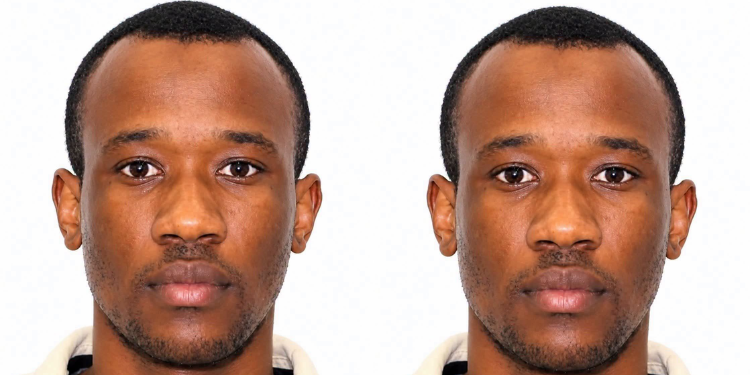
Police in the United States are appealing for help to trace the family of a Kenyan man who died in North Carolina after efforts to locate his next of kin proved unsuccessful.
Henry Mukolwe Macharia, 28, died on September 11 in Spring Lake, North Carolina. According to information released by local authorities, Macharia was born on August 19, 1998, and died of natural causes.
The Spring Lake Police Department has launched a public appeal seeking information that could help identify and contact his relatives. Authorities said attempts to locate family members through available records have not been successful.
The appeal has since been circulated among Kenyan diaspora groups and community networks in the United States as officials continue efforts to reach his loved ones.
Appeal to Locate Henry Mukolwe’s Relatives
Police are asking anyone who knew Henry Mukolwe or has information about his family to come forward.
The Spring Lake Police Department added that locating next of kin is a key part of procedures followed after a death, particularly in cases involving foreign nationals living away from their home countries.
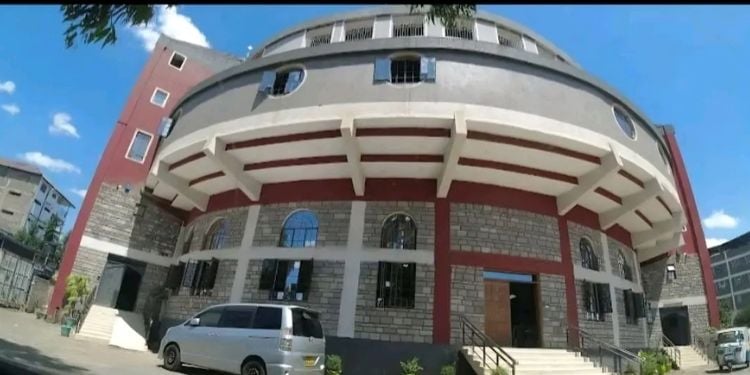
Also Read: Gen Z Youth Occupy Redeemed Gospel Church Buruburu
The search has drawn attention among members of the Kenyan community in North Carolina and other parts of the United States, with individuals sharing the appeal through social media and community platforms.
Officials have not released further details about Macharia’s life in the United States but say the focus remains on establishing contact with his relatives.
What Happens When No Family Is Found?
When a person dies in the United States and no relative can be found, authorities first work to identify the deceased and locate the next of kin.
The exact procedure depends on the state and local authorities.
In North Carolina, the law provides procedures for handling unclaimed remains.
Authorities can arrange the final disposition of the remains when no authorized person is available.
For a Kenyan who dies in the US, relatives can arrange for the body to be repatriated to Kenya once they are located.
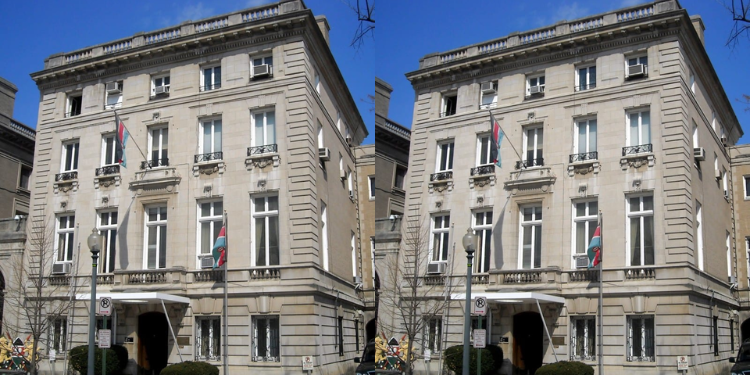
The Kenyan Embassy in Washington requires documents including proof of Kenyan citizenship, a certified death certificate and a US burial or transit permit before issuing a letter of no objection for transportation of the remains to Kenya.
If the deceased has been cremated, the Embassy also has a process for transporting the ashes to Kenya, requiring documents including the death certificate and crematorium certificate.
Rise in Unclaimed Death Cases
Cases involving unclaimed bodies have become a growing concern in the United States, according to researchers and government agencies.
Also Read: Safaricom Launches New System Deducting Money Automatically from M-PESA for Investment
A 2025 analysis by researchers Pamela Prickett and Stefan Timmermans estimated that between 114,000 and 148,000 people a year in the US go unclaimed after death, with the number increasing during and after the Covid-19 pandemic.
The report noted sharp increases in some counties, including a 30 percent rise in Maricopa County, Arizona, while Fulton County, Georgia, oversaw burials for 456 unclaimed bodies in 2021.
The US Department of Justice-backed National Missing and Unidentified Persons System (NamUs) describes unclaimed decedents as identified people whose next of kin cannot be located.
The system assists medical examiners, coroners and law enforcement agencies in tracing relatives and resolving unclaimed person cases across the country.
According to the National Institute of Justice, NamUs serves as a national database for missing, unidentified and unclaimed persons and helps authorities locate next of kin.
The agency reported that more than 61,000 missing, unidentified and unclaimed cases had been resolved through the program since its creation.
Follow our WhatsApp Channel and X Account for real-time news updates.