Kenyans should brace for higher prices and increased pressure on household budgets after the International Monetary Fund (IMF) warned that inflation is set to rise while global economic risks continue to mount.
In its latest World Economic Outlook 2026: Resilience Under Strain, Urgent Choices, the IMF projects Kenya’s inflation to rise to 6.0 per cent in 2026 from 4.1 per cent in 2025.
The lender also forecasts Kenya’s economic growth at 4.5 per cent this year, slightly lower than the 4.6 per cent recorded in 2025.
The IMF says countries such as Kenya are among the most exposed to the current global environment because they rely heavily on imported energy but are not major beneficiaries of the artificial intelligence-driven investment boom supporting growth in advanced economies.
The report warns that energy-importing economies face higher import bills, exchange rate pressures, weaker real incomes and shrinking fiscal space as global inflationary pressures persist.
Rising Inflation Risks
The warning comes as global inflation is projected to accelerate to 4.7 per cent in 2026 from 4.1 per cent in 2025, driven mainly by higher energy and food prices.
Global oil prices are expected to average $95.74 per barrel this year, up sharply from $67.74 in 2025. Food prices are also projected to rise by 5%.
Also Read: Murkomen Reveals New System Set to Change How Kenyans Register Births
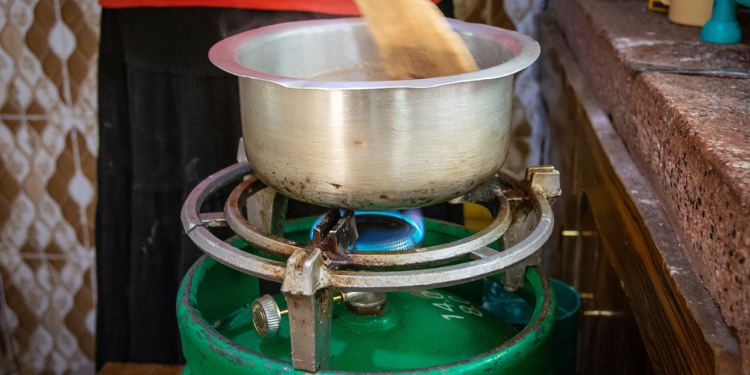
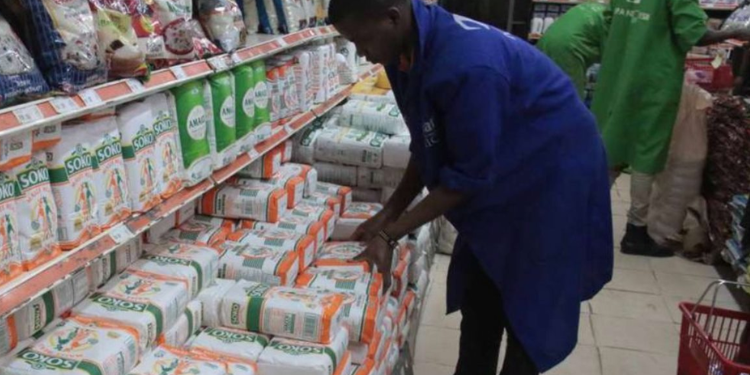
According to the IMF, higher fuel, transport, and food costs could hit low-income households particularly hard, especially in developing economies where households spend a larger share of income on basic necessities.
“Energy-importing economies outside the technology value chain face the most difficult outlook,” IMF stated.
For Kenya, the outlook also points to growing pressure on the country’s external position.
The IMF forecasts Kenya’s current account deficit will widen to 4.5 per cent of GDP in 2026, from 2.8 per cent in 2025, indicating increased demand for foreign currency to finance imports.
The report notes that countries dependent on imported energy remain vulnerable to further disruptions in global supply chains, geopolitical tensions and rising commodity prices, all of which could push inflation even higher.
Kenya’s Vulnerabilities Exposed by IMF
The IMF singled out energy-importing economies as facing the most difficult outlook in the current global environment.
It said such countries are grappling with higher import costs, pressure on local currencies, weaker household purchasing power and fewer growth-supporting factors than economies benefiting from technology-driven investment.
The lender further warned that prolonged global conflicts, extreme weather events, and new supply disruptions could worsen food and fuel prices, increase poverty, and put additional pressure on vulnerable households.
Despite the challenges, the IMF expects Sub-Saharan Africa’s economy to expand by 4.5 pr cent in both 2026 and 2027, supported by reforms and improving macroeconomic stability in some countries.
Also Read: CBK Reserves Fall as Dollar Extends Winning Streak Against Shilling
However, it cautioned that oil-importing economies in the region remain more exposed to high food and energy prices.
The IMF urged governments to rebuild fiscal buffers, maintain price stability and protect vulnerable households through targeted support as inflationary pressures return across much of the global economy.
Fiscal Pressures Mount
The IMF warned that governments face shrinking fiscal space as inflationary pressures and external shocks strain public finances.
The report said policymakers must rebuild fiscal buffers and create room to respond to future disruptions through stronger revenue measures and prudent budgeting.
It noted that fiscal vulnerabilities remain a key downside risk to the global economy, with countries facing increasing pressure to maintain stability while managing higher costs.
“Risks are tilted to the downside, including from fiscal vulnerabilities,” the lender added.
The Fund urged governments to preserve monetary and financial stability, strengthen economic resilience and improve their ability to respond to shocks amid growing global uncertainty and rising inflation.
Follow our WhatsApp Channel and X Account for real-time news updates.