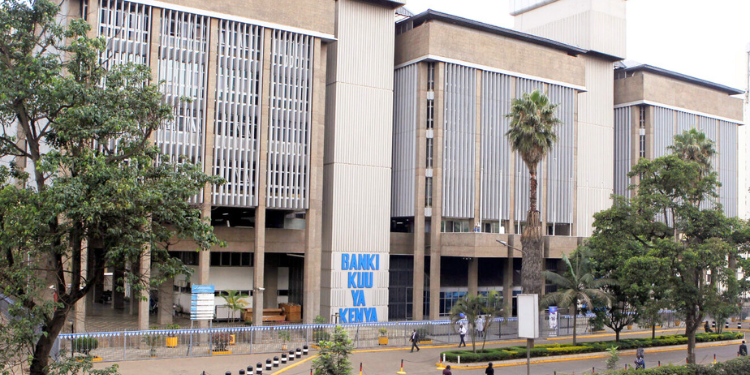

The Kenya shilling weakened further against the US dollar during the week ending October 8 as the Central Bank of Kenya’s (CBK) foreign exchange reserves declined and the dollar continued gaining strength globally.
CBK data showed the shilling traded at Ksh129.94 per US dollar on October 8, up from Ksh129.71 on October 1.
The bank’s daily exchange rates also placed the local currency at Ksh129.91 against the dollar on October 9.
At the same time, foreign exchange reserves fell to USD 14.74 billion from USD 14.93 billion a week earlier.
Reserves were equivalent to 5.9 months of import cover, down from 6.1 months.
Despite the decline, CBK said the reserve position remained adequate and above the statutory requirement of maintaining at least four months of import cover.
Kenya Shilling Extends Slide
The latest movement marks another week of losses for the Kenya shilling as the currency edged closer to the KSh130 mark.
According to CBK, the shilling remained stable against major international and regional currencies during the review period.
Also Read: Dangote Shares Entry Cost Slashed to KSh535 Ahead of Deadline
However, exchange rate data showed a gradual weakening trend throughout the week, with the unit moving from Ksh129.76 on October 2 to KSh129.94 on October 8.
The sterling pound exchanged at Ksh172.04 on October 9, while the euro traded at Ksh145.92. The Japanese yen exchanged at Ksh82.18 per 100 units.
The Ugandan shilling, Tanzanian shilling, Rwandan franc, and South African rand also traded lower against the Kenyan Shilling.
However, the weakening came as the US Dollar Index strengthened during the week, due to increased demand for the greenback in global markets.
CBK noted that the index rose by 0.20 percent during the week ending October 8.
Dollar Strengthens Globally
The stronger dollar emerged against the backdrop of rising inflation concerns in major economies and elevated energy prices linked to ongoing tensions in the Middle East.
CBK said inflation in the euro area climbed to 3.8 percent in September from 3.2 percent in August, largely due to higher energy prices.
In the United States, the unemployment rate edged up to 4.2 percent in September from 4.1 percent a month earlier.
Meanwhile, Murban crude oil prices jumped to USD 101.67 per barrel on October 8 from USD 95.76 on October 1 due to supply concerns associated with geopolitical tensions in the Middle East.
The Monetary Policy Committee maintained the Central Bank Rate at 8.75 percent at its October 7 meeting, noting that inflation is expected to remain within the target range and that the current policy stance remains appropriate to maintain price and exchange rate stability.
CBK also said private sector credit growth remained strong, reflecting improved demand across key sectors of the economy.
Also Read: 4 Counties to Benefit as Govt Approves KSh1.1 Billion to Deliver 100,000 Electric Cookers
The bank added that it would continue monitoring developments in global oil prices and other risks that could affect inflation and economic growth.
Federal Reserve Minutes Point to Higher Rates
The US dollar continued to draw support after minutes released by the Federal Reserve showed that most policymakers viewed another interest rate increase as likely before the end of 2026.
The minutes indicated that officials remained concerned about inflation and noted that higher energy prices could further threaten price stability.
Most policymakers said an additional rate hike would likely be appropriate before year-end, although future decisions would depend on incoming economic data.
Higher US interest rates generally make dollar-denominated assets more attractive to investors, helping support demand for the greenback against other currencies, including the Kenya shilling.
Follow our WhatsApp Channel and X Account for real-time news updates.