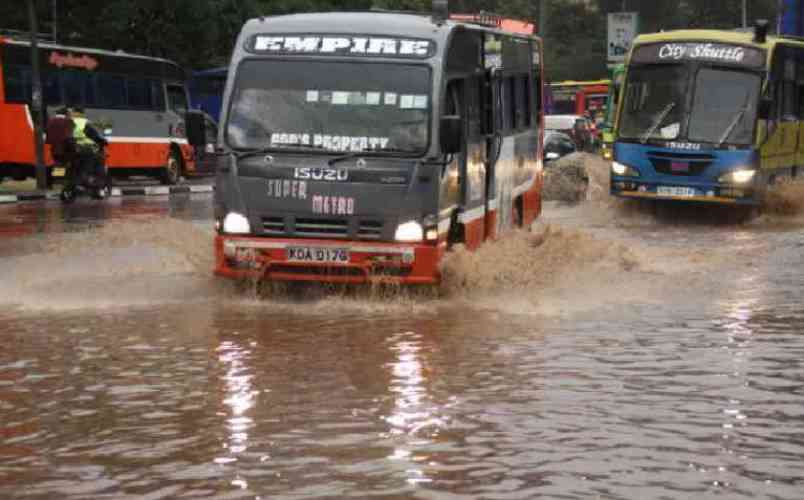
The government has moved to address growing public confusion over El Niño, insisting that the climate phenomenon does not automatically result in heavy rainfall in Kenya.
The clarification comes amid ongoing discussions about the current October-December rainy season and public expectations that the El Niño event would directly trigger above-normal rainfall across the country.
Officials from the Kenya Meteorological Services Authority (KMSA) said many Kenyans continue to associate El Niño solely with heavy rains, a misconception they argue has persisted since the phenomenon first entered public discourse during the devastating 1997 floods.
According to KMSA, El Niño has been present since the April-May-June period this year after global climate monitoring systems confirmed that the required thresholds had been met.
The authority said the phenomenon had already influenced weather patterns in Kenya before the onset of the short rains, contributing to dry conditions that led to crop failure in parts of the North Rift region.
The agency added that discussions on the phenomenon should be guided by science and data rather than popular assumptions.
El Niño Not the Same as Rainfall
Meteorologists explained that El Niño refers to unusually warm ocean temperatures in the tropical Pacific Ocean and should not be confused with rainfall itself.
Also Read: IEBC Faces Court Challenge Over Changes to Ballot Paper Security Ahead of 2027 Polls
According to KMSA, the strength of an El Niño event does not directly determine the amount of rain Kenya receives. Instead, rainfall outcomes depend on how the phenomenon interacts with other climate drivers, including conditions in the Indian Ocean, wind patterns, weather systems and local factors.
The agency noted that while El Niño can enhance rainfall, this only happens when other weather conditions are favourable.
“People should stop believing that El Niño is rainfall,” the authority said.
KMSA said the current event could increase rainfall from October onwards, but only if other climate indicators remain supportive.
The authority also pointed to its October monthly forecast, saying it accurately projected rainfall onset dates that are currently being observed in different parts of the country.
History of El Niño in Kenya
KMSA further sought to place the current event in historical context, noting that Kenya has experienced several El Niño episodes since the late 1990s.
According to the authority, after the widely remembered 1997 event, the country recorded additional El Niño conditions in 2002, 2004, 2006, 2009, 2015, 2018 and 2023, making the current episode the eighth since many Kenyans first became familiar with the term.
KMSA said public education remains a key part of the agency’s work, arguing that forums and public engagements have helped improve understanding of how the climate phenomenon affects weather patterns.
Also Read: 21 Kenyan Free-to-Air TV Stations on the Brink of Shutdown
While acknowledging that communication can still be improved, KMSA defended its public awareness efforts and stressed that forecasts should be interpreted using scientific evidence.
The authority said it will continue conducting public education campaigns to help Kenyans better understand the relationship between El Niño and rainfall and avoid equating the two.
The agency said it would continue sharing information based on scientific observations and ongoing climate monitoring.
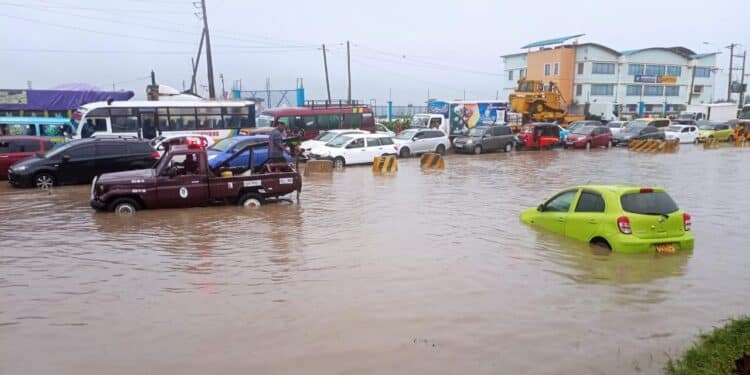
Public concern over El Niño is largely driven by memories of past flood disasters.
During the 2023 El Niño-enhanced rains, more than half a million people were displaced, farmland was destroyed, livestock perished, and key infrastructure, including roads and public facilities, suffered extensive damage.
Such experiences have led many Kenyans to associate every El Niño forecast with devastating floods, even as meteorologists maintain that the phenomenon does not automatically translate into heavy rainfall.
Follow our WhatsApp Channel and X Account for real-time news updates.