Kenya has clarified the country’s position on working with the International Criminal Court (ICC).
According to the Kenyan government, the court needs urgent reforms, rejecting sanctions as the solution to concerns over the court’s mandate and alleged selectivity by the United States of America.
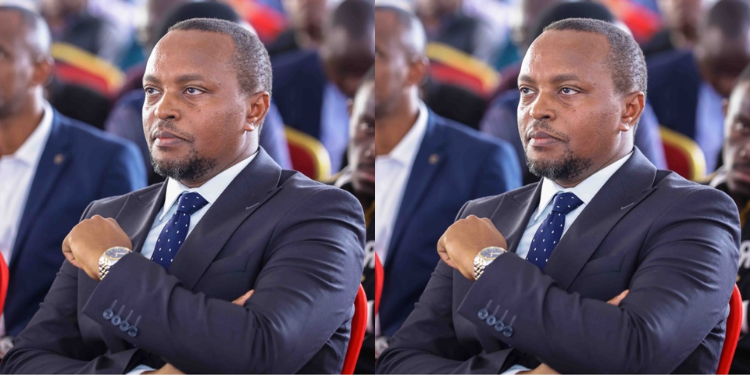
Foreign Affairs Principal Secretary Korir Sing’Oei on October 10 affirmed that Kenya would continue working with States Parties to reform the court, amid renewed international debate over the ICC’s jurisdiction.
“The ICC deserves serious criticism for failing to live up to the mandate and expectations for which it was established and for being selective in its focus. What it needs is urgent reform. Not sanctions. Kenya will continue to work with State Parties to reform the court,” Korir Sing’Oei explained.
Clarification from the Kenyan government follows the United States’ announcement to sanction the activities of the court.
US Imposes Sanctions on ICC
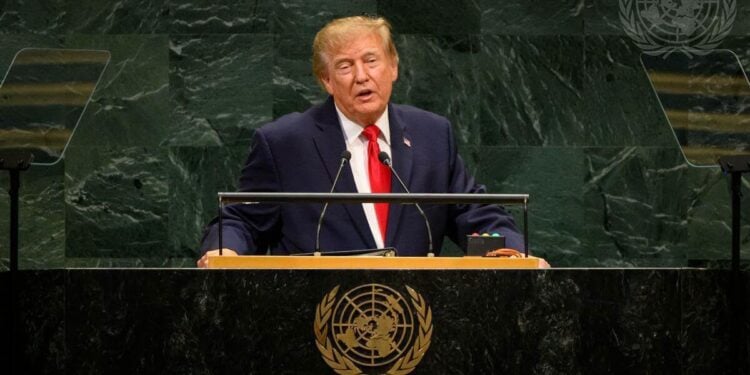
US Secretary of State Marco Rubio announced on October 9, 2026, that the US government was imposing sanctions on the ICC.
According to Rubio, the institution was threatening American sovereignty and seeking to exercise jurisdiction over US citizens, military personnel, and political leaders.
Rubio argued that the United States had never joined the court and should not be subjected to its authority.
He alleged that the ICC was seeking greater powers to prosecute Americans, including military personnel involved in national Defence, Border Patrol agents, and elected leaders responsible for national security.
“President Trump will never allow the International Criminal Court to prosecute Americans. And that’s why today, the United States is sanctioning the International Criminal Court. We will ban transactions with this rogue court, cutting off their resources and crippling their ability to operate against us, because our message is clear,” Rubio said.
The US secretary of state said the sanctions would restrict transactions with the court, cut off resources and weaken its ability to operate against American interests.
Rubio also warned that Washington would continue its campaign to dismantle the institution if it believed the ICC continued to threaten Americans.
He called on US allies, including ICC members and those who rely on American military personnel for their defense, to help rein in the court.
Also Read: Govt Officers Linked to Scheme Recruiting Kenyans for Russia War
US Allies Oppose Sanctions
The United Kingdom, Canada, Denmark, France, Germany, Italy, Japan and the Netherlands jointly opposed the US sanctions and reaffirmed their support for the court’s independence, impartiality and integrity.
In their joint response, the eight countries warned that sanctions against the court could undermine its work and affect its staff, operations and ability to pursue accountability for serious international crimes.
“We, the undersigned States Parties to the Rome Statute of the International Criminal Court (ICC), reaffirm our continued and unwavering support for the independence, impartiality, and integrity of the ICC,” part of the joint statement issued on October 9 read.
Also Read: Thousands of Kenyans Face Uncertainty as Trump Halts Immigrant Visa Processing
International Criminal Court and Kenyan History
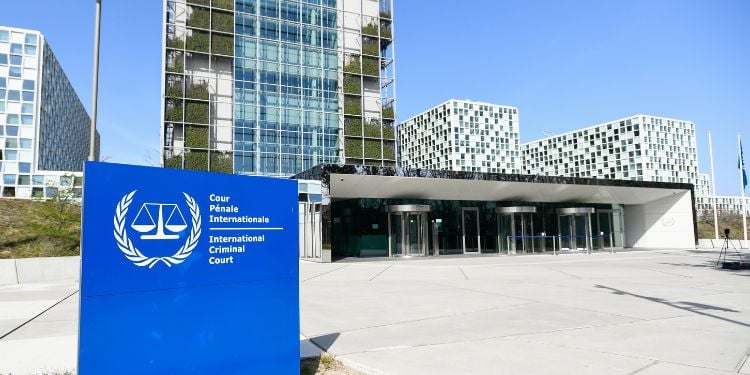
The ICC is a permanent international court established under the Rome Statute, which entered into force in 2002.
Among its mandates is to investigate and prosecute individuals accused of genocide, crimes against humanity, war crimes and the crime of aggression, subject to the court’s jurisdictional requirements.
Kenya has a history with the ICC following the violence that erupted after the disputed December 2007 General Election.
The post-election violence left more than 1,000 people dead and displaced hundreds of thousands, while thousands more suffered injuries.
Kenya ratified the Rome Statute on March 15, 2005, accepting the court’s jurisdiction over crimes covered by the treaty within the applicable legal conditions.
In March 2010, ICC judges authorized an investigation into alleged crimes against humanity committed during the post-election violence.
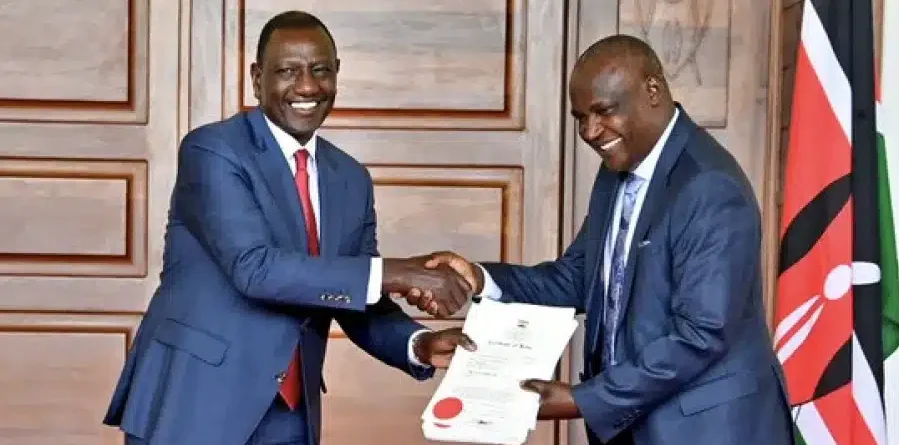
The investigation produced cases involving several prominent Kenyan figures, including former President Uhuru Kenyatta, current President William Ruto, former Cabinet Secretary Francis Muthaura and broadcaster Joshua Arap Sang.
Follow our WhatsApp Channel and X Account for real-time news updates.