Several counties across Kenya are expected to receive rainfall over the next seven days, with isolated storms also possible in parts of the country, according to the Kenya Meteorological Service Authority (KMSA) forecast covering October 9 to 16.
In its weekly rainfall forecast on October 10, the department listed Mandera, Wajir, Marsabit, Garissa and Tana River among the areas expected to receive rain.
Coastal counties, including Lamu, Kilifi, Mombasa and Kwale, are also expected to experience rainfall during the forecast period.
The outlook also indicates rainfall in Western Kenya, Nyanza, the Rift Valley, and parts of Central Kenya.
“Rainfall is expected across Mandera, Wajir, Marsabit, Garissa, Tana River, Lamu, Kilifi, Mombasa, Kwale, Western, Nyanza, Rift Valley and parts of Central Kenya over the next seven days,” states the forecast.
Kenya Met also listed Kitui, Makueni, Kajiado, Narok and Nairobi among the areas expected to receive rainfall, warning that isolated storms may occur.
The department noted that rainfall distribution would vary across counties, meaning the amount and location of rainfall could differ from one area to another.
Residents in the affected areas have been advised to remain alert and follow official weather updates for changes in the forecast.
Also Read: Kenya Met Reveals When Above-Normal October-December Rains Will Start and End Across Counties
Kenya Met Issues Safety Guidelines as OND Rains Continue
As Kenya enters the October–December (OND) rainy season, the Kenya Meteorological Service Authority (KMSA) has urged residents to take precautions following a storm that struck Kisumu East on October 8.
In a statement on October 8, the Kenya Meteorological Service Authority (KMSA) urged the public to stay alert to changing weather conditions and regularly check official forecasts and warnings as the rainy season continues.
The agency cautioned residents against seeking shelter beneath trees during thunderstorms and advised motorists and pedestrians to avoid flooded roads, waterways and low-lying areas where water may accumulate or flow rapidly.
KMSA also urged Kenyans to avoid outdoor activities during heavy storms to reduce the risk of injury from lightning, strong winds and flying debris.
“Heavy storms were experienced in Kisumu East on the afternoon of 8 October 2026,” read part of the advisory, which reminded residents to remain vigilant and take necessary precautions throughout the rainfall season.
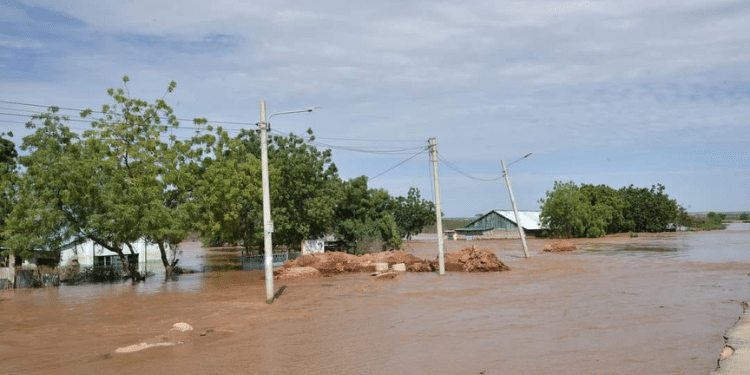
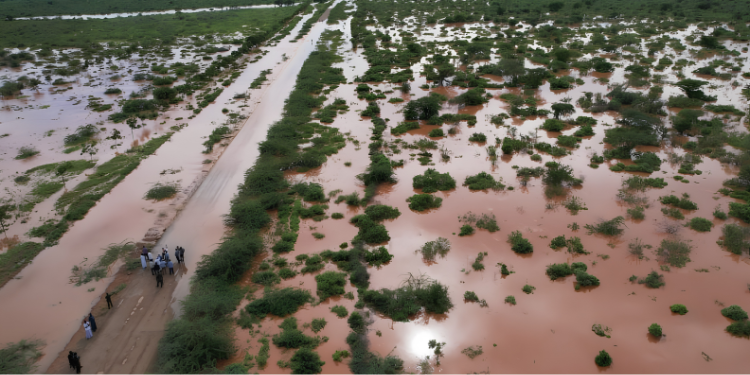
The agency warned that heavy rains could cause flash floods and urged residents to avoid crossing flooded roads or walking through moving water.
People living in landslide-prone areas were advised to watch for signs of soil movement and falling rocks, which could indicate an increased risk of landslides following prolonged or heavy rainfall.
KMSA also urged property owners to secure loose roofing materials and inspect buildings for weaknesses, while advising residents to keep away from unstable structures and windows during thunderstorms.
Also Read: Kenya Met Lists Nairobi Among Counties Set To Receive Rainfall Next Week
WMO Warns El Niño Could Be Among Strongest Since 1950
The World Meteorological Organisation (WMO) has warned that the ongoing El Niño event could become one of the strongest recorded since 1950, with the phenomenon expected to influence weather patterns around the world through early 2027.
In a statement issued on October 8, the United Nations weather agency said sea-surface temperatures in the central and eastern tropical Pacific Ocean were forecast to reach exceptionally high levels during the October–November–December period.
WMO expects El Niño to peak in December, bringing changes in rainfall and temperatures, with some regions likely to receive heavy rain while others experience drier conditions.
WMO Secretary-General Celeste Saulo said the phenomenon was strengthening rapidly and was expected to persist for several months.
“El Niño is firmly established and strengthening rapidly. WMO forecasts indicate a near-100 per cent likelihood that it will persist through February 2027, potentially being one of the strongest since at least 1950,” Saulo said.
El Niño occurs when sea-surface temperatures in the central and eastern Pacific Ocean rise above normal, affecting rainfall and temperatures in different parts of the world.
Follow our WhatsApp Channel and X Account for real-time news updates.