The Kenya Revenue Authority (KRA) has unveiled changes to its cargo surveillance framework.
In a notice dated January 30, 2026, KRA announced a transition to a Multi-Vendor, User-Owned Electronic Cargo Tracking Seals model, further strengthening a system that links Kenya’s trade movements with the wider East African Community. The move is part of ongoing improvements to cargo monitoring under the Regional Electronic Cargo Tracking System (RECTS).
KRA said the move builds on its evolution from physical customs escorts to tamper-proof seals, multi-vendor seals, and ultimately RECTS—a web-based system integrated across the East African Community to monitor export and transit cargo using electronic seals.
According to KRA, RECTS has helped reduce cargo clearance times, enhance security, and improve accountability.
“To further enhance service delivery under RECTS, and in response to evolving business dynamics, technological advancements, and increased demand, KRA is aligning its cargo monitoring processes with current operational realities.”
Also Read: KRA Announces Date Nil Tax Filings Will be Restored After Suspension
The new model will apply to both dry cargo (e-seals) and wet cargo (e-fuel seals) and is aimed at addressing challenges such as seal availability and turnaround times, while aligning cargo monitoring with current business and technological realities.
KRA has invited stakeholders and electronic tracking seal vendors to participate in a public engagement process. A virtual sensitization meeting will be held on Wednesday, February 4, 2026.
Submissions, enquiries, or memoranda may be sent to [email protected] or delivered to the Commissioner of Customs and Border Control within two weeks. Further details are available on the KRA website.
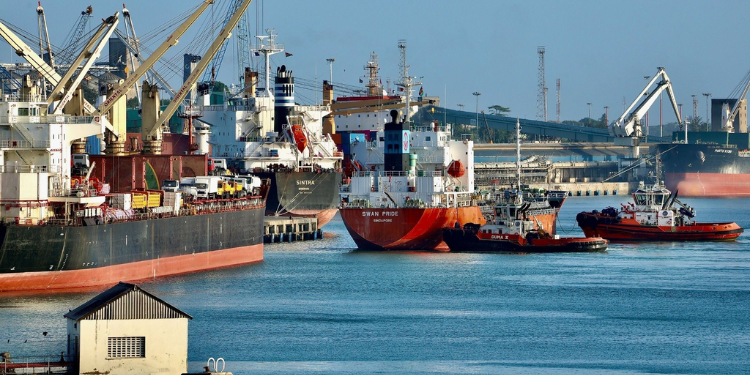
This comes after KRA, working jointly with the Kenya Ports Authority (KPA) and key port stakeholders, rolled out a raft of reforms aimed at decongesting the Port of Mombasa, reducing cargo dwell time, and accelerating clearance through a technology-driven and results-oriented approach.
Reforms to decongest Port of Mombasa
Speaking during the announcement, KRA Commissioner-General Humphrey Wattanga said the measures mark a strategic shift toward a more predictable, efficient, and digitally enabled port ecosystem to support trade facilitation and economic growth, describing the Port of Mombasa as a critical national and regional gateway.
Also Read: KRA and Kenya Ports Authority Launch Major Reforms to Decongest Mombasa Port
KPA Managing Director Captain William Ruto reaffirmed the Authority’s commitment to the reforms, noting that efficiency at the port is a shared responsibility and that the changes will unlock capacity, improve operational flow, and strengthen Mombasa’s competitiveness.
Among the agreed measures is the evacuation of long-stay cargo earmarked for auction or destruction to designated container freight stations, starting with consignments that have stayed at the port for more than 21 days, to quickly free up yard space.
“KPA has committed to dedicating adequate infrastructure and operational resources to support transhipment activities at Lamu. To address inefficiencies in the handling of empty containers, KPA has allocated a dedicated site within the port for stacking and loading empty units,” KRA said in a statement.
KRA will also expand pre-arrival processing, prioritising bulk cargo, low-risk shipments, and consignments from authorised economic operators to reduce clearance times.
A new industry framework on empty container management took effect from January 26, 2026, and is expected to improve coordination and turnaround times.
The reforms will be supported by deeper integration of digital systems to eliminate multiple documentation requirements, reduce manual processes, and enhance operational efficiency.
To address persistent shortages of RECTS seals, KRA announced plans to introduce a multi-vendor model and to deploy more personnel and deepen digital systems integration.
Follow our WhatsApp Channel and X Account for real-time news updates.