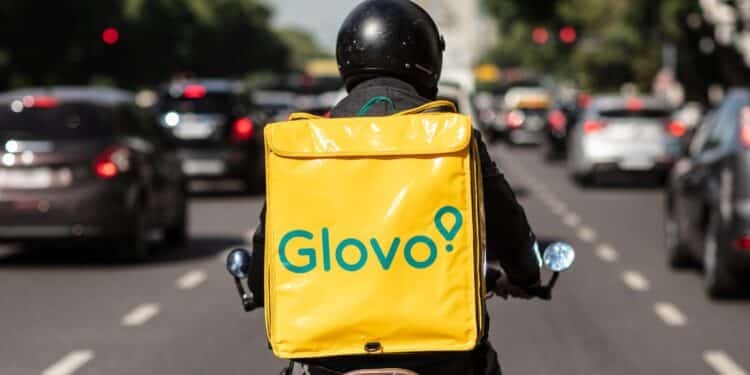
The Kenyan Parliament is considering new laws to regulate Kenya’s gig economy, a move aimed at balancing worker protections with the flexibility that riders and digital platform workers depend on.
National Assembly’s Committee on Communication, Information, and Innovation and representatives of the digital commerce platform Glovo Kenya discussed the proposed gig economy regulations on June 24, which aim to introduce, among other changes, recognition of delivery riders as employees.
Appearing before the Committee, Glovo representatives warned that proposals to classify riders as employees could undermine the flexible work arrangements that many platform workers and businesses currently rely on.
“We need to redefine labor within the platform economy to offer more clarity on the industry,” Glovo officials told the committee.
The discussions come amid growing local and global debate over the legal status of platform workers, including delivery riders and other gig economy participants.
Parliament Reviews Platform Economy
The committee, chaired by Dagoretti South MP John Kiarie, signaled that Parliament intends to review the operations of digital platform companies.
Further, Kiarie noted that the platform economy extends beyond food delivery services and includes thousands of young Kenyans engaged in technology-enabled work such as digital services, innovation, and data processing.
However, he clarified that lawmakers are expected to gather views from industry stakeholders before proposing a legal framework to govern platform-based businesses and workers.
Also Read: Kenya Parliament Approves National Cybersecurity Agency to Boost Digital Security
Glovo Warns Against Restrictive Reforms
Glovo Kenya Country General Manager Caroline Mutuku argued that Kenya’s digital economy has created significant opportunities for riders, small businesses, and technology professionals.
According to the General Manager, Glovo has more than 2,500 riders who actively use its platform daily.
In addition, over 6,000 merchants, the majority of whom are micro, small, and medium-sized enterprises (MSMEs), depend on the Glovo platform to reach customers.
Mutuku explained that regulation should protect workers without limiting the independence that many riders value.
“Kenya has become one of Africa’s most important digital economy hubs. We believe it is possible to strengthen social protections for riders while preserving the flexibility and independence many of them value,” Glovo Kenya Country General Manager Caroline Mutuku stated.
Further, Mutuku added that many riders use the platform to supplement their income, support their studies, or work across multiple delivery applications simultaneously.
Also Read: Parliament Slashes Executive Budget as National Assembly Adopts Revised 2026/27 Estimates
Development of Glovo in the Gig Economy
According to the Glovo company manager, the company has generated more than KSh20 billion in economic value for local businesses since entering the Kenyan market in 2019. It plans to invest Sh10 billion in the country by 2030.
Glovo Kenya currently hosts a 24-hour operations hub serving all 22 markets where the company operates.
Further, the Nairobi-based center handles rider verification, customer support, and multilingual services in Spanish, French, Italian, Arabic, and other international markets.
Parliament is expected to receive stakeholder submissions and review the future legal and regulatory framework for platform-based businesses, workers, and the wider digital economy.
Follow our WhatsApp Channel and X Account for real-time news updates.