
Members of Parliament have approved major changes to the 2026/27 budget, shifting billions of shillings to security agencies while cutting funding to key economic sectors, including the National Treasury, roads and tourism.
The changes are contained in the Budget and Appropriations Committee report adopted by the National Assembly, setting the stage for final approval of the country’s spending plan for the next financial year 2026/2027.
The report shows that security has emerged as the top priority in the revised budget.
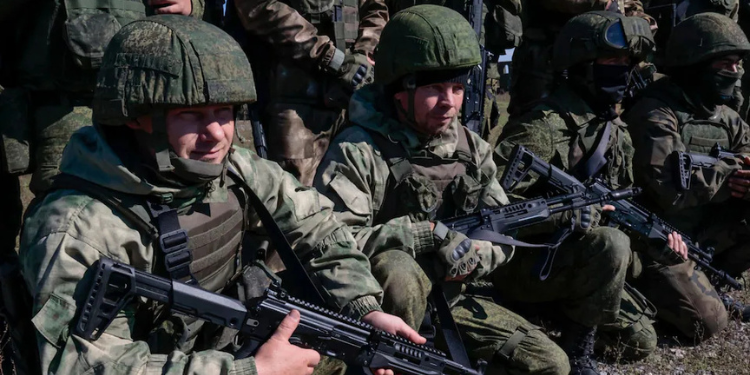
Internal Security received the largest increase, gaining an extra Ksh8.48 billion above the initial proposal by the National Treasury.
The National Intelligence Service (NIS) follows, with an additional Ksh5.47 billion, pushing more money into the security sector.
Other sectors that gained from the reallocation include water and sanitation, which has been allocated an additional Ksh4.89 billion, while the energy sector will receive an additional Ksh4.25 billion. Irrigation has also been boosted by Ksh4 billion.
Defense funding has increased by Ksh2.13 billion, while the National Land Commission will get an extra Ksh1.91 billion. Medical services have been allocated an additional Ksh1.68 billion.
The Teachers Service Commission (TSC) and basic education budgets have been increased by Ksh1.6 billion and Ksh1.22 billion respectively.
Smaller increases were also recorded in other areas, including Ksh408.7 million for the National Police Service and Ksh345 million for the Executive Office of the President.
Key Sectors Lose Funds
The increased spending has been offset by deep cuts in several sectors, with the National Treasury recording the biggest reduction of Ksh9.59 billion.
Also Read: How to Send Money Internationally: Cheapest Methods in 2026
The State Department for Roads has been cut by Ksh6.09 billion, a move that could slow down ongoing road projects.
The tourism sector has also lost Ksh6.01 billion, dealing a setback to efforts to grow the industry.
Funding for arid and semi-arid lands and regional development programs has been reduced by Ksh3.46 billion, affecting areas that depend heavily on government support.
Other cuts include Ksh2.76 billion from culture and heritage, Ksh899 million from cooperatives, and Ksh755 million from investment and asset management.
The industry sector has been reduced by Ksh480 million, while petroleum funding has been cut by Ksh350 million.
The Office of the Auditor General has also been reduced by Ksh303 million.
The adjustments reflect a shift in priorities as Parliament reallocates limited resources across competing needs.
Budget Totals and Spending Outlook
The revised budget sets recurrent expenditure at Ksh2.08 trillion, while development spending stands at Ksh851.2 billion.
Also Read: How Kenyans Should Prepare for El Niño 2026: Essential Tips to Stay Safe from Floods and Heavy Rains
Total revenue projections for the financial year have been placed at Ksh3.63 trillion.
Parliament has been allocated Ksh50.98 billion, while the Judiciary will receive Ksh30.38 billion.
At the same time, the Budget and Appropriations Committee has issued timelines for key reviews by the National Treasury.
The Treasury has been given until September 30, 2026, to review the Petroleum Development Levy and its use in stabilizing fuel prices.
The review is expected to outline clear rules on how the fund is spent and improve transparency in its use.
In addition, the Treasury has until December 30, 2026, to complete an audit and reconciliation of Value Added Tax issues linked to the Lake Turkana Wind Power project.
The process will include verification of legal issues and assessment of any potential financial exposure.
The adoption of the committee report clears the way for the final approval of the budget, with the new allocations now set to guide government spending for the 2026/27 financial year.
Follow our WhatsApp Channel and X Account for real-time news updates.