On June 2, 2026, the World Meteorological Organization (WMO) and the Kenya Meteorological Department issued an alert stating that El Niño is likely to develop later this year.
The WMO reported a high probability that El Niño conditions would develop between June and August and possibly persist through the latter part of the year.
The Kenya Meteorological Department earlier issued a statement on a possible El Niño signal for 2026, noting that the phenomenon would likely have the greatest influence during October-November-December, which coincides with the short rains season.
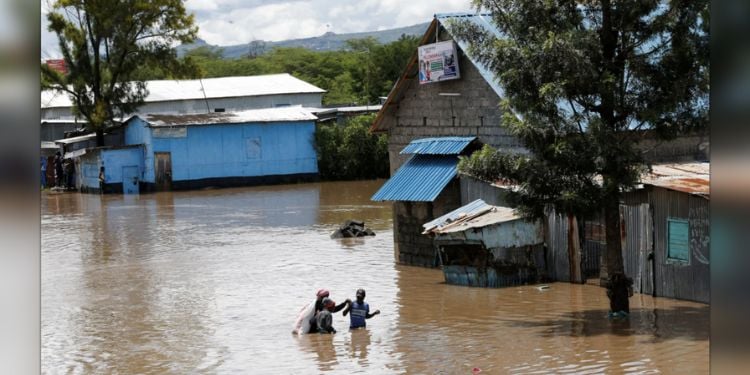
Historically, El Niño events have been associated with above-normal rainfall in Kenya, leading to flooding, family displacement, infrastructure damage, and crop and livestock losses.
These areas include the Lake Victoria Basin, the Rift Valley, Nairobi County, the South-eastern Lowlands, the Coastal region of the country, and North-eastern Kenya.
Full List of High-Risk Areas
Areas that are prone to flooding include the Tana River Basin, Budalang’i in Busia County, the Kano Plains in Kisumu County, and areas along the major rivers, including Nairobi, Garissa, Lamu, Mombasa, Kilifi, and Kwale counties.
These areas are regularly mentioned in reports on the flood situation in Kenya and in seasonal weather advisories, and in the past, have been affected by floods several times, leading to massive losses of lives and property.
Locations that were mostly affected by the 1997-98 El Niño floods in Kenya were also heavily affected in 2023 and 2024, making this prediction very likely.
Also Read: Nairobi City County Implements Emergency Measures Amid Heavy Rainfall
Locations that are likely to be affected by floods in Kenya include:
Tana River County
It is prone to flooding because the Tana River can overflow its banks during intense rainfall over the catchment area.
This puts homes, schools, roads, and farms in the counties of Tana River, Garissa, and Lamu at risk of flooding.
Budalang’i in Busia County
Budalang’i is known to be prone to flooding as it lies close to River Nzoia.
When heavy rainfall happens in western Kenya or in the upstream areas, the river swells and flows over its banks and floods homes, schools, and agricultural land.
Kano Plains, Kisumu County
The Kano Plains are regularly mentioned in weather advisories, including seasonal ones, because of their flat terrain and its also very close to Lake Victoria.
When rivers that flow into Lake Victoria receive excess rainfall, they swell and overflow onto floodplains.
Nairobi’s River Corridors and Low-Lying Settlements including CBD
Some areas in Nairobi are at high risk of flash floods, especially those near river corridors and drainage channels.
Settlements in Mathare, Mukuru, and Kibra have repeatedly flooded during intense rainfall.
The CBD is also low-lying with a poor drainage system and has flooded several times over the past.
Coastal Counties
Mombasa, Kilifi, Kwale, and Lamu counties are all prone to flooding during heavy rain.
Low-lying urban areas face waterlogging and transport issues when their drainage systems can’t handle the excess water.
North Eastern Kenya
Garissa, Wajir, and Mandera counties have also experienced severe flooding in the past following heavy rains across Kenya.
Rising river levels in rivers like the Tana and Daua have cut off roads in the past and isolated communities, causing heavy losses.
Rift Valley Areas
Counties in the Rift Valley, including Baringo, Narok, West Pokot, and Elgeyo Marakwet, are at risk of both floods and rainfall-triggered landslides, as experienced in the past.
Also Read: El Nino: World Met Dep Predicts Extreme Temperatures
Preparation and Measures in Place
To address flooding challenges, the Kenya Meteorological Department provides regular predictions and weather patterns before the rainy seasons to help communities prepare and move away from the low-lying areas and those flagged as dangerous.
The National Disaster Operations Center, part of the Ministry of Interior and National Administration, coordinates flood response efforts.
They organize evacuations, conduct rescue missions, and distribute relief during flood crises as needed.
National agencies such as the Kenya National Highways Authority (KeNHA) and the Kenya Rural Roads Authority (KeRRA) also play an important role by monitoring roads and bridges at risk of flooding and ensuring that transportation networks remain operational during heavy rains.
In historically flood-prone areas such as Budalang’i, Tana River, Garissa, and parts of Kisumu County, mitigation strategies have been implemented.
These include building dykes, reinforcing riverbanks, improving drainage systems, and relocating residents from low-lying areas and high-risk zones.
Constant monitoring of flood-prone areas will be important during the October-December rainy season.
This close watch aims to minimize the impact of potential flooding on communities across the country.
Follow our WhatsApp Channel and X Account for real-time news updates.
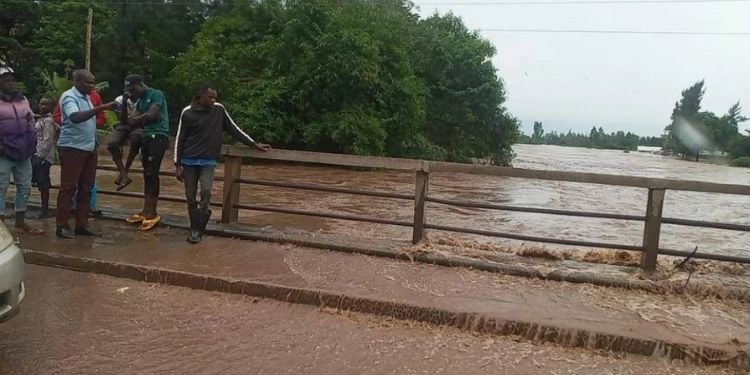
PHOTO | X