
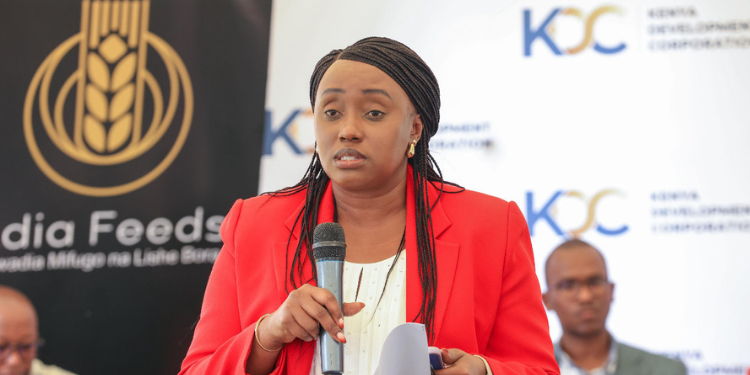
The Kenya Development Corporation (KDC) convened a high-level meeting of Chief Executive Officers to build consensus on a proposed regulatory framework for Development Finance Institutions (DFIs) in Kenya.
The meeting, held on June 3, underscored the role of DFIs in Kenya’s economy, particularly in providing long-term, patient capital to sectors such as industrialization, agro-processing, manufacturing, and enterprise development, where access to commercial financing remains limited.
KDC Director General Norah Ratemo noted that the regulation is fundamentally aimed at strengthening institutions and safeguarding the long-term sustainability of Kenya’s development finance ecosystem.
“The objective is to build a credible, coordinated and globally competitive development finance system capable of delivering sustained economic and social impact,” she said.
KDC Convenes CEOs to Advance Proposed DFI Regulatory Framework
Stakeholders noted that as Kenya pursues its industrialization, export growth, climate resilience and regional competitiveness goals, a stronger development finance ecosystem would be critical to sustaining economic transformation.
During the meeting, it was observed that, despite their systemic importance, DFIs currently operate without a dedicated legal and regulatory framework, resulting in fragmented oversight and challenges in attracting institutional capital.
The Director General for Public Investments and Portfolio Management, Lawrence Kibet, said predictable regulation is essential to boost DFIs’ credibility, sustainability, and developmental impact.
Also Read: 1,000 Kenyan CEOs Warn of Reduced Spending as Job Losses Mount
What Does the Proposed Bill Contain?
The proposed Development Finance Institutions (DFI) Bill seeks to establish, for the first time, a comprehensive legal and regulatory framework governing DFIs in Kenya.
At its core, the Bill aims to define and classify DFIs, introduce a mandatory licensing regime, and set minimum standards for governance, capital adequacy, liquidity, and risk management tailored to the sector’s long-term lending model.
It also proposes fit-and-proper requirements for directors and senior management to strengthen institutional integrity.
Also Read: 1,000 CEOs Advise Ruto on Reforms Needed to Boost Business Climate
The draft law further seeks to harmonize reporting and disclosure requirements, including the standardization of financial statements and the publication of development impact metrics to improve transparency and accountability.
In addition, it outlines a clear supervisory structure to ensure consistent oversight, along with provisions for the orderly resolution of financially distressed DFIs, thereby safeguarding investors, creditors, and public resources.
KDC stated that the proposed framework is designed to strengthen governance, improve financial stability, and enhance access to institutional capital by making DFIs more credible and transparent counterparts in the financial system.
Follow our WhatsApp Channel and X Account for real-time news updates.