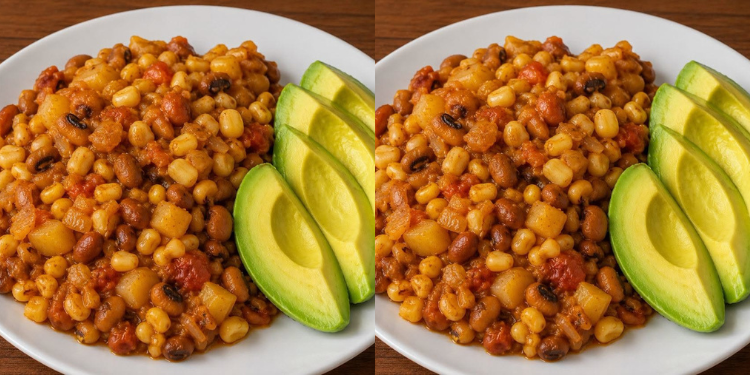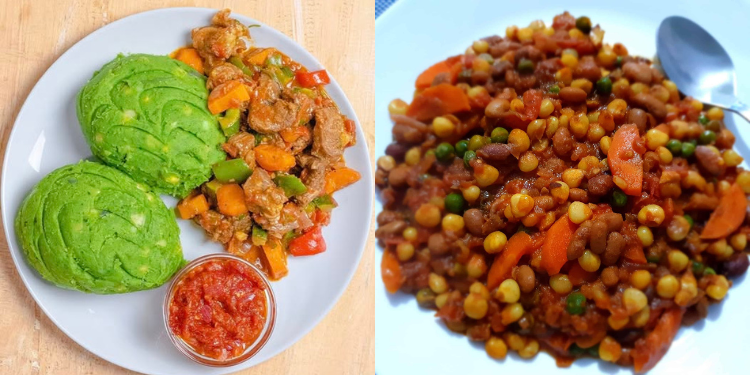
Githeri is one of Kenya’s most beloved traditional dishes, known for its simplicity, affordability, and nutritional value.
Made from a mixture of maize and beans, Githeri has been a staple in households for generations, providing a meal rich in carbohydrates, protein, and fiber.
Although the traditional recipe remains popular, githeri has evolved over the years, with home cooks experimenting with different ingredients, spices, and cooking methods.
There are countless ways to enjoy githeri, from creamy coconut versions inspired by the Coast to meat -filled recipes and quick weekday meals.
If you’re looking to give your next meal a fresh twist, here are 10 simple and delicious ways to cook githeri at home.
10 Simple Ways to Cook Githeri at Home
- Classic Githeri – Boiled maize and beans served with kachumbari or avocado.
- Spicy Githeri – Prepared with onions, tomatoes, garlic, curry powder or garam masala, and optional green chilies.
- Creamy Coconut Githeri – Finished with coconut milk, coriander, and a squeeze of lime for a rich coastal-inspired flavor.
- Beef or Sausage Githeri – Cooked with beef cubes, minced meat, or sliced sausages for a hearty one-pot meal.
- Vegetable Githeri – Enhanced with carrots, potatoes, peas, spinach, cabbage, or other vegetables for added nutrition.
- Quick Githeri – Made with canned beans and sweet corn for a fast, convenient weekday meal.
- Leftover Githeri – Repurposed into wraps, stuffed pita bread, or crispy pan-fried githeri patties.
- Smoky Nyama Choma Githeri – Mixed with shredded leftover nyama choma for a smoky, protein-rich dish.
- Mukimo-Style Githeri – Combined with potatoes and leafy greens, then lightly mashed for a creamy texture inspired by mukimo.
- Green Maize and Fresh Bean Githeri – Prepared with fresh green maize and fresh beans during harvest season for a lighter, sweeter version.
- Classic Githeri
Soak dried maize and beans overnight before boiling them until tender. Season with salt and serve with fresh kachumbari, avocado, or a cup of fermented milk (mala).
Also Read: Best Budget-Friendly Kenyan Meals to Cook at Home for Under KSh 500
- Spicy Githeri
If you enjoy bold flavors, this variation is worth trying. Fry onions until golden, then add tomatoes, garlic, and your preferred spices such as curry powder, paprika, or garam masala.
Stir in the cooked maize and beans and allow everything to simmer together. Add green chilies for an extra kick if you like spicy food.
- Creamy Coconut Githeri
Inspired by Kenya’s coastal cuisine, this githeri version adds coconut milk during the final stages of cooking.
The coconut milk gives the dish a rich, creamy texture while balancing the earthy taste of the beans.
Finish with chopped coriander and a squeeze of fresh lime juice for added freshness.
- Beef or Sausage Githeri
You can also add beef cubes, minced meat, or sliced sausages when preparing githeri.
Brown the meat first before adding onions, tomatoes, and the cooked maize and beans. Allow the mixture to simmer until the flavors blend together.
This version is ideal for lunch or dinner and pairs well with avocado.
- Vegetable Githeri
You can also cook githeri by incorporating vegetables such as carrots, potatoes, peas, spinach, cabbage, or green beans.
Root vegetables should be added first to allow them to soften, while leafy vegetables can be stirred in during the final few minutes of cooking.
- Quick Githeri
When time is limited, use canned beans and sweet corn instead of dried maize and beans. Fry onions, tomatoes, and garlic before adding the canned ingredients together with your favorite spices.
Let everything simmer for about 10 minutes.
Also Read: Top 10 Street Food Dominating Kenya in 2026
- Leftover Githeri
Stuff leftover githeri into chapati, tortillas, or pita bread to make wraps, or mash it with an egg and a little flour, then shape it into patties and pan-fry until golden brown.
- Smoky Nyama Choma Githeri
Have leftover nyama choma from the weekend? Shred the meat and mix it into cooked githeri after frying onions and tomatoes.
- Mukimo-Style Githeri
This variation combines githeri and potatoes. Cook the potatoes with githeri before adding greens, such as pumpkin leaves, spinach, or other traditional vegetables.
Mash everything together to create a meal with the creamy texture of mukimo while retaining the flavor of githeri.
- Green Maize and Fresh Bean Githeri
You can also choose to replace dried maize and beans with fresh green maize and fresh beans.
Since the ingredients are still young and tender, they cook much faster and produce a lighter meal.
Tips for Cooking Delicious Githeri
The secret to good githeri starts with proper preparation. Soaking dried maize and beans overnight reduces cooking time and helps them cook evenly. If you have a pressure cooker, you can cut the cooking time even further.
Avoid overcooking the maize, as it should remain tender without becoming mushy. If the mixture becomes too watery, simply allow it to simmer uncovered until it thickens naturally.
On the other hand, if you want a creamier consistency, mash a small portion of the cooked beans before stirring them back into the pot.
Fresh herbs such as coriander and spring onions make excellent garnishes, while avocado, kachumbari, chapati or ugali are perfect accompaniments depending on your preference.
You can also prepare a large batch and refrigerate leftovers in an airtight container for up to four days.
Follow our WhatsApp Channel and X Account for real-time news updates.