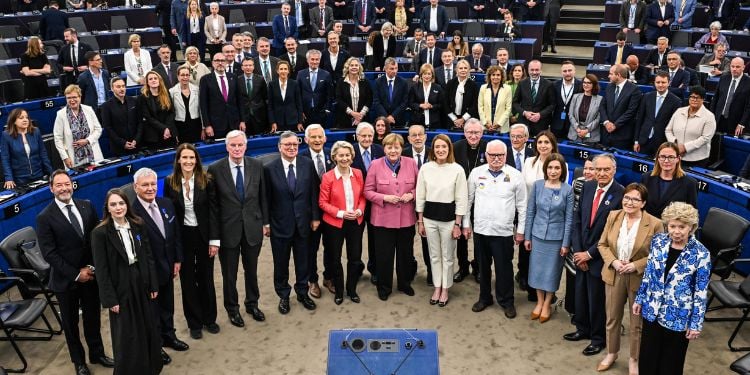
The government of Tanzania has pushed back against a recent vote by the European Parliament committee on a €156 million (around Ksh 23 billion) development aid deal.
In a press release issued on Wednesday, June 3, 2026, the Tanzania’s Ministry of Foreign Affairs stated that the vote was simply part of the European Union’s (EU) internal procedures and did not reflect its final stance on relations with Tanzania.
This defense followed a committee motion in which Members of the European Parliament raised serious concerns about Tanzania’s governance, democracy, and human rights, citing that the EU needs to address reported human rights violations and setbacks in democracy in the East African nation before agreeing to the financial support.
Also Read: From Ballot to Coronation: Tanzania’s Democracy on Trial
Why European Parliament Committees Opposed the Funding Plan to Tanzania
The deal proposes providing about Ksh 23 billion in development aid to Tanzania.
Many members of the committee, however, feel that the European Commission overlooked very important issues concerning democracy and human rights in Tanzania, especially during Tanzania’s last elections, when it decided to provide this funding.
While the European Parliament committee cast doubt on the agreement, the Tanzanian government’s view is that their case is not yet settled within the EU.
There’s still a gap between the commission’s positive view of funding and parliament’s more cautious approach, driven by serious concerns about democratic rights and freedoms in Tanzania.
“Tanzania has seen serious democratic backsliding, political repression and violations of fundamental rights,” said David McAllister, chair of the European Parliament’s Foreign Affairs Committee.
He added that the revised funding plan lacked “meaningful conditionality” and clear consequences if the situation worsened further.
A draft resolution adopted by the committees criticized the European Commission and the European External Action Service for failing to demonstrate that lawmakers’ major concerns had been addressed appropriately.
Also Read: EU Adopts Resolutions Human Rights Situation in Tanzania
Human Rights and Governance Concerns in Tanzania at the Center of Debate
Lawmakers cite reports of a harsh crackdown on protesters in Tanzania that left many civilians dead.
On the other hand, the ongoing detention of opposition leader Tundu Lissu, who has been in lockup for over a year on what Members of the European Parliament view as political grounds, adds to this list.
Tensions also went up when Tanzania postponed a visit by EU parliament members in May.
“We regret the lack of willingness by the Tanzanian authorities to engage in good-faith dialogue,” said Mounir Satouri, citing concerns over the country’s human rights situation and treatment of opposition figures in the country.
Tanzania Seeks to Reassure EU Partners
The government of Tanzania wants everyone to know that its relationship with the EU remains strong.
“The Ministry is here to tell the people that Tanzania’s ties with the EU are strong and getting better in several key areas,” read part of the press statement.
The government of Tanzania is committed to strengthening its existing ties with the EU and achieving shared development goals.
All eyes will be on the European Parliament’s upcoming session at the end of the month.
The Lawmakers are expected to review the committee-approved proposal, marking the start of another phase in the widening rift between Brussels and Dodoma over funding and governance.
Follow our WhatsApp Channel and X Account for real-time news updates.
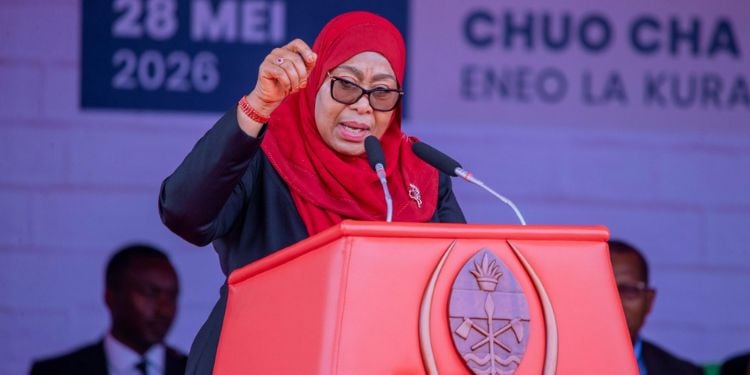
PHOTO | Samia Suluhu | X