Damaged or broken nails can result from gel manicures, acrylic extensions, improper polish removal, and everyday wear and tear, leaving nails brittle, peeling, and prone to splitting.
Restoring damaged nails requires identifying the type of damage, protecting the affected nail, and following a consistent care routine as it grows.
Nail experts emphasize managing a broken nail at home to prevent further damage after removing gel polish; the right steps can help maintain nail health and reduce recurring breakage.
Experts on Causes of Nail Damage
Nail damage can develop through repeated exposure to cosmetic products, physical trauma and everyday environmental factors.
Gel polish and acrylic extensions may contribute to thinning, brittleness, and peeling, particularly when the nail surface is filed aggressively, or products are removed by scraping or pulling.
“Manicures can result in nail damage via instrumentation, nail polish, nail polish removers, and artificial nails. We report nail weakness, brittleness, and thinning in five subjects after the application of a new manicure system called gel polish and removal with acetone and manual peeling,” Andrea F. Chen, a dermatology expert, stated.
According to the American Academy of Dermatology (AAD), gel manicures can make nails brittle and cause them to peel or crack.
Additionally, dermatologists say artificial nails can damage the natural nail, especially when application and removal involve repeated filing or harsh techniques.
Other common causes include frequent contact with water and cleaning products, nail biting, picking at the nail plate, and cutting the cuticles.
Experts also note that injuries can cause cracks, bruising, or the nail separating from the underlying skin.
Experts also argue that fungal infections, skin conditions, certain medications, and underlying health problems can affect nail appearance and growth.
Also Read: Nail Art Ideas for Short Nails: Cute and Practical Designs That Last
Quick Fixes for Damaged or Broken Nails
You can often manage a small split at the nail tip at home, but a deep crack, severe injury, or nail separation may require medical attention.
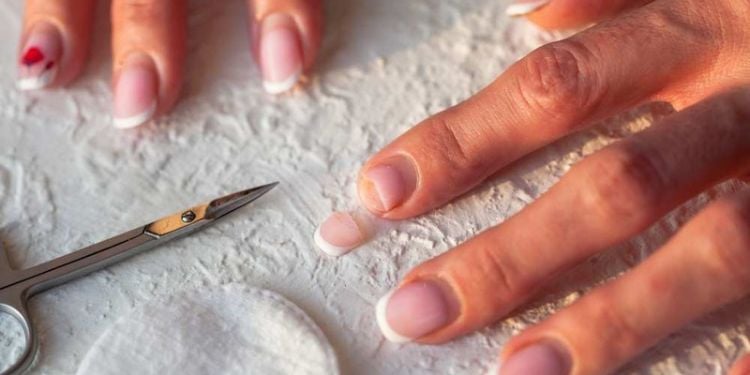
For a minor break, wash your hands and carefully trim any loose portion that is no longer attached to the skin.
Use a clean nail file to smooth rough edges and prevent the nail from catching on clothing.
However, avoid pulling at a split or cutting into the attached portion of the nail.
If the nail is bleeding, apply gentle, continuous pressure with clean gauze or a clean cloth.
Once the bleeding is controlled, rinse the injury with clean water, apply a thin layer of petroleum jelly, and cover it with a non-stick dressing.
Change the dressing regularly and seek medical attention if the injury is deep, painful, and shows signs of infection.
Nail technicians warn that a nail that has been crushed, torn deeply, or detached from the nail bed should not be repaired using household glue or covered with artificial nail products.
How to Restore Nails After Gel Polish or Acrylics
Gel polish applicants should avoid peeling or scraping off gel polish since it removes layers of the natural nail plate, leaving it thinner and more vulnerable to splitting.
Additionally, avoid pulling off polish, aggressively buffing the surface, or forcing a product to detach.
Some gel coatings are designed to soak off. In contrast, hard gels and certain extensions require professional removal when the product does not come off easily; technicians recommend against scraping.
Assess the Condition of the Natural Nail
After removing the product, examine the nails for peeling, cracks, thinning, unusual discoloration, tenderness or lifting from the nail bed.
Minor surface dryness and a small split at the free edge can often be managed with gentle care.
However, pain, swelling, nail separation, or persistent changes in color and thickness may indicate a problem that needs professional assessment.
During assessment, avoid applying fresh gel polish or acrylic extensions over visibly damaged or injured nails.
Keep damaged nails short enough to reduce bending, snagging and further breakage, and use clean nail clippers to trim the free edge and a fine file to smooth rough areas.
Apply petroleum jelly or a suitable moisturizer to the nails, cuticles and surrounding skin regularly, particularly after washing your hands.
The AAD recommends applying petroleum jelly to the cuticles and surrounding skin daily for seven days after gel polish removal to help reduce dryness.
Cuticle oil can also condition the surrounding skin, but it won’t instantly rebuild a thinned or damaged nail plate.
Protecting Nails from Further Damage
Wear gloves when washing dishes, handling cleaning products, or performing tasks that involve prolonged contact with water.
Repeated wetting and drying can contribute to nail splitting and brittleness, according to nail technicians.
If gel polish or acrylic extensions have contributed to nail damage, pause these treatments while the nails recover.
According to the AAD, fingernails take approximately six months to grow out fully, while toenails can take 12 to 18 months.
Also Read: Press-On Nails vs Salon Gel Manicure: Which Is Cheaper and More Convenient?
Nail Care Techniques
Experts recommend maintaining a routine during the restoration of damaged or broken nails.
Additionally, one should choose their manicure practices carefully and reduce exposure to harsh products.
Experts also caution against using nail hardeners and supplements, noting that Products marketed as nail-strengthening treatments do not address every cause of nail damage.
During the restoration period, maintain a balanced diet to support adequate nutrition and normal nail growth.
However, additional vitamins or supplements are not guaranteed to improve brittle nails, especially when the problem results from repeated cosmetic damage or an underlying condition.
Follow our WhatsApp Channel and X Account for real-time news updates.