Kuwaiti air defenses intercepted incoming missiles and drones while sirens sounded in Bahrain in the early hours of Wednesday, June 2. The explosions, which came after reports of blasts on Iran’s Qeshm Island, have raised new questions about the fragile ceasefire between the U.S. and Iran.
Kuwait Intercepts Missiles and Drones in Early Morning Attack
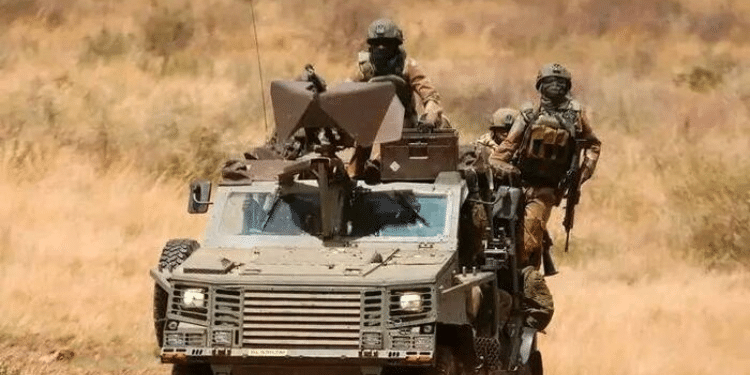
State news agency KUNA quoted the Kuwaiti army as saying its forces were confronting “hostile” missile and drone attacks. Any explosions heard came from interceptions, officials said.
They urged residents to stay indoors, follow safety rules, and avoid debris from the sky. The military gave no immediate details on where the threats originated or whether any got through.
The report from Kuwait came after fresh reports from Iranian media that explosions had been heard in the Qeshm Island area, without specifying their cause.
Some accounts spoke of possible air defense activity or disposal of unexploded ordnance.
This latest flare-up follows U.S. strikes over the weekend on Iranian radar and drone sites in Goruk and on Qeshm Island in the Strait of Hormuz.
U.S. Central Command described the weekend action as self-defense after Iran downed an American MQ-1 drone over international waters.
Reports of Explosions Near Iran’s Qeshm Island Raise Alarm
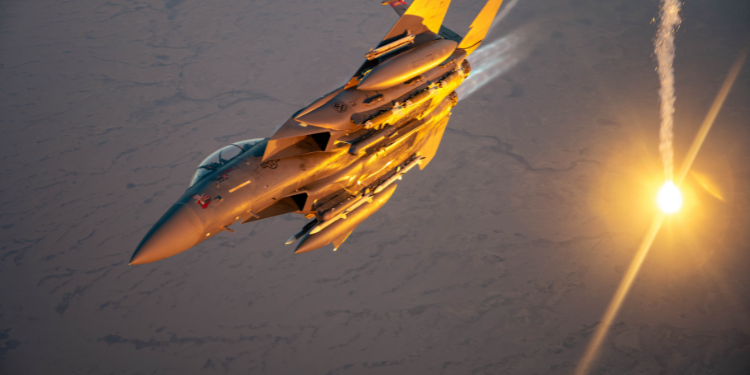
American fighters took out air defenses, a ground control station, and two attack drones that threatened shipping lanes.
Iranian media reported blasts on Qeshm without giving a clear cause. The island sits at a critical chokepoint for oil shipments, handling about one-fifth of the world’s daily crude.
In Bahrain, home to the U.S. Navy’s Fifth Fleet, the interior ministry activated warning sirens, telling people to head to safe areas and stay calm. No details emerged on specific threats there.
U.S. forces separately intercepted two Iranian ballistic missiles headed toward American bases in Kuwait late Sunday, CENTCOM said.
No American troops were hurt. Kuwait has reported several similar incidents in recent days, some of which it later tied to Iran.
Also Read: Botswana Tanker Blasted as U.S. Fires Hellfire Into Empty Ship Heading to Iran’s Kharg Island
The April ceasefire, brokered with help from Pakistan, was meant to pause fighting that erupted earlier this year.
Both sides have traded limited strikes while talks drag on over Iran’s nuclear program, sanctions, and security in the Gulf.
A few days ago, President Donald Trump spoke of extending the pause for 60 more days, but repeated tests like this one keep tensions high.
Gulf states find themselves in the middle as Kuwait, Bahrain, and others host U.S. troops and bases, making them targets when Iran wants to push back.
So far, no major casualties or damage have been confirmed from Wednesday’s events. Kuwaiti officials emphasized that the interceptions worked. Iranian statements stayed muted on the Qeshm blasts.
Also Read: Trump Admits: “No One Knows Where the Iran Conversations Lead”
The U.S. wants to protect its forces in the Middle East and keep shipping lanes open. Iran sees the American presence and recent strikes as direct threats.
Gulf Arab states want calm to protect their economies and people, but cannot ignore the risks of hosting foreign bases.
Diplomats are still holding quiet talks behind the scenes, but each new explosion or siren makes the path to a lasting deal look steeper.
If more attacks follow or if one side escalates its rhetoric, the delicate truce risks giving way to something considerably more lethal.
President Trump had earlier urged Iran to take the ongoing talks seriously and make a deal before it is too late.
The president of the United States of America said U.S. Forces are set to unleash powerful strikes on Iran if the two nations fail to seal a deal in the coming days.
Iran responded with more threats, with Tehran saying they stand ready to respond to any strikes from the U.S.