U.S. forces fired a Hellfire missile into the engine room of an empty Botswana-flagged oil tanker on Tuesday, June 2, after the crew spent more than 24 hours ignoring repeated warnings and trying to reach Iran’s Kharg Island.
The strike disabled the M/T Lexie in the Arabian Gulf. The unladen tanker was moving through international waters when U.S. Central Command assets spotted it heading toward one of Iran’s main oil terminals.
U.S. Forces Stop Iran-Bound Botswana Tanker in Arabian Gulf
CENTCOM said the crew failed to turn back despite multiple radio contacts and clear orders to stop.
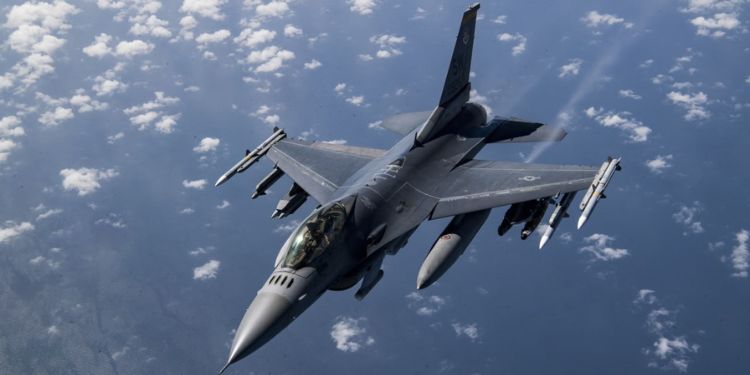
A U.S. aircraft carried out the precision strike, hitting the engine room and stopping the ship’s progress. The tanker is now disabled and will not reach Iran. No injuries were reported.
CENTCOM confirmed the action in a statement released via social media. This marks the sixth commercial vessel U.S. forces have disabled since the blockade began on April 13.
During the same period, 122 other ships have been redirected after receiving warnings.
Also Read: U.S. Fires Hellfire Missile Into Ship Trying to Break Naval Blockade in Gulf of Oman
The ongoing blockade targets all maritime traffic entering or leaving Iranian ports. It forms a key part of U.S. pressure on Iran during a fragile ceasefire that has held since April.
American officials have made clear they will continue stopping ships until Tehran agrees to strict limits on its nuclear program and regional activities.
Since Kharg Island is Iran’s largest oil export hub, disrupting access to it directly hits Iran’s ability to sell crude on the global market.
Media reports estimate the blockade has already cost Tehran several billion dollars in lost revenue since it started.
Lately, the use of Hellfire missiles against engine rooms has become the standard method for these operations.
The tactic stops the vessel without sinking it, decreasing the risk of major oil spills in busy Gulf waters. Previous strikes followed the same pattern on other tankers and cargo ships.
U.S. Navy and Air Force units operating from carriers and bases in the region conduct round-the-clock patrols in the region, especially around the Strait of Hormuz, with commanders saying forces will keep issuing warnings but will disable any ship that refuses to comply.
Also Read: Trump Admits: ‘No One Knows Where the Iran Conversations Lead‘
Iran has stayed quiet on Tuesday’s strike so far. In previous incidents, Tehran called the blockade illegal piracy and threatened to respond.
Iranian officials argue the moves violate international law and freedom of navigation through the Strait of Hormuz, the narrow chokepoint that handles about one-fifth of the world’s oil shipments.
The ceasefire has prevented a return to open full-blown fighting between Iran and the U.S., but tensions sit close to the surface.
Diplomatic efforts continue behind the scenes, with mediators seeking a path toward a longer-term agreement, starting with a 60-day extension of the fragile ceasefire.
President Trump has insisted that any deal must include ironclad guarantees that Iran will never build a nuclear weapon.
Shipping companies and insurance firms are feeling the pressure, with voyage rates in the Gulf having jumped sharply since the blockade began.
Botswana-flagged Ship Registry Appears in Gulf Incidents
Some tanker operators have rerouted around Africa or canceled planned stops at Iranian ports altogether.
Botswana, a landlocked country in southern Africa, has become one of several flags of convenience used by vessels in sensitive trades. This case is interesting because it is a registry rarely seen in Gulf incidents.
Meanwhile, Lexie remained stationary in the Arabian Gulf. Salvage options and next steps for the crew have not been publicly detailed.
CENTCOM has not released information about the tanker’s owner or exact cargo plans.