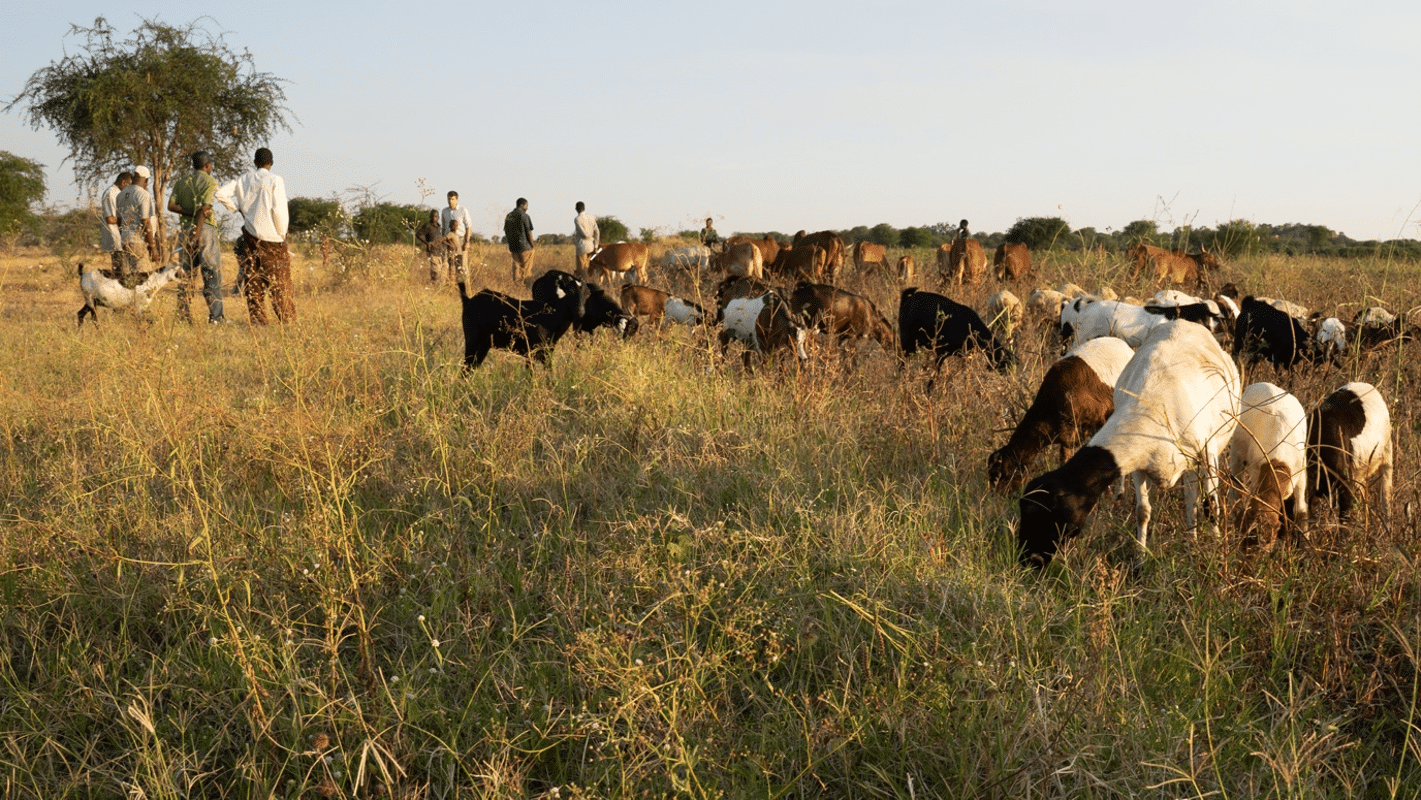
Kenya is missing out on roughly KSh 250 million each week as livestock exports to the Middle East slow to near zero, according to the National Treasury, dealing a blow to pastoralist incomes and export revenue.
Treasury Cabinet Secretary John Mbadi says disruptions triggered by the escalating conflict in the Middle East have effectively shut down Kenya’s meat export trade, with the country’s six licensed export slaughterhouses now operating at near-zero capacity.
About 85 percent of Kenya’s livestock exports are destined for Gulf Cooperation Council (GCC) countries. The sudden loss of access to these markets has created a severe local backlog of animals, triggering oversupply and driving down farm‑gate prices.
“The livestock sector has taken a very serious blow,” Mbadi spoke during a parliamentary briefing. “The shutdown of export channels has had an immediate impact on producers, traders, and processors.”
According to the Treasury, Kenya is losing about KSh 250 million every week from the stalled meat exports, while farmers and processors continue to incur normal operating costs.
Also Read: Fuel Crisis in Africa: How Top 10 Economies on the Continent are Coping with Middle East War
Falling Prices Squeeze Kenya Pastoralist Incomes
The Treasury said the Middle East conflict has blocked export routes, forcing animals intended for Gulf markets to be sold locally instead. This glut has pushed livestock prices down, cutting incomes for farmers and pastoralist families.
Counties in arid and semi‑arid areas are hardest hit because they depend heavily on buyers in Saudi Arabia, the United Arab Emirates, Oman, and Qatar. Officials warned that if the disruption drags on, financial pressure on households will grow, and government support may be needed.
The losses come after years of growth in Kenya’s meat export industry, which had been boosted by rising demand from Gulf countries for chilled and frozen beef, goat, and mutton from East Africa.
Conflict Risks Spill Over into Tea Exports
While the livestock sector is bearing the most immediate pain, Treasury said Kenya’s tea exports remain vulnerable due to continued dependence on the Middle East and South Asia.
In 2025, Kenya exported 585 million kilograms of tea to the region, generating about KSh 320 billion in export earnings. Those markets accounted for 57 percent of tea volumes and 46 percent of total export revenue.
Also Read: Treasury Makes U-Turn on Timeline for PAYE Review
Treasury noted that a bilateral trade framework with Iran valued at roughly KSh 900 billion further ties Kenya’s tea sector to the region, exposing it to shipping disruptions and payment challenges linked to the conflict.
However, Mbadi said tea exports have so far avoided an outright decline, supported by expanded market access in China, Europe, and North Africa, particularly Algeria.
Government Revenue Under Strain
Treasury projections indicate that Kenya could lose up to KSh 60 billion in revenue during the 2025/26 financial year if disruptions in the Middle East persist.
Those estimates include possible slowdowns in petroleum‑related imports, which normally generate around KSh 30 billion per month in taxes and levies, as well as exposure to the approximately KSh 273 billion in annual tax revenue linked to imports from the region.
Mbadi said global financial conditions are becoming tougher, with early signs that investors are growing more cautious about government debt. He added that this made Kenya’s recent debt management moves well timed.
In February, the government raised about KSh 360 billion through a Eurobond and used roughly KSh 64 billion to buy back part of its existing debt, steps meant to ease upcoming repayments and reassure financial markets.