Kenya must begin treating water as a strategic economic asset rather than merely an environmental resource if it is to achieve its development ambitions and strengthen resilience against climate change, stakeholders have said.
The call emerged during the High-Level Roundtable Dialogue on Basin Water Resource Committees (BWRCs), held as part of the closing activities of the Catchment to Tap (C2T) Programme, a five-year initiative supported by the Embassy of the Kingdom of the Netherlands and implemented by World Wide Fund for Nature-Kenya (WWF-Kenya) in partnership with government agencies, civil society organisations, and academia.
The dialogue brought together representatives from national and county governments, development partners, water sector institutions, academia, civil society and the private sector to discuss the operationalisation of BWRCs and the future of integrated water resources management in Kenya.
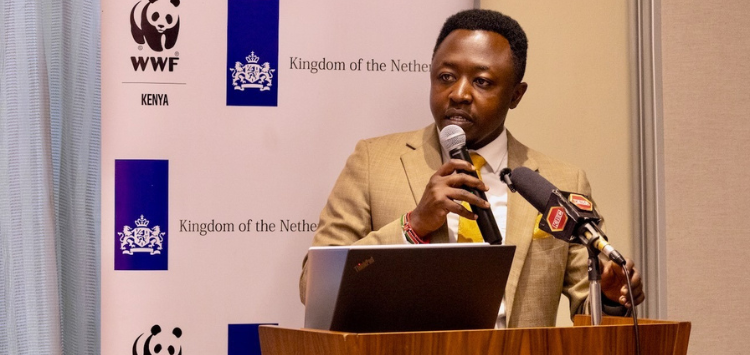
WWF-Kenya Chief Executive Officer Jackson Kiplagat said water security remains fundamental to Kenya’s sustainable development agenda and stressed the importance of collaboration in safeguarding the country’s water resources.
“Water security remains central to Kenya’s sustainable development agenda,” said Kiplagat.
Also Read: KEPSA Announces Opportunities for Painters, Makeup Artists, & Others; How to Apply
“The operationalisation of Basin Water Resource Committees is critical for strengthening integrated water resources management.”
The meeting heard that the Catchment to Tap Programme has invested more than Sh500 million over the past five years to strengthen water governance institutions, improve access to water, support catchment restoration and build the capacity of Water Resource Users Associations (WRUAs).
Participants noted that Kenya has made considerable progress in water sector reforms through the Water Act 2016, strengthened regulatory oversight by the Water Resources Authority (WRA), and increased investments in water security, climate resilience and ecosystem restoration.
However, stakeholders warned that these gains could be undermined if governance gaps affecting Basin Water Resource Committees are not addressed.
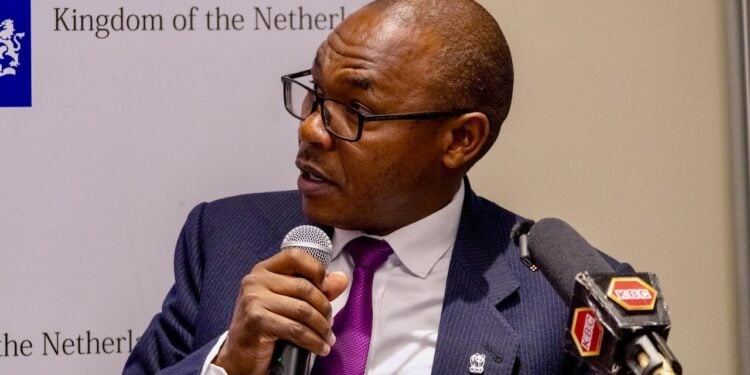
The private sector, through the Head of Kenya Private Sector Alliance (KEPSA) Consult and Senior Circular Economy & Climate Change Coordinator, Dr. Jackson Koimbori, argued that reliable water resources are critical to economic growth, noting that sectors such as agriculture, manufacturing, tourism, energy and real estate all depend on water security.
The forum heard proposals for innovative financing mechanisms, including green bonds and water stewardship funds, to support catchment restoration and sustainable water management.
Also Read: KEPSA Expresses Concern on the Economic Impact of Azimio Protests
Ambassador H.E. Henk Jan Bakker of the Kingdom of the Netherlands emphasised that successful water governance requires strong partnerships and coordinated action among all stakeholders.
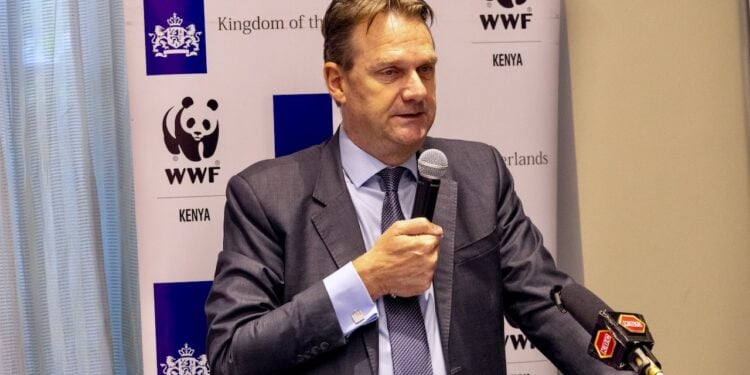
“Governance is critical. Integrated water resources management is essential. Collaboration between counties and stakeholders is indispensable,” said Bakker.
Water Resources Authority Chief Executive Officer Mohammed Shurie acknowledged that delays in operationalising BWRCs stemmed from legal and institutional challenges under the Water Act 2016.
He noted that amendments aimed at addressing governance conflicts had already been submitted to Parliament and expressed optimism that the process would soon be finalised.
The dialogue adopted several key resolutions, including fast-tracking amendments to the Water Act, strengthening collaboration between national and county governments, mobilising sustainable financing mechanisms, enhancing public participation and ensuring inclusive representation within BWRCs.
Participants also called for stronger support for WRUAs and coordinated catchment management involving counties, WRA, communities, civil society organisations, and conservation agencies.
The meeting concluded that securing Kenya’s water future will require sustained investment in both governance institutions and the ecosystems that generate and sustain water resources, positioning water as a cornerstone of economic resilience, climate adaptation and long-term national development.
Follow our WhatsApp Channel and X Account for real-time news updates.