


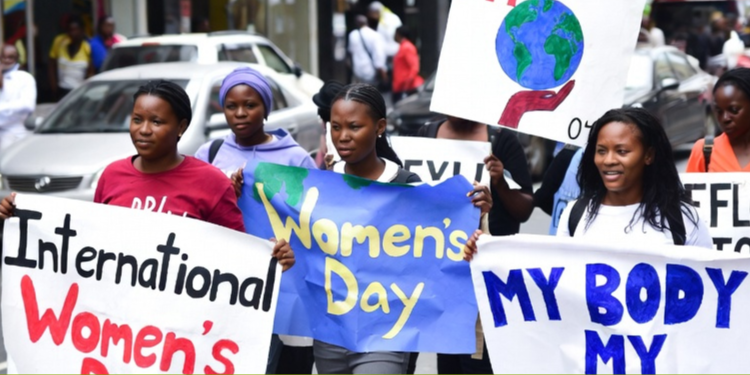
It is difficult to speak about progress when women and girls are still dying from preventable causes.
In Kenya, unsafe abortion remains a quiet but persistent public health crisis. An estimated 2,600 women die each year from complications related to unsafe abortion, while thousands more are hospitalized with severe injuries.
Behind these numbers are lives interrupted, families shattered, and communities left grieving. These deaths are not inevitable.
They are the result of barriers economic, social, and systemic that deny women safe reproductive healthcare.
Unsafe abortion is rarely a single event. It is often the culmination of desperation, fear, and lack of options.
Also Read: Opinion | How Floods Have Exposed Disastrous Nairobi City County
Many women resort to unsafe procedures because they cannot afford safer services or because accurate information and trusted providers feel out of reach. In hidden rooms and unsafe environments, women undergo procedures that expose them to infection, hemorrhage, uterine damage, and sometimes death.
For those who survive, the trauma does not end when the procedure is over. Many suffer long-term health complications such as infertility, chronic pelvic infections, or organ damage.
Others carry deep psychological wounds fear, shame, and stigma that prevent them from seeking care early when complications arise.
Hospitals across the country continue to treat women arriving too late, already battling severe infections or life-threatening bleeding.
The reality is that unsafe abortion disproportionately affects women with the least resources.
Women who have financial means are more likely to access trained providers, safe facilities, and proper follow-up care.
Those without economic power are forced into riskier alternatives. In other words, access and quality are closely linked to affordability.
This is why the theme of this year’s Women’s History Month “Give to Gain” is so relevant. When societies invest in women, they gain healthier families, stronger economies, and more resilient communities.
Economic empowerment is not just about income or employment; it is about enabling women to make informed decisions about their health, their bodies, and their futures.
When women have financial autonomy, they can access healthcare earlier, seek professional advice, and avoid the dangerous conditions that lead to unsafe abortion. Investing in women’s economic opportunities through education, employment, financial inclusion, and social protection ultimately strengthens their ability to access safe and quality reproductive health services.
But economic empowerment alone is not enough. It must be accompanied by strong institutions that ensure reproductive healthcare services remain accessible and protected.
In this regard, the December 18, 2025, ruling by the High Court of Kenya marked an important moment for reproductive rights in the country.
The court quashed bans imposed on Marie Stopes Kenya, ruling that restrictions on its abortion and post-abortion services were unconstitutional and issued without legal authority. Justice Chacha Mwita affirmed that regulatory bodies, including the Kenya Medical Practitioners and Dentists Council and the Kenya Film Classification Board, had acted outside their jurisdiction.
The judgment underscored a fundamental point, restrictions that limit access to reproductive health services undermine women’s constitutional rights to health, information, and dignity.
Also Read: Opinion | Publishing False Statements is Not a Crime: Lessons from the Court of Appeal
By lifting these bans, the court reaffirmed the role of such institutions in providing essential reproductive health information and services to women and girls across the country.
As we reflect during Women’s History Month, the message of “Give to Gain” must translate into action.
Investing in women’s economic empowerment and protecting access to reproductive health services are not separate goals they are deeply connected.
A society that enables women to thrive economically must also ensure they have the healthcare and autonomy necessary to live healthy lives. Because when women gain control over their health and economic futures, everyone benefits.
If we truly want to honor women this month, then the path forward is clear: invest in women, protect their rights, and ensure that no woman’s life is lost because safe healthcare is out of reach.
This Article was written by Sarah Nyakio, communication consultant at the Legal Caravan.
Follow our WhatsApp Channel and X Account for real-time news updates.




WOW just what I was looking for. Came here by searching
for disaccharide hydrolysis