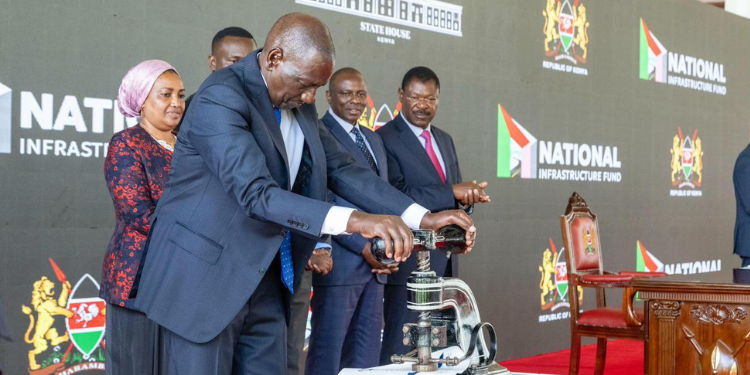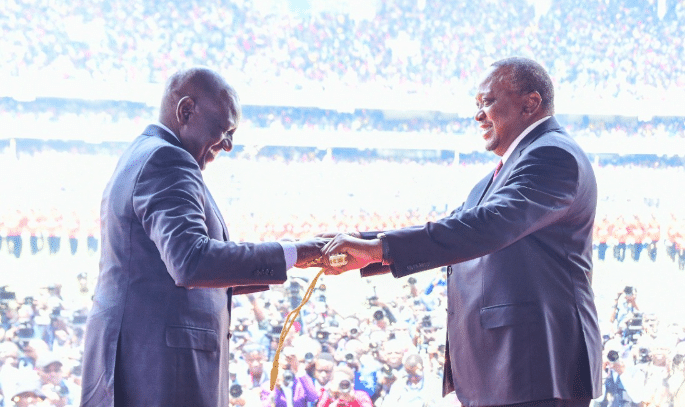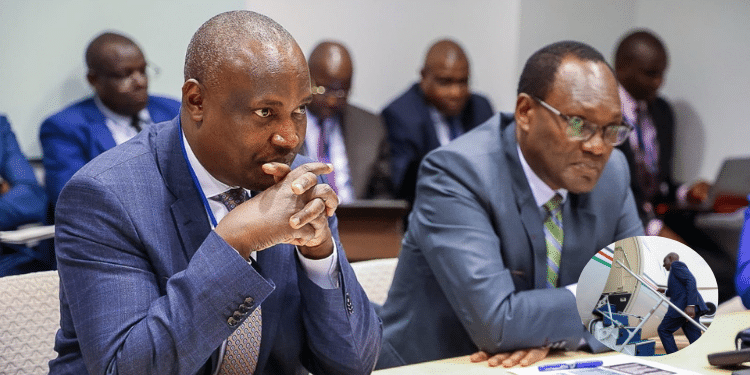
In Kenya, we have a saying: “Mali ya umma ni mali ya kila mtu, lakini si mali ya mtu yeyote.” (Public property belongs to everyone, but to no one in particular). This paradox sits at the very heart of the 2026 privatization push. As the government prepares to list the Kenya Pipeline Company (KPC) and other giants on the Nairobi Securities Exchange (NSE), the air in our streets is thick, not with the excitement of a new dawn, but with the heavy fog of questions.
Is this a genuine move to empower the Mwananchi, or are we witnessing a high-level clearance sale to satisfy the balance sheets of external lenders like the IMF?
For decades, we have looked at State-Owned Enterprises (SOEs) as distant, untouchable monuments. But let’s call them what they are: our “Family Silver.” Whether it’s the pipeline moving our fuel or the authorities managing our ports, these belong to the Kenyan people.
Currently, Kenya has over 200 of these entities. However, the bitter truth is that only a small fraction is actually making money. The rest have become “drain pipes,” leaking our hard-earned tax shillings through endless bailouts. Now, the government wants to sell. But for Wanjiku, the doubt remains: Is this a chance to finally own a piece of the pie, or are we selling the family cow just to buy a bicycle?
-
The Shield: Why Article 10 Matters
Our Constitution isn’t just a book for lawyers in robes; it is a shield for the public. When we talk about selling KPC, the law is clear: you must be in the room. Article 10 demands Public Participation.
This means the government cannot simply wake up and sign away a strategic asset behind closed doors.
Also Read: Court Rules on Petition Challenging Kenya Pipeline Privatization
Every Kenyan has a right to know the reserve price, the lowest price we are willing to accept, and exactly whose name will be on the title deed. Transparency isn’t a favor the government does for us; it is a constitutional debt they owe us.
- The 2026 Opportunity: Can we Democratize Wealth?
For the first time in a decade, a major Initial Public Offering (IPO) is on the horizon. This is a rare chance to shift ownership from the State (which often feels like “no one”) to the Citizen. At the heart of this shift is:
- Cutting the Rot: Privatization aims to prune the ghost workers and political patronage that often choke these companies.
- The Dividend Dream: Instead of profits disappearing into a “black hole” of bureaucracy, they could be paid out to you, the teacher, the boda boda rider, or the mama mboga, who dared to buy a few shares.
-
Red Flags:
Do not be blinded by the boardroom talk. History has shown us that the road to privatization is full of legal potholes. As an investor, staying alert isn’t just wise; it’s the only way to ensure the ground doesn’t shift beneath your feet. Some of the things you need to pay attention to are:
- The Fire Sale Risk: Are we selling a goldmine to pay off short-term debts? We must ensure these assets are valued correctly. We cannot afford to lose out on future billions for a quick shilling today.
- The Courtroom Drama: In Kenya, a single petition can stall a sale for years. If you lock your savings in these shares, be prepared for Public Interest Litigation to potentially freeze the process while the lawyers argue.
Also Read: Kenya Pipeline IPO: Breakdown of Advisors, Companies and Owners Pocketing Ksh 3 Billion in Fees
- The Monopoly Trap: There is a genuine fear that we are trading a clumsy public monopoly for a greedy private one. If KPC goes private, will the price of paraffin go up just to please a board of directors? This is where the Competition Authority of Kenya must show its teeth.
The Middle Ground:
The antidote to this skepticism is simple: Open the books. If the government wants us to buy in, they must move beyond “trust us.”
We don’t just want the price; we want the math. Show us the independent valuation reports. Tell us how many shares are reserved for local retail investors versus foreign strategic partners. If a farmer in Makueni understands that owning a share protects his livelihood better than a government subsidy, he will buy. But if it feels like a hidden deal done in a boardroom in Nairobi, the people and the courts will certainly have the final say.
The Bottom Line
Privatization shouldn’t be about offloading problems; it should be about upgrading our national dignity. If the Privatization Act of 2025 is followed with total transparency, it’s a win for the small investor. If not, we aren’t just selling assets; we are selling our future.
This article was written by Kate Odundo, an Associate Alakonya Law LLP.
Follow our WhatsApp Channel and X Account for real-time news updates.