Nairobi’s property market is shifting as investors increasingly look beyond traditional suburbs and focus on satellite towns with strong infrastructure links.
New data from the HassConsult Land Price Index shows that Ruiru, Thika and Ruaka emerged among the strongest-performing land markets in the second quarter of 2026, driven by major developments and improved connectivity.
“Ruiru led the satellite towns with a quarterly appreciation of 4.1 percent to Ksh.42.2 million per acre, followed by Thika at 3.8 percent to Ksh.32.4 million, and Ruaka at 2.8 percent to Ksh.115.7 million per acre,” read the report.
Land prices in Nairobi’s satellite towns grew by 1.4% during the quarter, recovering from 0.5% growth recorded in the previous period.
Ruiru Leads Satellite Town Land Growth as Major Developments Drive Demand
Ruiru recorded the highest quarterly increase among the satellite towns according to HassConsult, with land prices rising by 4.1% to reach KSh42.2 million per acre.
Also Read: High Court Gives Thousands of Kenyans Fresh Hope in Historical Land Injustice Claims
The growth has been linked to the rapid expansion of major mixed-use developments, including Tatu City and Northlands, which have attracted industrial, commercial and residential investments.
These developments have created new employment opportunities and increased demand for housing as workers and businesses seek locations closer to emerging economic centres.
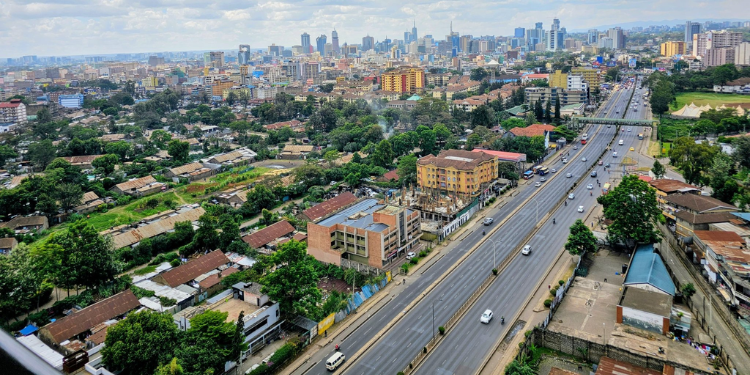
Ruiru’s strategic position along the Nairobi-Thika corridor has also supported its growth. The area benefits from improved transport connectivity, proximity to Nairobi and access to major infrastructure networks, making it attractive to developers targeting residential estates, commercial centres and industrial facilities.
According to the report, recovery of satellite towns is becoming increasingly influenced by economic activity rather than geographical distance from Nairobi.
Areas with employment hubs, infrastructure investment, and expanding commercial activity are recording stronger demand than locations relying only on proximity to the capital.
Land Prices in Thika Rise Amid City Status Expectation
Thika recorded the second-highest quarterly growth with land prices increasing by 3.8% to KSh32.4 million per acre.
The town’s growth has been supported by expectations surrounding its planned elevation to city status, which has increased investor interest.
The potential upgrade is expected to attract increased investment in infrastructure, businesses and housing developments, creating opportunities for landowners and property developers.
Thika has historically been an important industrial and agricultural centre, but recent years have seen increased urban growth as Nairobi’s population expands and demand for affordable housing pushes development outward.
The availability of relatively larger parcels of land compared to Nairobi’s established suburbs has made satellite towns attractive for developers seeking to build large residential communities, gated estates and commercial projects.
Why Ruaka is Attracting Investors
Ruaka recorded a 2.8% quarterly increase in land prices, reaching KSh115.7 million per acre.
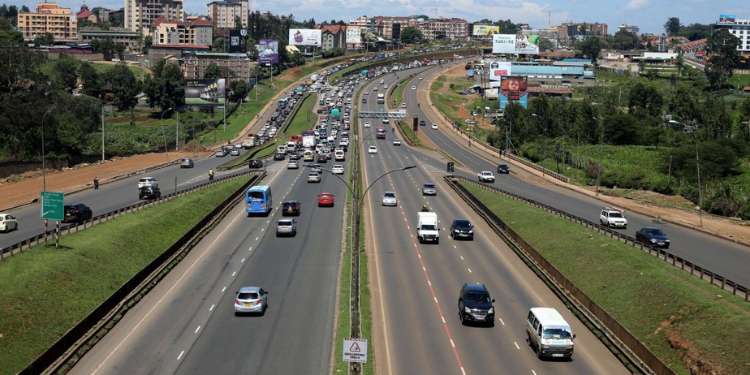
The area’s growth has been driven largely by improved infrastructure, particularly the completion of the Nairobi Western Bypass, which has enhanced connectivity between Ruaka, Nairobi and neighboring areas.
Also Read: Moi’s Son Loses Title Deeds of Four Prime Land Parcels
Ruaka’s location near the United Nations complex and the wider diplomatic zone has also contributed to increased demand for residential developments.
Developers have targeted the area for apartments, gated communities and housing projects serving professionals working in Nairobi and surrounding commercial centers.
However, the growth of satellite towns has remained uneven. While areas such as Ruiru, Thika and Ruaka recorded strong gains, some locations experienced declines during the quarter.
Ngong recorded the biggest drop among tracked satellite towns, with land prices falling by 2.5%, while Limuru declined by 0.8%.
HassConsult noted that investors are increasingly focusing on areas with strong economic foundations, including transport improvements, employment opportunities and commercial expansion, which are becoming key drivers of land value growth.
Follow our WhatsApp Channel and X Account for real-time news updates.