Residents living along the Tana and Athi River basins have been urged to remain alert following increased rainfall in the Upper Tana catchment areas, which is expected to raise river levels and dam inflows in the coming days.
In a hydrometeorological advisory on March 14, the Tana and Athi Rivers Development Authority (TARDA) cautioned that continued rainfall could lead to rising river flows, increased pressure on dams, and potential flooding in downstream areas if the wet conditions persist.
“The Tana and Athi Rivers Development Authority (TARDA) wishes to inform residents and stakeholders in the 19 counties within the Tana and Athi River basins about current rainfall, dam levels, and river flows,” the advisory stated.
Rainfall Recorded in Upper Tana Catchments
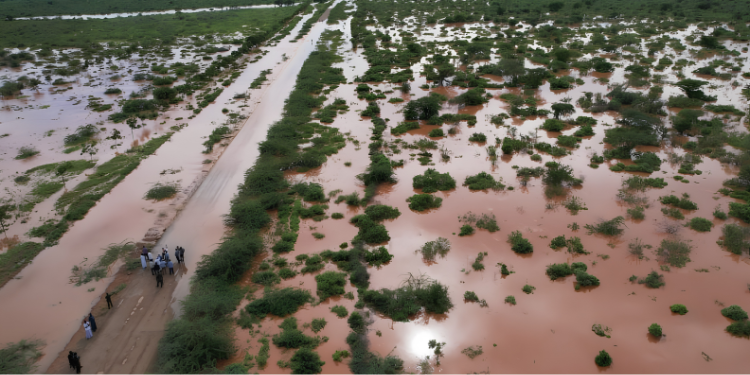
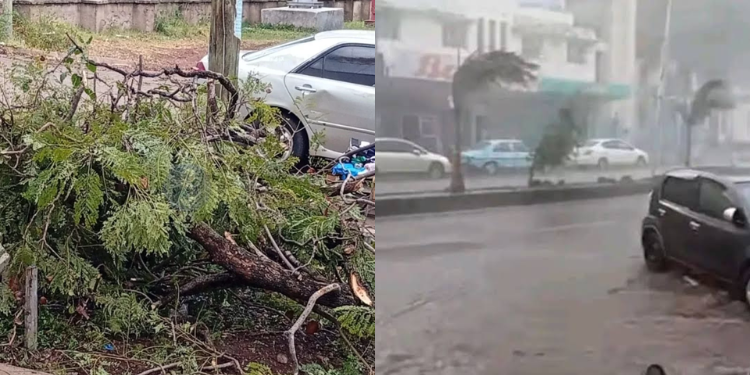
According to TARDA, heavy rainfall has already been recorded in several parts of the Upper Tana region, with forecasts showing more rain expected over the next few days. The authority said the ongoing rainfall is likely to increase surface runoff into rivers and reservoirs, especially in areas near the Aberdare ranges, Mt. Kenya region, and surrounding highlands.
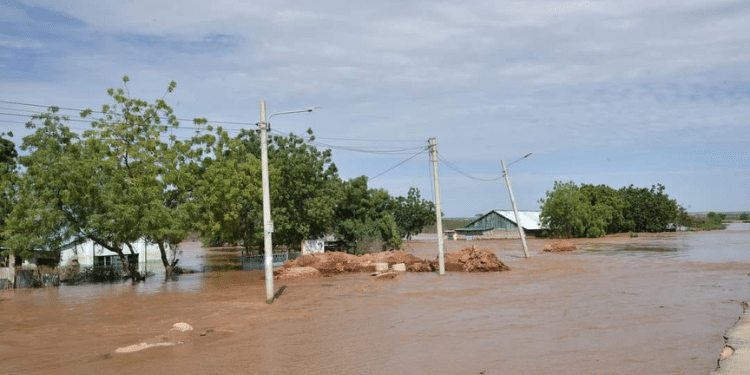
TARDA warned that communities living close to rivers, low‑lying areas, and floodplains could be affected if river levels continue to rise.
Rising River Flows and Dam Inflows
TARDA noted that river flows within the Tana River Basin are expected to increase as runoff from upstream catchments continues to move downstream. As a result, inflows into key dams in the basin may rise steadily.
The authority said that if the dam water levels approach safety limits, controlled water releases may be required to protect the dam infrastructure and maintain safe operations. Such releases are part of standard dam safety procedures, but can increase downstream water levels.
TARDA cautioned that downstream communities should remain alert, as controlled releases may affect riverbanks, farms, and settlements near water channels.
Also Read: TARDA Issues Flood Advisory for 19 Counties as Dam Levels Rise
Communities Most at Risk
The advisory warned that people living in flood‑prone zones within the Tana and Athi River basins face a higher risk of flooding if the rains continue. Areas identified as especially vulnerable include:
- Low‑lying settlements
- Informal settlements along riverbanks
- Farms and irrigation schemes near rivers
- Floodplains and natural drainage paths
Flooding in these areas could affect homes, crops, roads, and other infrastructure.
Safety Advice to the Public
TARDA urged residents to take precautionary measures to reduce risk and stay safe during the rainy period. The authority advised the public to:
- Avoid staying or walking near riverbanks and flood‑prone areas
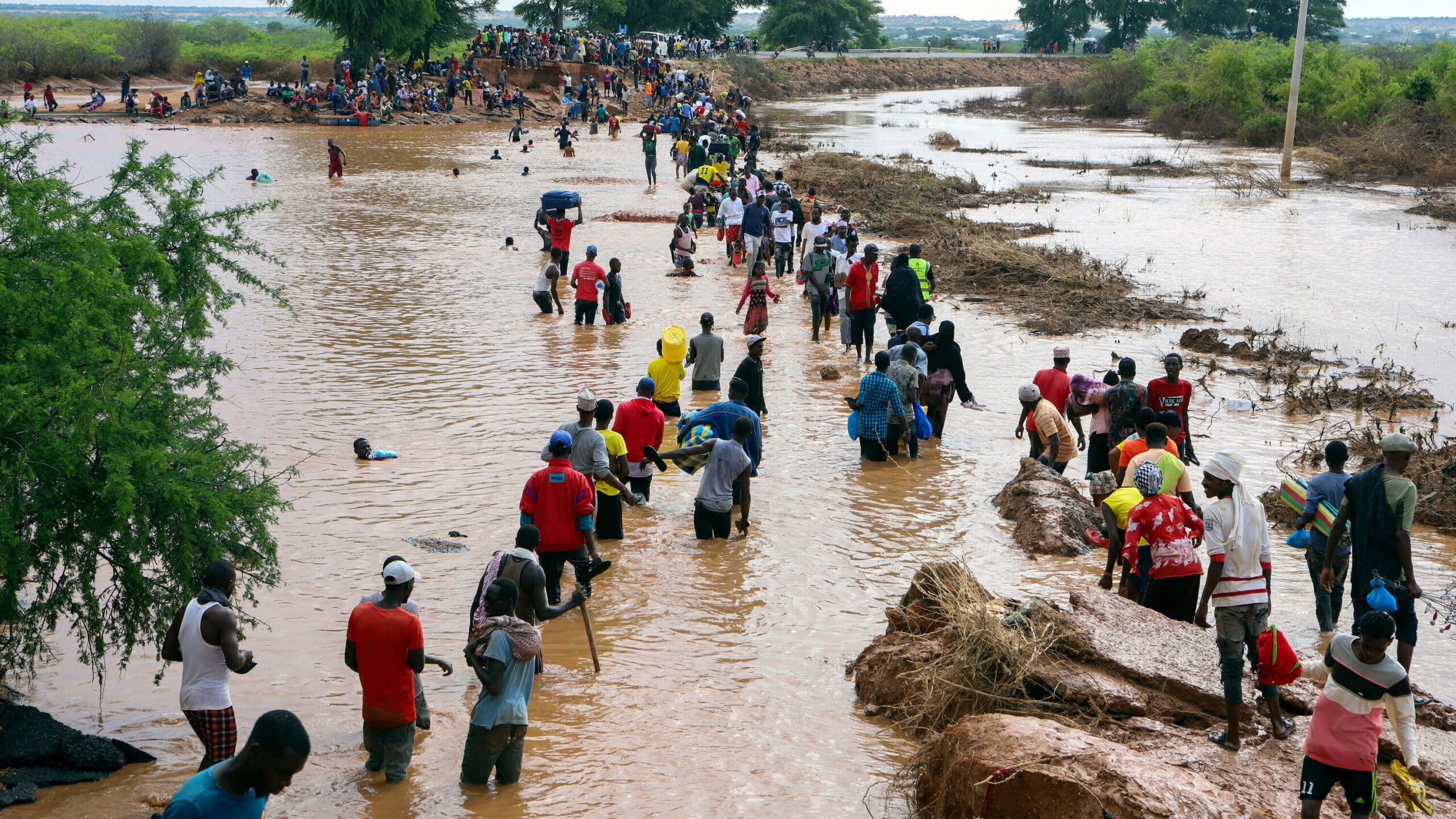
- Refrain from crossing flooded roads or bridges
- Keep children away from rivers, dams, and fast‑flowing water
- Move livestock, farm equipment, and valuables to higher ground where possible
- Closely follow the safety instructions issued by national and county authorities
Motorists were also warned against attempting to drive through flooded sections of roads, noting that water levels can rise quickly and visibility can drop, creating dangerous driving conditions.
TARDA Monitoring and Updates
TARDA said it continues to closely track rainfall patterns, river flows, and dam inflows across the Tana and Athi River basins, in coordination with other government agencies responsible for water management, disaster response, and public safety.
The authority noted that ongoing monitoring will help guide timely decisions on dam operations and on early warning measures for downstream communities.
Residents have been advised to stay informed by following updates issued through official government communication channels, including county authorities and emergency response agencies.
Also Read: Govt Warns of Rising Waters, Lists High Risk Areas
TARDA said further advisories will be released if rainfall intensifies, river levels rise faster than expected, or dam operations change.
The authority emphasized that early information and cooperation from the public are important in reducing risk and preventing loss of life or property.
Communities living in flood‑prone areas were encouraged to prepare in advance, identify safe routes and higher ground, and remain ready to act quickly should conditions worsen or evacuation instructions be issued.
“TARDA remains committed to working with stakeholders across water resource sectors to continue assessing the flood risk situation and to provide timely advice on relocation to safer areas in collaboration with relevant agencies, ” mentioned TARDA.