Monday, June 1, 2026
  • News
    • Latest News
    • Breaking News
    • Fact Check
    • Investigations
    • Explainers
  • Politics
    • Global Politics
    • Elections
    • Government & Policy
    • Diplomacy
    • Conflicts & Security
    • Political Analysis
  • Business
    • Global Economy
    • Markets
    • Technology
    • Startups
    • Energy
    • Finance
  • World News
    • Americas
    • Asia
    • Asia Pacific
    • Africa
    • Europe
    • Middle East
  • Africa
    • Central Africa
    • East Africa
    • West Africa
    • Southern Africa
  • Health
    • Global Health
    • Public Health
    • Health Policy
    • Medical Research
    • Diseases & Conditions
    • Mental Health
    • Nutrition
    • Climate & Health
    • Health Explainers
  • Sports
    • Athletics
    • Basketball
    • Boxing
    • Cricket
    • Football
    • Formula 1
    • Golf
    • Rugby
  • Weather
    • Climate Business
    • Climate Change
    • Climate Solutions
    • Living Green
  • Culture
    • Arts
    • Film & TV
    • Food
    • Music
    • Lifestyle
    • Travel
  • Opinion
    • Editorials
    • Letters
  • Behind The Brand
REGISTER
LOGIN
No Result
View All Result
The Kenya Times
  • News
    • Latest News
    • Breaking News
    • Fact Check
    • Investigations
    • Explainers
  • Politics
    • Global Politics
    • Elections
    • Government & Policy
    • Diplomacy
    • Conflicts & Security
    • Political Analysis
  • Business
    • Global Economy
    • Markets
    • Technology
    • Startups
    • Energy
    • Finance
  • World News
    • Americas
    • Asia
    • Asia Pacific
    • Africa
    • Europe
    • Middle East
  • Africa
    • Central Africa
    • East Africa
    • West Africa
    • Southern Africa
  • Health
    • Global Health
    • Public Health
    • Health Policy
    • Medical Research
    • Diseases & Conditions
    • Mental Health
    • Nutrition
    • Climate & Health
    • Health Explainers
  • Sports
    • Athletics
    • Basketball
    • Boxing
    • Cricket
    • Football
    • Formula 1
    • Golf
    • Rugby
  • Weather
    • Climate Business
    • Climate Change
    • Climate Solutions
    • Living Green
  • Culture
    • Arts
    • Film & TV
    • Food
    • Music
    • Lifestyle
    • Travel
  • Opinion
    • Editorials
    • Letters
  • Behind The Brand
  • News
    • Latest News
    • Breaking News
    • Fact Check
    • Investigations
    • Explainers
  • Politics
    • Global Politics
    • Elections
    • Government & Policy
    • Diplomacy
    • Conflicts & Security
    • Political Analysis
  • Business
    • Global Economy
    • Markets
    • Technology
    • Startups
    • Energy
    • Finance
  • World News
    • Americas
    • Asia
    • Asia Pacific
    • Africa
    • Europe
    • Middle East
  • Africa
    • Central Africa
    • East Africa
    • West Africa
    • Southern Africa
  • Health
    • Global Health
    • Public Health
    • Health Policy
    • Medical Research
    • Diseases & Conditions
    • Mental Health
    • Nutrition
    • Climate & Health
    • Health Explainers
  • Sports
    • Athletics
    • Basketball
    • Boxing
    • Cricket
    • Football
    • Formula 1
    • Golf
    • Rugby
  • Weather
    • Climate Business
    • Climate Change
    • Climate Solutions
    • Living Green
  • Culture
    • Arts
    • Film & TV
    • Food
    • Music
    • Lifestyle
    • Travel
  • Opinion
    • Editorials
    • Letters
  • Behind The Brand
No Result
View All Result
The Kenya Times ~ Trending, Breaking News and Videos
No Result
View All Result
ADVERTISEMENT

Netanyahu Remains Unmoved by Israel’s Lurch Toward Pariah Status − but at Home and Abroad, Israelis Are Suffering The Consequences

The ConversationbyThe Conversation
August 24, 2025
Reading Time: 12 mins read
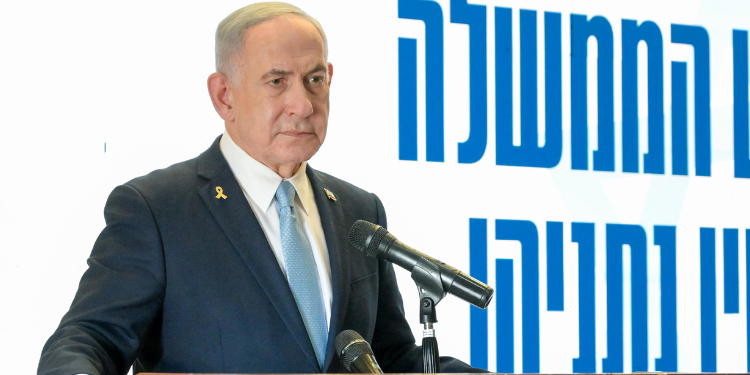
Israel Prime Minister Benjamin Netanyahu. Photo/Prime Minister Of Israel.

Israel Prime Minister Benjamin Netanyahu. PHOTO/Prime Minister of Israel.

FacebookTwitterLinkedInRedditWhatsApp
Advertisement

Israel’s conduct in Gaza increasingly risks turning the state into a pariah. Whereas world leaders initially rallied around Israel after the Oct. 7, 2023, massacre by Hamas militants, the resulting destruction inside the Palestinian enclave has seen the country ever more isolated on the international stage.

In recent weeks, even long-standing allies such as Germany, the U.K. and Australia have distanced themselves from the Israeli government, notably by pushing for recognition of Palestinian statehood.

As an Israeli scholar of the Middle East working in the U.S., I have seen how these international currents are affecting Israel’s standing in the world. And while the government of Prime Minister Benjamin Netanyahu has stood defiant and unmoved by the hardening stance against it, the blowback against its citizens is certainly being felt.

Images of Starvation

The change in attitude toward Israel has been unfolding since soon after the start of the war. It has been driven by Israeli actions that are increasingly seen as disproportionate and indefensible. But it has reached new heights – or lows – in recent months given the increasingly desperate plight of Palestinians being broadcast around the globe.

Horrifying images of starving children and thousands of people skirmishing for scraps of food in what a U.N.-backed body has called famine are now regularly reported in media outlets around the world and in the U.S. Even conservative platforms such as Fox News that until recently were sympathetic to Israel’s response to Oct. 7 have dedicated airtime to reporting on the hunger crisis and questioning its motives.

Increasingly, Israel’s onslaught on Gaza – which to date has killed at least 62,000 people, around half of whom are women and children, and left 70% of the strip in ruins – is being viewed through a critical lens.

Nearly two years after the attack that sparked the Israeli operation, the war aims of Israel are understood more and more as politically motivated, with the purpose being the political survival of Netanyahu and his government.

There is increasing international condemnation and sanctioning of some of the government’s more prominent members who are accused of using genocidal language against the Palestinians in Gaza and elsewhere.

Australia recently barred the entrance of one far-right Israeli parliamentarian, citing his violent and inflammatory language against Palestinians. The U.K. has sanctioned two members of Netanyahu’s government, Itamar Ben-Gvir and Bezalel Smotrich, for similar reasons.

Moreover, international organizations and scholars are increasingly framing the actions of the Israeli government as a whole in Gaza as genocide – and recently two Israeli human rights organizations have joined them.

Israeli Public Opinion

But to what extent are Israeli citizens being conflated with the Netanyahu government in international criticism?

Israeli public opinion polls tell a complex story of views on the war in Gaza. On one hand, Netanyahu’s government remains deeply unpopular among 70% of Israeli citizens, and a growing number of Israelis now fully believe that the prime minister is prolonging the war for his own political interests.

Such sentiment has seen an uptick in protests over the war. On Aug. 17, the country practically shut down during a widespread strike and demonstration against the government. Hundreds of thousands of people gathered in Tel Aviv in an unprecedented mass rally, calling for the end of the war and a ceasefire deal that would bring all hostages back.

Yet polls also show that a majority of Israelis remain either indifferent to the suffering of Palestinians in Gaza or are in support of it, as dehumanization of Palestinians is widespread among large swaths of Israeli society.

It seems that only recently cracks in this wall of indifference have emerged.


Also Read: Israeli PM Netanyahu Calls Australia Prime Minister ‘Weak’


Bans, Booing and Ostracism

The labeling of Israel as a pariah state internationally does not seem to bother the government.

Netanyahu insists that all the reporting about the humanitarian catastrophe in Gaza is fake news, orchestrated by Hamas and antisemitic forces around the world. Netanyahu has also responded to the moves by Western governments to recognize the Palestinian state by labeling their decisions as antisemitic.

But there are signs that international condemnation of the war in Gaza is affecting Israelis themselves – both at home and abroad.

Israelis and Israeli organizations from all walks of life are facing increased instances of anti-Israeli actions and sentiments.

The movement to boycott, divest and sanction Israel, known as BDS, has been in existence since 2005, but until the war in Gaza it had only limited success in generating wide support for its campaign. Now, 20 years after its establishment, the floodgates have seemingly been lifted and resulted in a deluge of boycotts and other actions that are slowly affecting almost every sector in Israel. To give one example, the British grocery chain Co-op earlier this year announced that it would stop sourcing Israeli produce at its 2,300 stores.

Israeli tourists in Greece have been targeted by pro-Palestinian demonstrations. And there are multiple reports of Israeli tourists being questioned or harassed elsewhere for their possible involvement in the war in Gaza.

There is pressure on FIFA to force Israel out of the global soccer organization, and matches involving Israeli teams in European capitals have been marred by violence by fans on both sides.

Meanwhile, a growing number of academics around the world are refusing to collaborate with their Israel peers. The EU is considering a move to block Israel from accessing its prestigious Horizon Europe research and innovation program. And Israeli artists are now regularly ostracized and disinvited from artistic events around the world, from music festivals to architecture exhibitions.

International cultural events that are scheduled to take place in Israel are now routinely modified or canceled, as just happened with the International Harp Competition, which had been scheduled for December 2025.

Meanwhile, the popular Eurovision Song Contest has now been a site of anti-Israeli demonstrations for the second year in a row.

This is despite Israeli fans of the event, hugely popular among the LGBTQ community, belonging predominantly to the progressive left-leaning camp in Israel – the very people most likely to be in opposition to the current government.

Israelis have responded to this challenge in multiple ways. Even prior to the mass demonstration on Aug. 17, tens of thousands of Israelis have protested the government for months on end, accusing Netanyahu and his far-right government for turning Israel into a pariah state.

Artists and academics have issued petitions, acknowledging Israeli’s responsibility for the humanitarian catastrophe in Gaza and calling for the end of the war.

Abroad, Israelis, who are known for being avid international tourists, are now traveling more to sites that are deemed less hostile to Israel. Many prefer not to disclose their Israeli identify.

Reservists and discharged soldiers are fearful of being arrested abroad after posting on social media about their military service in Gaza.


Also Read: Israel Is Deepening Its War in Gaza – Here Are 5 Big Questions About Netanyahu’s Ill-Advised Next Phase


Claims of Antisemitism

Yet Netanyahu, who is subject to an outstanding arrest warrant by the International Criminal Court, along with his far-right Cabinet, seem to be unmoved. The global isolation may even serve their narrow interests by putting Israel in this precarious situation and helping them mobilize their base around the argument that all anti-Israeli actions are motivated by antisemitism.

And while antisemitism is real and widespread, and some of it drives anti-Israeli actions, it is a far cry to argue that antisemitism – and not Israeli government policy – is the main reason for current global sentiments and actions against the country.

The government is particularly indifferent to areas that are considered “elitist” and that have been mainly affected by the global protest movement against Israel.

Members of the government and its supporters see Israeli academia or Israeli arts as fields filled with liberal leftists whose power should be curbed.

It is telling that when the Weitzman Institute, one of Israel’s most distinguished academic centers, was hit by an Iranian missile during the 12-day war in June, a popular far-right radio and TV anchor and supporter of the government tweeted: “God 1; Weitzman Institute 0.”

The suggestion was that God punished this globally renowned academic institution for its lack of support for the government.

The tweet was condemned by journalists and some members of the opposition but was endorsed and repeated on Channel 14, widely known as Netanyahu’s “house TV channel.” Government officials remained silent.

When this is the sentiment among the government and its supporters, why would they be bothered with the consequences to Israeli academia and indeed its citizens by Israel being increasingly seen as a pariah state?The Conversation

Asher Kaufman, Professor of History and Peace Studies, University of Notre Dame

This article is republished from The Conversation under a Creative Commons license. Read the original article.

Follow our WhatsApp Channel and X Account for real-time news updates.
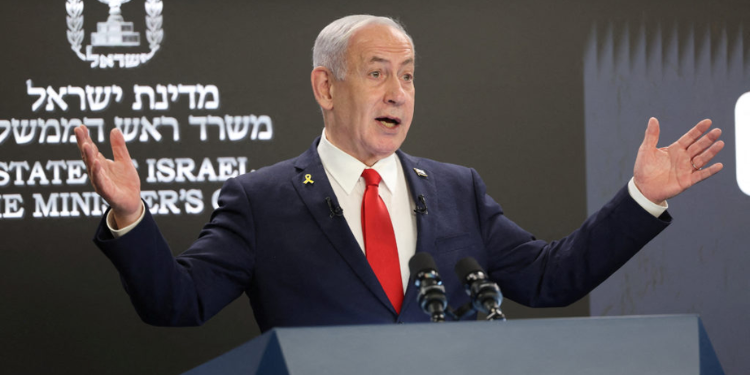
Israel Prime Minister Benjamin Netanyahu. Photo/Pbs News.
Israel Prime Minister Benjamin Netanyahu. PHOTO/PBS News.
Tags: IsraelNetanyahu
The Conversation

The Conversation

The Conversation is an independent news organization that publishes evidence-based articles written by experts to help readers understand diverse topics. We cover a wide range of areas including arts, culture, education, health, politics, science, and more¹. Their content is characterized by in-depth analysis, research, news, and ideas from leading academics and researchers. The Conversation aims to provide academic rigor with journalistic flair.

Related Posts

Iran Suspends U.s. Talks And Threatens Full Strait Of Hormuz Blockade Amid Escalating Regional Conflict

Iran Ends All Negotiations With US, Vows to “Completely” Block the Strait of Hormuz

June 1, 2026
Trump Administration’s Ebola Travel Restrictions Trigger Dispute With Who

Trump’s Ebola Plan Sparks Global Clash as WHO Rejects His Orders

May 31, 2026
Gulf Of Oman: Dramatic U.s. Strike Disables Defiant Cargo Ship In Powerful Naval Blockade Operation

U.S. Fires Hellfire Missile Into Ship Trying to Break Naval Blockade in Gulf of Oman

May 30, 2026
Bulgaria'S 30-Day Airbase Ultimatum Sparks Tension After U.s. Rejects Visa-Free Travel Bid

Bulgaria to USA: No Visa-Free Travel, No Airbase — NATO Ally Draws Line

May 30, 2026
ADVERTISEMENT

The Kenya Times Facebook

LATEST ARTICLES

  • Doctors Question Transparency of Trump’s Heart Test Results
  • Corazone Aquino: Kenyan Star Named After Philippines’ Former President
  • KMA Reveals How to Know Licensed Doctors After Deadly Kitale Surgery
  • Iran Ends All Negotiations With US, Vows to “Completely” Block the Strait of Hormuz
  • Wise vs Remitly vs Western Union: Best International Transfer in 2026
  • KDF Soldiers Take Charge as Protests Erupt in Nanyuki Over Ebola Quarantine Facility
  • End of an Era as Paris Lounge & Grill Rebrands, Kentwood Address Undergoes Renovation
  • Benny McCarthy Makes Changes to Harambee Stars Squad Days After Unveiling 24 Players
  • Ruto Delivers Weighty Apology During Madaraka Day Speech [FULL TEXT SPEECH]
  • Njeri Maina Explains Why President Ruto Can’t Be Impeached
  • Plane Crashes in Maasai Mara
  • How “And” Lost to “Or” in the Finance Bill 2026
  • Opinion | How New Taxes on Bank Card Transactions Charges Will Raise the Costs for Ordinary Kenyans if Adopted by Parliament
  • IEBC Releases Strict Guidelines for Ballot Box Mix-ups Ahead of Next Polls
  • Governor Nyong’o Announces Major Transfer of Functions Including Staff Restructuring
ADVERTISEMENT

Company

About Us

Our Authors

Our Experts

Social Media

Policies

Privacy Policy

House Rules

Standards and Policies

Terms and Conditions

Subscription

My Account

Contact Us

Contact Us

Join Our Team

Advertise With Us

© Copyright 2026 | The Kenya Times | All Rights Reserved

Welcome Back!

Sign In with Facebook
Sign In with Google
Sign In with Linked In
OR

Login to your account below

Forgotten Password? Sign Up

Create New Account!

Sign Up with Facebook
Sign Up with Google
Sign Up with Linked In
OR

Fill the forms below to register

All fields are required. Log In

Retrieve your password

Please enter your username or email address to reset your password.

Log In
Your Privacy and Cookies
We use cookies on our website to give you the most relevant experience by remembering your preferences and repeat visits. By clicking “Accept”, you consent to the use of ALL the cookies.
Do not sell my personal information.
Cookie settingsACCEPT
Privacy & Cookies Policy

Privacy Overview

This website uses cookies to improve your experience while you navigate through the website. Out of these cookies, the cookies that are categorized as necessary are stored on your browser as they are essential for the working of basic functionalities of the website. We also use third-party cookies that help us analyze and understand how you use this website. These cookies will be stored in your browser only with your consent. You also have the option to opt-out of these cookies. But opting out of some of these cookies may have an effect on your browsing experience.
Necessary
Always Enabled
Necessary cookies are absolutely essential for the website to function properly. This category only includes cookies that ensures basic functionalities and security features of the website. These cookies do not store any personal information.
Functional
Functional cookies help to perform certain functionalities like sharing the content of the website on social media platforms, collect feedbacks, and other third-party features.
Performance
Performance cookies are used to understand and analyze the key performance indexes of the website which helps in delivering a better user experience for the visitors.
Analytics
Analytical cookies are used to understand how visitors interact with the website. These cookies help provide information on metrics the number of visitors, bounce rate, traffic source, etc.
Advertisement
Advertisement cookies are used to provide visitors with relevant ads and marketing campaigns. These cookies track visitors across websites and collect information to provide customized ads.
Others
Other uncategorized cookies are those that are being analyzed and have not been classified into a category as yet.
SAVE & ACCEPT
LOGIN | REGISTER
  • Login
  • Sign Up
  • Cart
No Result
View All Result
  • News
    • Latest News
    • Breaking News
    • Investigations
    • Explainers
    • Fact Check
  • Politics
    • Global Politics
    • Conflicts & Security
    • Elections
    • Diplomacy
    • Government & Policy
    • Political Analysis
  • Business
    • Global Economy
    • Markets
    • Technology
    • Startups
    • Energy
    • Finance
  • World News
    • Americas
    • Asia
    • Asia Pacific
    • Africa
    • Europe
    • Middle East
  • Africa
    • East Africa
    • West Africa
    • Southern Africa
    • Central Africa
  • Health
    • Global Health
    • Public Health
    • Health Policy
    • Medical Research
    • Diseases & Conditions
    • Mental Health
    • Nutrition
    • Climate & Health
    • Health Explainers
  • Sports
    • Athletics
    • Basketball
    • Boxing
    • Cricket
    • Football
    • Formula 1
    • Golf
    • Rugby
  • Weather
    • Climate Business
    • Climate Change
    • Climate Solutions
    • Living Green
  • Culture
    • Arts
    • Film & TV
    • Food
    • Lifestyle
    • Music
    • Travel
  • Opinion
    • Editorials
    • Letters
  • Behind The Brand
  • Contact Us

Not enough quota to unlock this post
Unlock left : 0
Are you sure want to cancel subscription?