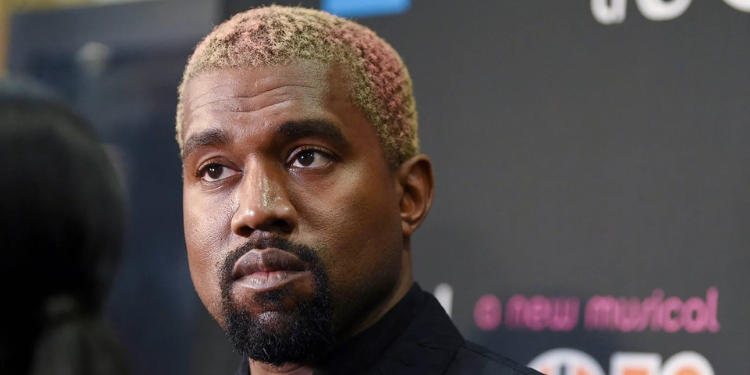
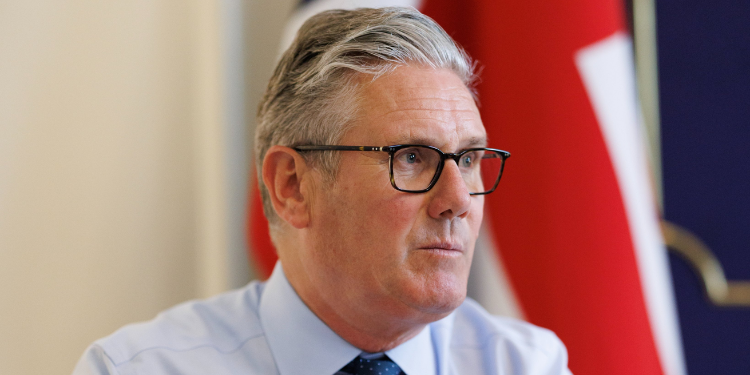
Prime Minister Keir Starmer has issued a strong public statement after the UK government blocked rapper Kanye West, now known as Ye, from entering Britain, a decision that led to the cancellation of this summer’s Wireless Festival in London.
In a statement released on April 7, Starmer said the artist should never have been booked to headline the event and underlined the government’s position on antisemitism and public safety.
The decision, confirmed by the Home Office, followed days of mounting political pressure, sponsor withdrawals, and criticism from Jewish organizations over West’s record of antisemitic remarks and actions.
“Kanye West should never have been invited to headline Wireless. This government stands firmly with the Jewish community, and we will not stop in our fight to confront and defeat the poison of antisemitism. We will always take the action necessary to protect the public and uphold our values,” read part of the statement by the UK PM.
West had been due to perform across three nights at Finsbury Park in July, marking his first UK appearances in more than a decade.
Starmer Condemns Kanye West’s Booking
The prime minister had already criticized the festival booking days earlier, describing it as deeply concerning given West’s past praise of Adolf Hitler, the release of a song titled Heil Hitler in 2025, and the sale of merchandise featuring Nazi symbols.
Those actions reignited international controversy around the artist, who has previously had business ties cut by Adidas, Balenciaga, and other major brands.
Also Read: Tucker Carlson Flags White House Easter Event He Says Risks Nuclear War
Political figures from all sides supported blocking his entry.
Liberal Democrat leader Ed Davey publicly called for an outright ban, while Labour MPs urged the Home Office to act if an application was made.
London Mayor Sadiq Khan said West’s comments and actions were offensive and incompatible with London’s values.
The government’s decision triggered the immediate cancellation of Wireless Festival 2026. Organizers confirmed that all ticket-holders would receive refunds and acknowledged the damage caused by the controversy.
In a public statement, the festival said antisemitism in all its forms was abhorrent and recognised the impact the episode had on affected communities.
Major sponsors had been withdrawing even before the entry ban was confirmed.
Pepsi, the festival’s headline sponsor, and drinks giant Diageo both cut ties following criticism of the booking. Other commercial partners followed, leaving the event financially unviable.
Jewish community organisations welcomed the government’s action.
The Community Security Trust said the decision was a sensible outcome after a bruising period for British Jews, while the Campaign Against Antisemitism said the move showed the government was willing to back its words with action.
West had issued statements suggesting he wanted to demonstrate personal change and offered to meet members of the UK Jewish community.
He said he hoped to use his London appearance as a gesture of reconciliation. Those overtures did not alter the government’s view.
Antisemitism in the UK
Antisemitism in the UK has remained at historically high levels in recent years.
The Community Security Trust recorded 3,528 antisemitic incidents in 2024, the second-highest total ever recorded, despite an 18% fall from the 2023 record year.
More than half of those incidents were linked to the conflict in the Middle East, reflecting a consistent pattern in which tensions abroad trigger attacks, abuse, and threats against British Jews.
Police data shows antisemitic hate crimes more than doubled across England and Wales in 2023–24, signifying the scale and persistence of the problem.