Qatar has led a wave of Arab condemnation after an Israeli minister stormed Al Aqsa Mosque, Islam’s third-holiest site, under heavy police protection, triggering regional outrage and renewed warnings over violations at Jerusalem’s sacred compound.
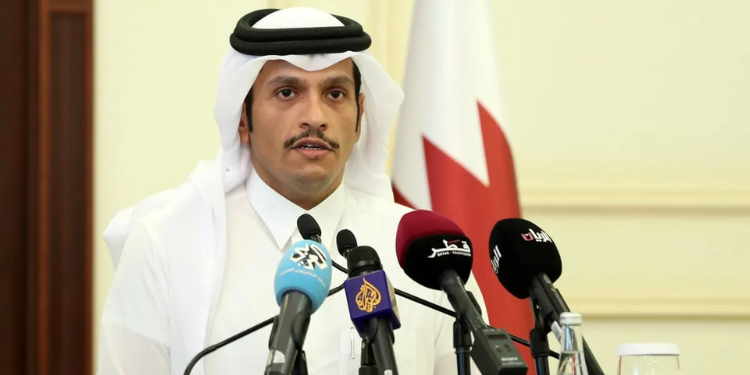
In a public announcement on April 6, the Qatari Ministry of Foreign Affairs said the incident constituted a serious provocation and a clear breach of international law, holding Israeli authorities responsible for actions that threaten the religious and historical status of Al Aqsa.
Qatar said the move inflamed Muslim sentiments worldwide and risked further destabilising the region.
“The Ministry of Foreign Affairs affirms Qatar’s categorical rejection of attempts to undermine the religious and historical status of Al Aqsa Mosque,” read part of the statement by the Qatari Ministry of Foreign Affairs.
Qatar Slams Israel’s Actions in Palestine
Qatar said the Israeli minister entered the compound accompanied by occupation police, restricting worshippers’ access and disrupting normal prayers at the mosque complex.
The ministry stated that such actions violate international humanitarian law and obligations concerning occupied Jerusalem and its holy sites.
The statement reaffirmed Qatar’s strong rejection of any efforts to change the status quo at Al Aqsa Mosque and warned against ongoing attacks on Islamic and Christian holy sites in Jerusalem.
Also Read: Arab Nation Vows Full Support for Any U.S.-Led Hormuz Opening Operation
It called on Israel to halt what it described as repeated violations and provocations at the sacred compound.
“The Ministry reiterates Qatar’s unwavering position on the just cause of Palestine and the legitimate rights of the brotherly Palestinian people, including their full right to practice their religious rites without restrictions and to establish their independent state within the 1967 borders, with East Jerusalem as its capital,” read part of the statement by the ministry.
Qatar said it would continue to coordinate with Arab and Islamic partners to confront what it called systematic Israeli violations against Jerusalem’s holy sites and to support diplomatic and legal efforts aimed at protecting their status.
Al Aqsa Mosque and Recent Attacks on Prayer Sites
Al Aqsa Mosque has remained at the center of the ongoing war, with repeated Israeli actions targeting the site during periods of heightened regional conflict.
Situated in East Jerusalem, which is under occupation, the mosque is Islam’s third holiest site and an important place of worship for Palestinians.
Also Read: Trump Calls North Korea’s Nuclear Weapons an American Failure
Since the start of the war, access to Al Aqsa has been repeatedly restricted, with Israeli forces imposing closures, arresting mosque guards, and limiting worshippers, especially during religious occasions.
In recent months, Israeli police have conducted several raids inside the Al Aqsa compound, including arrests of Islamic Waqf staff and storming prayer halls during prayer times.
During Ramadan in 2026, Israeli authorities closed the mosque for several days, blocked thousands of worshippers from entering, and used batons, stun grenades, and tear gas against Palestinians praying outside the Old City walls after being denied access.
Israeli forces have also escorted senior ministers and settler groups into the compound under heavy security.
These visits have coincided with the interruption of prayers and the removal of worshippers from the site.
In one of the most recent incidents, Israeli police entered the compound during evening prayers, detained mosque staff, and imposed age and permit restrictions on worshippers.
Beyond Jerusalem, Israeli attacks on prayer sites have spread throughout Gaza during the conflict, with air strikes destroying mosques where civilians sought safety and refuge.
Religious sites have been damaged or become inaccessible, disrupting regular worship and community religious life.
Al Aqsa remains under heightened security, with ongoing warnings from regional actors that further violations could trigger wider unrest.