
United States Secretary of State Marco Rubio has publicly backed President Donald Trump in criticizing leaders from Europe over their refusal to support the ongoing war against Iran.
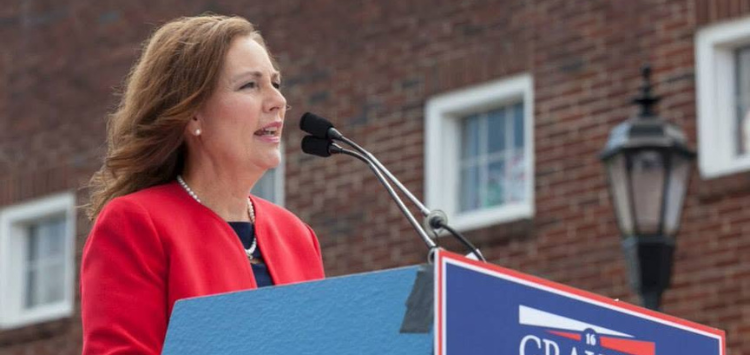
Rubio, while speaking on Thursday, March 28, as he departed the U.S. for a G7 Foreign Ministers’ meeting in France, criticized NATO for not being more involved in efforts to reopen the Strait of Hormuz, and argued that the same logic should apply to U.S. involvement in Ukraine.
The secretary said several European leaders had privately dismissed the Iran conflict as irrelevant to them.
“A couple of leaders in Europe said this wasn’t Europe’s war,” Rubio said. “Well, Ukraine is not America’s war, but we are contributing more than anyone else.”
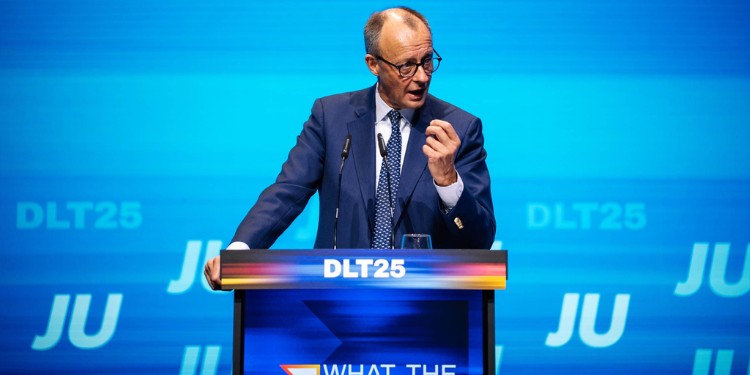
His remarks come amid rising tensions between Washington and European capitals following statements by German Chancellor Friedrich Merz distancing Germany from the Iran war.
Trump responds to Germany
Speaking earlier during an open cabinet meeting, President Trump sharply criticized Merz after the German leader said Berlin does not consider the Iran conflict its responsibility.
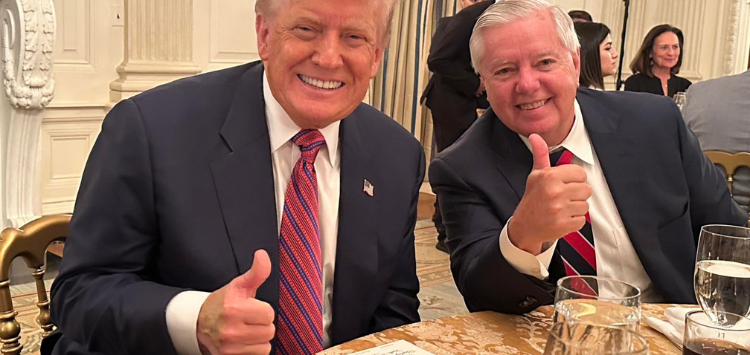
“When I heard the head of Germany say, ‘this is not our war’ about Iran, I said: ‘Well, Ukraine’s not our war… we helped, but Ukraine’s not our war,’” Trump said.
Also Read: US Navy Denies Claims That Injured Sailor Was Hit by the Iranian Military
The U.S. president added that while Washington has supported Kyiv, the conflict does not directly impact the United States.
“It doesn’t affect us, because we are thousands of miles away,” he said.
Trump also pointed to what he described as “tremendous hatred” between President Volodymyr Zelenskyy and Vladimir Putin, while expressing cautious optimism that a resolution remains possible.
The president said he was “disappointed” in NATO over what he said was a lack of support.
“Because this was a test for NATO. You can help us, you don’t have to, but if you don’t have – you know, if you don’t do that, we’re going to remember. Just remember. Remember this in a number of months from now, remember my statements,” he added.
Germany and its European allies have taken a markedly different stance on Iran compared to Ukraine, emphasizing diplomacy and non-involvement.
Merz said earlier this month that Germany “is not part of the war against Iran and does not want to become part of it,” stressing that Berlin’s focus remains on ending the conflict through political means.
He also criticized Washington for launching the military campaign without consulting European partners.
“Washington did not consult us. We would have advised against it,” Merz said.
Europe delcares stance on Iran war amid strategic tensions
At a recent EU summit in Brussels, leaders called for de-escalation and respect for international law, reinforcing Europe’s reluctance to join the war effort.
The dispute comes as reports suggest the U.S. is reassessing its military priorities across multiple conflict zones.
Also Read: Panic as Trump Is Warned of Severe Consequences for American Lives Over Massive Iran Bombing Plan
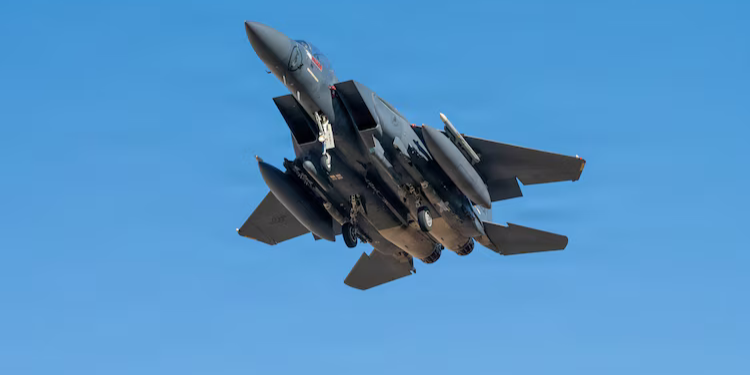
Trump confirmed that Washington has, at times, redirected military resources — including weapons originally intended for Ukraine — to the Middle East.
Meanwhile, Russia has reportedly proposed halting intelligence-sharing with Iran in exchange for the U.S. reducing its support to Ukraine. The offer was also reportedly rejected by Washington.
Despite its refusal to join the war, Germany signaled it may play a role in safeguarding global trade routes after hostilities end.
Merz said Berlin could consider participating in efforts to secure navigation in the Strait of Hormuz, a critical corridor for global energy supplies, but only under the right conditions.