Federal immigration authorities ICE, have detained more than 6,300 children under the age of 18 during the first months of President Donald Trump’s second term, with nearly 97 percent having no criminal record, according to data referenced in congressional briefings and reporting by CBS News.
A significant portion of these children, nearly half, have been held at the South Texas Family Residential Center in Dilley, Texas, the largest family detention facility operated under contract with ICE.
The facility, originally opened in 2014 under the Obama administration, was closed during the Biden years and reopened in 2025 as part of expanded interior enforcement and family detention policies.
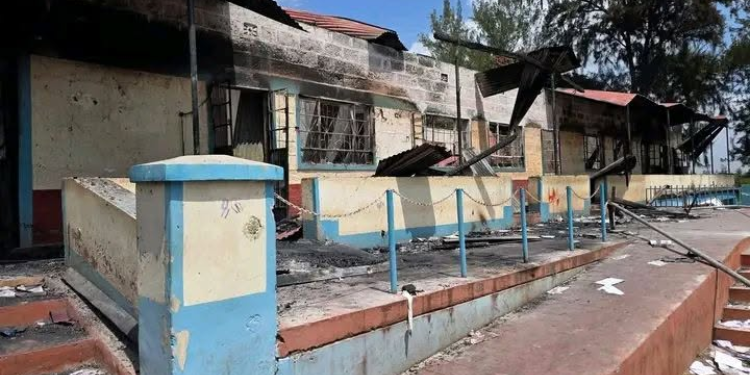
Conditions at Dilley have drawn sharp criticism from Democratic lawmakers, immigrant rights advocates, and attorneys.
Families and their legal representatives report inadequate food and drinking water, unsanitary conditions, 24-hour lighting that disrupts sleep, limited educational programming for children, and prolonged detention periods that allegedly violate the terms of the 1997 Flores Settlement Agreement.
That agreement generally requires the government to release children from detention to the least restrictive setting as promptly as possible, often interpreted by courts as within about 20 days.
Rep. Joaquin Castro (D-Texas), who has visited Dilley multiple times in 2026, described the facility as functioning like a “trailer prison.” During a recent visit, Castro said young children approached him asking to be released.
Also Read: Supreme Court Rebukes Appeals Court in Unanimous 9-0 Immigration Ruling
“These kids, they’re hugging my leg and they’re asking me to get ‘em outta there,” he told CBS News. “I mean, they are four years old, six years old.”
One high-profile case involves a Congolese asylum-seeking family. Carine and her children, Joel (17), Estafania, and Olivia (19), fled political persecution in the Democratic Republic of the Congo. After entering the U.S. in 2022 and complying with immigration check-ins, they were ordered deported in 2025.
Following a failed attempt to reach Canada, the family was detained at Dilley in November 2025. The mother and younger children were released in March 2026, but Olivia remained until early May, spending nearly six months in custody before reuniting with her family in Maine.
Their attorney, Elora Mukherjee of Columbia University’s Immigrants’ Rights Clinic, stated the family passed initial vetting and posed no threat. “If they did not leave the DRC, chances are they would not be alive,” she said.
Official Response
The Department of Homeland Security and contractor CoreCivic strongly deny allegations of substandard conditions.
Also Read: Pope Leo XIV Fires Back at Trump’s Immigration Policy
In statements provided to CBS News, DHS described reports of poor conditions as “hoaxes” and said the facility meets federal standards, undergoes regular audits and inspections, and provides dietician-approved meals, filtered drinking water tested by local authorities, comprehensive medical and mental health care, and educational activities for children.
CoreCivic emphasized that staff consume the same food and water, that pediatric and trauma-informed care is available, and that religious dietary needs are accommodated.
The company offered a virtual tour of the facility and pointed to recent comments by Democratic Rep. Henry Cuellar, who visited and addressed some of the concerns.

DHS noted that parents in custody may choose to be removed with their children or designate a caregiver.
The administration has argued that family detention is necessary to enforce immigration law, prevent absconding, and deter illegal entries and fraudulent asylum claims.
The White House 2027 budget proposal requests funding for 30,000 additional family detention beds. The Flores Settlement remains in effect after courts rejected administration efforts to terminate it.
Immigration enforcement officials maintain that many detained families entered or remained in the country illegally or failed to comply with final removal orders.