Members of Parliament have opened a fresh push to resolve long-standing school fee arrears, calling for possible waivers while warning principals against withholding KCSE certificates from former students over unpaid fees.
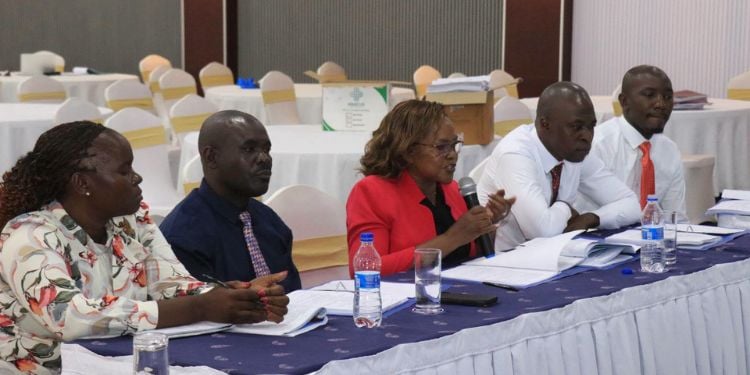
On September 3, the National Assembly Public Investments Committee on Governance and Education questioned school administrators over financial management at national schools.
Kenya’s national schools are facing new scrutiny over the management of public funds after Parliament raised concerns about excess textbooks, long-standing fee arrears, school borrowing and procurement practices.
The concerns arose during the committee’s review of Auditor-General reports for the 2020/21 to 2024/25 financial years at a retreat in Kisumu.
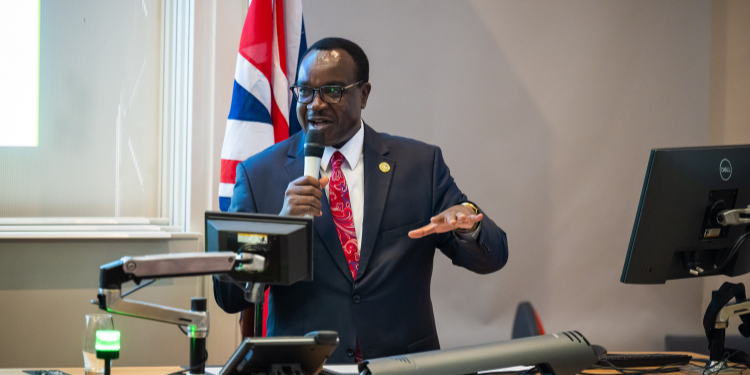
Chaired by Luanda MP Dick Maungu, the committee questioned school heads over how public resources were being managed in some of the country’s leading national schools.
Principals and senior administrators from schools including Ng’iya Girls High School, Maseno School, Maranda Boys High School, Kisumu Girls High School and Chavakali Boys High School appeared before the MPs.
MPs Seek Waiver for Old School Debts
Lawmakers have pushed for possible waivers of long-standing school fee arrears after discovering that some national schools are carrying millions of shillings in unpaid fees dating back to 2010 and 2015.
Committee chair Dick Maungu argued that the schools should compile schedules of the old arrears and submit them to the Ministry of Education for consideration, with cases that may qualify for a waiver processed through the relevant government departments.
“A matter came out that schools have millions of shillings which are collected, and you find some of them date back to 2015 or 2010,” Maungu said.
The committee also cautioned principals against withholding KCSE certificates from former students over unpaid fees, particularly where the documents are needed for university, college or employment applications.
Maungu explained that schools should continue pursuing legitimate debts but should not use examination certificates to compel payment.
“We have advised them that they don’t need to hold a certificate for the learner because this student wants to join university or college. On the other hand, they need to have this money paid,” Maungu stated.
Additionally, the committee noted that some arrears were also linked to delayed government capitation, which Maungu said had added pressure to school finances.
Maungu further called on the government to release capitation on time to reduce the financial pressure facing school administrators.
Also Read: Principals Reveal What Schools Are Actually Receiving in Capitation
National Schools Textbook Distributions
The committee also raised questions over the distribution of learning materials after discovering that some schools had received hundreds of textbooks beyond their requirements.
Maungu said the committee had identified cases involving schools that received 400 and 506 additional books, prompting questions about whether textbook allocation was based on accurate, up-to-date enrolment figures.
“We have seen a school that received 400 and 506 extra books; the question is, when you receive extra numbers, does it mean there is a school somewhere that does not have books?” Maungu questioned.
Following the textbook distribution concerns, the committee plans to summon the Kenya Institute of Curriculum Development (KICD) to explain how textbooks are allocated and why some schools receive supplies beyond their requirements.
In addition, the committee also wants to establish whether schools in marginalized and remote areas like Mandera and Turkana are receiving their fair share of learning materials, citing that accurate enrolment data should guide the distribution of books across the country.
Committee Questions: School Loans
School borrowing also came under scrutiny, with the committee questioning how public schools obtain commercial loans for construction and other projects.
Ng’iya Girls High School was cited over a bank loan of about KSh50 million secured for a project estimated at approximately KSh150 million.
Although the committee was informed that the loan had since been cleared, Maungu questioned whether the school had obtained the necessary approvals from the Ministry of Education and the National Treasury before taking the facility.
He warned against allowing school administrators to borrow without proper controls.
The committee is expected to make recommendations to Parliament on borrowing by public schools and the approvals required before institutions take on major financial obligations.
Also Read: Ministry Issues Timeline for Secondary School ID Registration Ahead of National Exams
Procurement Practices Face Scrutiny
The committee also questioned procurement practices in some national schools, particularly the failure of some institutions to employ qualified procurement officers.
Maungu noted that national schools are public institutions and must comply with the Public Procurement and Asset Disposal Act when purchasing goods and services.
He argued that schools should have qualified procurement specialists to ensure that procurement processes comply with the law and provide value for public money.
For smaller schools that may not have the resources to employ full-time procurement officers, the committee proposed that the Ministry of Education provide procurement support through its sub-county structures.
Follow our WhatsApp Channel and X Account for real-time news updates