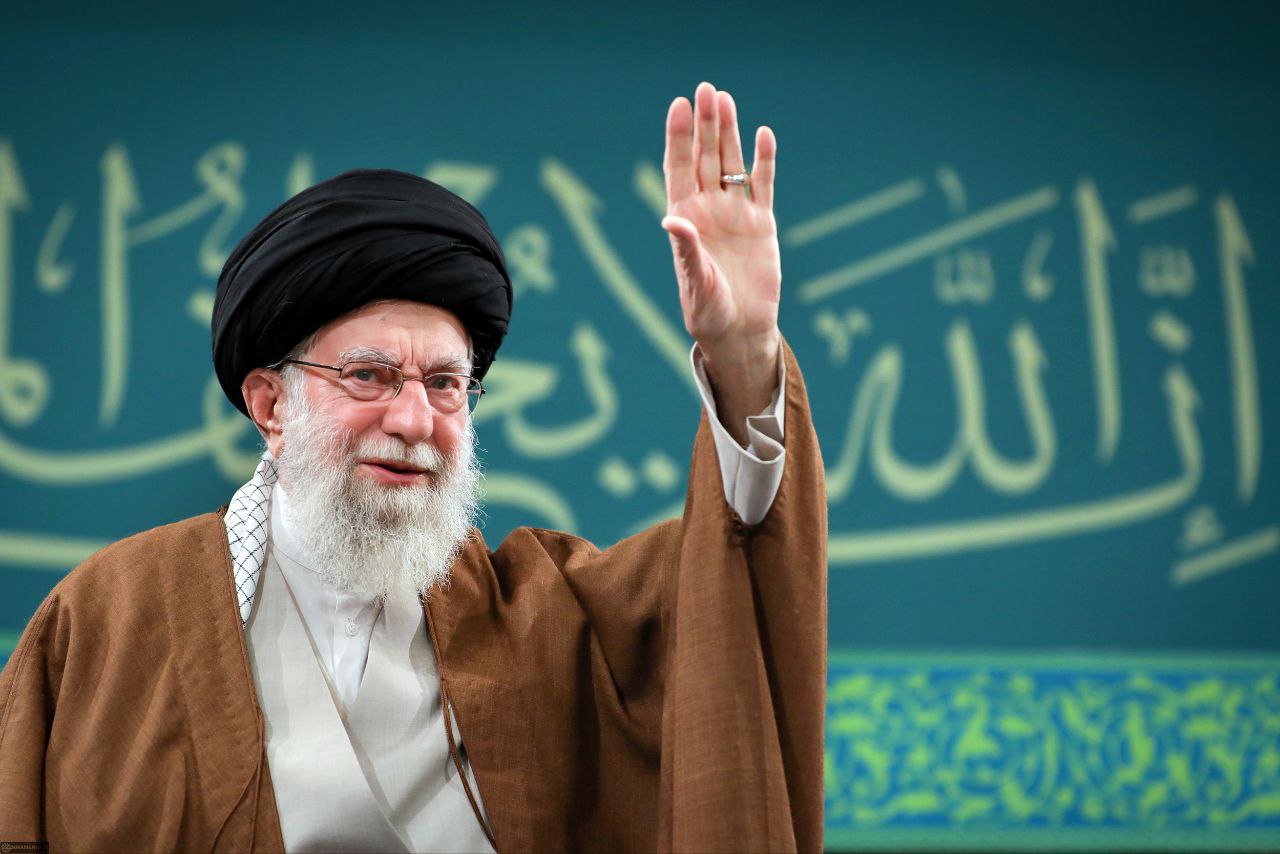
Iran’s new Supreme Leader, Mojtaba Khamenei, said in a written message broadcast on state television on Thursday, April 9, that Iran will demand compensation for every bit of damage from the war, including for the blood of those killed and the suffering of the wounded.
The message came exactly 40 days after his father, Ayatollah Ali Khamenei, was killed on February 28 in the opening strikes of the U.S.-Israeli war on Iran.
“We will certainly not leave the criminal aggressors who attacked our country unpunished,” Mojtaba Khamenei said, according to reports from Iranian state media and outlets that carried the broadcast.
“We will demand compensation for every single damage inflicted, for the blood of our martyrs, and for the suffering of the wounded in this war.”
He made the point while Iran and the United States are in a fragile two-week ceasefire that could open the way to talks.
The younger Khamenei told Iranians that public pressure still matters even as the country prepares for highly awaited talks that could bring the war to an end.
Also Read: Trump Issues Warning After Reports Iran Is Charging Tanker Fees in Strait of Hormuz
“Do not imagine that taking to the streets is no longer necessary,” he said. “Your voices in public squares are undoubtedly influential in the outcome of the negotiations.”
The language about blood and compensation echoes earlier statements from Mojtaba Khamenei since he took over.
In his first public message after his father’s death, he vowed Iran would not refrain from avenging the blood of the martyrs and would seek payment from the U.S. and Israel for the losses, or take equivalent assets or destroy them if refused.
Mojtaba Khamenei is against the war.
State TV read the latest message as Iran also signaled it does not want war but will not give up what it calls its legitimate rights.
He addressed Gulf neighbors directly, urging them to see events as a “miracle,” distance themselves from “arrogant powers,” and give a proper response so Iran can show brotherhood.
He added that management of the Strait of Hormuz will move into a new phase. It should be noted that the Strait was opened to ships as part of the ceasefire agreement.
Al-Jazeera reported that at least 6 ships managed to sail through the Strait on Thursday. Earlier in the day, President Trump issued a warning to Iran after reports emerged that ships were being charged before being allowed to pass through.
“There are reports that Iran is charging fees to tankers going through the Hormuz Strait — They better not be, if they are, they better stop,” Trump warned, adding “Iran is doing a very poor job, dishonorable some would say, of allowing Oil to go through the Strait of Hormuz. That is not the agreement we have.”
Also Read: Trump Signals Another Incoming War as His Ceasefire with Iran Falls Apart
As it stands, it seems the assassination of Ali Khamenei on the first day of the conflict, along with other senior figures, is still a raw wound for the regime.
Mojtaba Khamenei has repeatedly tied the demand for compensation and accountability to those deaths and the wider casualties.
How Iran plans to press for compensation remains unclear in detail. It is unclear whether charging ships before granting them passage through the Strait of Hormuz is part of the competition Iran is referring to.
Meanwhile, the ceasefire remains fragile, especially with the ongoing Israeli actions in Lebanon, which are outside the U.S.-Iran pause, and both sides have laid out very different ideas for what any final deal should look like.
On Wednesday, reports said Iran was preparing to attack Israel in response to their strikes against Hezbollah. Israeli officials said they were ready for any scenario and were prepared to respond accordingly.