Russia has finally weighed in on the paralyzed Strait of Hormuz, insisting that only negotiations, not military muscle, can restore safe passage for commercial shipping through the vital waterway now largely shut down by Iranian threats and attacks.
On Wednesday, March 18, Russia, through its Foreign Ministry spokeswoman Maria Zakharova, said Moscow believes “the return of shipping traffic through the Strait of Hormuz will only be achieved through negotiations.”
Her comments mark Russia’s most direct public statement yet on the maritime crisis that has crippled global oil flows since the U.S.-Israeli war against Iran intensified more than two weeks ago.
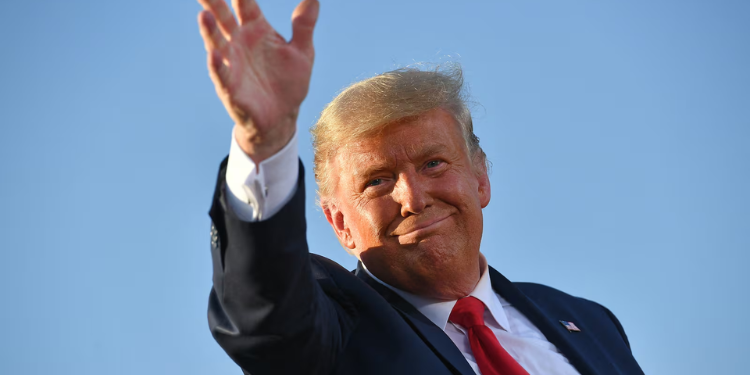
Russia is issuing this statement just days after the U.S. President Donald Trump ramped up pressure on allies to send warships and help escort tankers past Iranian forces.
In recent days, Trump has repeatedly demanded that NATO partners, as well as major oil importers such as Japan, South Korea, China, Britain, and France, join a coalition to reopen the strait.
The U.S President argued the U.S. shouldn’t shoulder the burden alone since America is now largely energy-independent.
However, Trump’s appeals have mostly fallen flat, with key allies refusing to comply. For instance, Germany called it “not our war.” Britain stressed diplomacy over escalation. Japan and Australia offered no firm commitments. France, on the other hand, has remained vague.
Also Read: Germany Refuses Trump’s Call to Secure Strait of Hormuz
Even as oil prices hover near $100 a barrel and gasoline costs bite consumers worldwide, few nations have stepped forward with naval assets as requested by Trump.
Russia’s stance shows a clear divergence from the U.S. approach over the matter. While Trump has floated unilateral U.S. escorts and warned reluctant allies that inaction could damage NATO’s future, Russia is framing the solution as diplomatic rather than confrontational.
Moscow has consistently condemned the U.S. and Israeli strikes as the root cause of the escalation. It has been urging an immediate halt to hostilities and positioned itself as a potential mediator ready to help broker a settlement.
The strait, through which roughly one-fifth of global oil and significant liquefied natural gas normally flow, has seen commercial traffic drop to near zero.
Iranian forces, including the Islamic Revolutionary Guard Corps, have issued warnings against transits and carried out multiple attacks on vessels, killing crew members and forcing major shipping companies like Maersk to suspend operations entirely.
Tankers now cluster on either side of the narrow chokepoint, waiting out the risks or rerouting at enormous extra cost.
Russia’s stance comes as it quietly benefits from the chaos. With Gulf supplies choked off, demand for Russian crude has surged from buyers in India and China.
U.S. sanctions on Russian oil have eased in practice to prevent a total energy meltdown, pushing Urals crude prices sharply higher and delivering Moscow an estimated windfall of billions in extra revenue this month alone.
Also Read: How Trump is Handing Iran $140Million a Day Despite the Intensifying War
This is not the first time Russia has advocated for talks. Zakharova has previously called for Washington and Tel Aviv to stop strikes and return to talks, warning of humanitarian fallout and risks to regional stability, including near Iran’s Bushehr nuclear plant, where Russia has workers and long-standing ties.
On the other side of the coin, Trump is pushing for a show of force from partners to counter Iran militarily. The U.S. President believes that long-lasting peace can be achieved by the use of force.
For now, the Strait remains a flashpoint. Shipping stays suspended, prices stay elevated, and the war grinds on with no clear off-ramp.
Russia’s call for talks may not sway the battlefield, but it clearly shows how isolated the push for armed escorts has become on the global stage.