Supreme Court is facing renewed scrutiny after claims in a forthcoming book alleged that some justices mistreat their clerks, with one named as “emotionally abusive,” according to accounts attributed to former staff members.
Book Details Allegations From Former Clerks
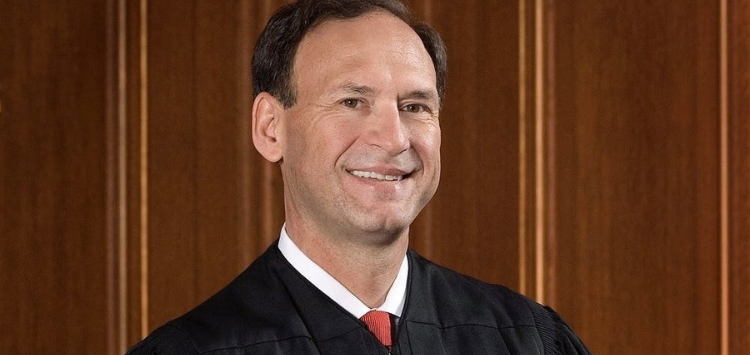
In her upcoming book, Alito: The Justice Who Reshaped the Supreme Court and Restored the Constitution, author Mollie Hemingway says she interviewed more than 100 former clerks and staff. The book centers on Samuel Alito but includes broader descriptions of working conditions inside the court.
According to Hemingway, several former clerks described Elena Kagan as “emotionally abusive” and “demeaning.” One account cited in the book claimed that “Kagan’s clerks had fear in their eyes,” based on what a clerk for another justice reported.
The book also alleges that Kagan’s behavior could shift sharply, with some clerks comparing her demeanor to “Dr. Jekyll and Mr. Hyde.” Another former staff member likened her management style to that attributed to Amy Klobuchar in past media reports about staff treatment.
Hemingway further claims that Sonia Sotomayor treated some permanent staff dismissively, alleging instances where staff were asked to perform personal tasks such as carrying bags.
Contrasting Accounts of Other Justices
The book contrasts these claims with more positive descriptions of other members of the court. Hemingway writes that Clarence Thomas is widely regarded as respectful toward staff, noting that he makes an effort to know employees personally and maintain relationships with them.
Also Read: Trump Fires Back at Iran, Accusing Them of Repeated Ceasefire Violations
Regarding Alito, the focus of the book, Hemingway describes him as reserved but kind toward clerks and staff. She writes that many who worked with him appreciated his sense of humor and approachability.
The author maintains that most justices have professional relationships with their clerks, describing the negative accounts as exceptions rather than the norm. Law clerks at the Supreme Court are typically selected through a competitive process.
The Supreme Court did not immediately respond to requests for comment by Daily Mail, and representatives for the justices named in the allegations were also contacted but had not publicly addressed the claims at the time of publication.
Leak Fallout and Internal Tensions
The book also revisits the fallout from the 2022 leak of a draft opinion in the case that overturned Roe v. Wade. The draft, authored by Alito, was disclosed before the court issued its final ruling, an unprecedented breach of confidentiality.
Hemingway writes that the leak triggered internal tensions and security concerns. She claims justices faced threats following the disclosure and that there were delays in finalizing the decision.
In one account, she alleges that “the liberals knew that, and they delayed their dissent for nearly two months,” referring to internal court dynamics during that period. The claims have not been independently verified in official court records.
Also Read: Trump’s Blunder That Derailed Near Iran Peace Deal
The book further criticizes the response from the Justice Department at the time, stating that justices were frustrated by what they viewed as limited support amid security threats.
Why This Matters
The allegations raise questions about workplace conditions within one of the most influential judicial institutions in the United States. Clerks play a key role in legal research and drafting opinions, making their working environment significant to how the court functions.
If substantiated, claims of mistreatment could prompt calls for greater oversight of internal practices, even within institutions that traditionally operate with a high level of confidentiality.
Public Trust in the Court
The disclosures also come at a time when public confidence in the Supreme Court has been closely watched, particularly following major rulings and internal controversies. Allegations of internal conflict and staff treatment may add to broader debates about transparency and accountability within the judiciary.