The Supreme Court is preparing to hear a landmark case that could end automatic birthright citizenship for children of illegal immigrants and temporary visa holders, marking a potentially difficult turn for immigrant families in the United States.
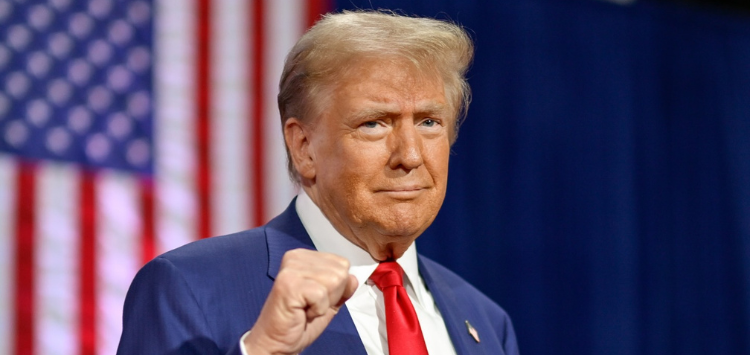
President Donald Trump signed an executive order on his first day in office, January 20, 2025, directing federal agencies not to recognize U.S. citizenship for children born in the country after a 30-day period if their mother was in the United States unlawfully or on temporary status and the father was not a U.S. citizen or lawful permanent resident.
The order has not taken effect because lower courts blocked it.
Lower courts ruled the order unconstitutional. The administration asked the Supreme Court to take up the case after those rulings.
The justices agreed in December 2025 to hear Trump v. Barbara. Oral arguments are set for April 1, 2026. A decision is expected by late June or early July 2026.
Trump’s Case Against Automatic Birthright Citizenship
The Trump administration argues that the Citizenship Clause “All persons born or naturalized in the United States, and subject to the jurisdiction thereof, are citizens of the United States”, does not cover children of illegal immigrants or temporary visitors.
Also Read: Trump Explains Why He’s Ending Birthright Citizenship
The administration says the clause was written after the Civil War to grant citizenship to newly freed slaves and their children. It points to the phrase “subject to the jurisdiction thereof” as the key limit.
Illegal immigrants and those on temporary visas, the government says, do not owe full allegiance to the United States in the same way as citizens or lawful permanent residents.
The brief states that an expansive reading has encouraged illegal entry and birth tourism. The United States is one of about 30 countries that grant citizenship solely by place of birth without restrictions.
The United Kingdom changed its rules in 1983 to add requirements.
Estimates from the Center for Immigration Studies put the number of children born to illegal migrant parents in the U.S. in 2023 at 225,000 to 250,000. Another 70,000 were born to temporary visitors.
The order applies only to births after the effective date. It does not affect anyone already granted citizenship.
Opponents’ Arguments and Precedent
Opponents, including groups that filed class-action lawsuits after earlier court action, say the order rewrites the Constitution.
They point to the 1898 Supreme Court decision in United States v. Wong Kim Ark. That case held that a child born in the United States to Chinese parents who were lawful residents was a citizen, even though the parents could not become citizens under the Chinese Exclusion Act.
Challengers say the ruling and long-standing practice confirm that citizenship at birth applies regardless of parental immigration status, with narrow exceptions such as children of foreign diplomats.
Also Read: Uproar as New Bill Demands Universities Report All Illegal Immigrants to the Government
The administration counters that Wong Kim Ark involved parents with permanent domicile in the United States, a fact mentioned repeatedly in the opinion, and did not decide the question for illegal entrants or temporary visitors.
In June 2025, the Supreme Court ruled in a related case, United States v. CASA, that lower courts had gone too far in issuing universal injunctions that blocked the executive order nationwide. The Court limited relief to the parties in each case but did not decide the constitutional question.
New lawsuits followed, including a class action in New Hampshire that led to another block. The administration then sought Supreme Court review on the merits.
States are divided. Republican-led states support the administration, citing costs of education and services for children of illegal immigrants. Democratic-led states oppose the order.
“The World is getting rich selling citizenships to our Country, while at the same time laughing at how stupid our U.S. Court System has become,” Trump wrote on Truth Social earlier this month.
Why This Matters
A ruling in favor of the administration would mean children born in the U.S. after the order’s effective date to parents fitting the described categories would not receive automatic citizenship or related documents.
This would affect future births and could create stateless children in some cases or force families to seek other immigration paths.
It would mark the first major change to birthright citizenship since the 14th Amendment was ratified in 1868. Families with mixed status or temporary visas would face new barriers in areas such as passports, Social Security numbers, and access to certain benefits and jobs that require citizenship.
The outcome will shape immigration enforcement and the legal status of hundreds of thousands of children born each year in the United States to non-citizen parents. It will also test how far a president can go by executive order to interpret a constitutional provision that has stood for more than 150 years.