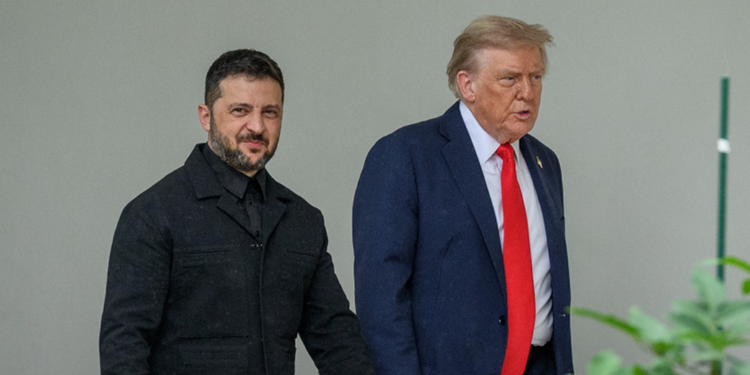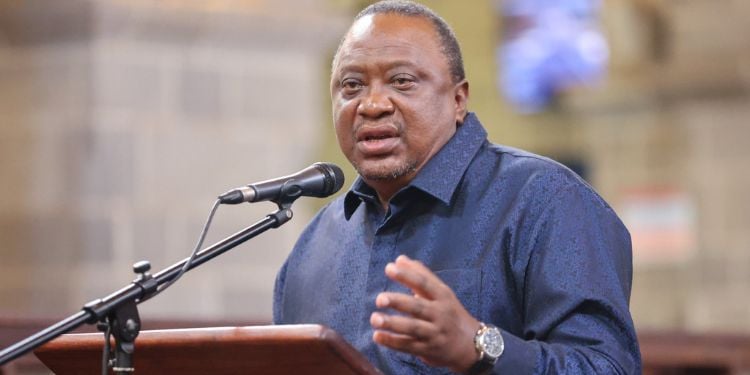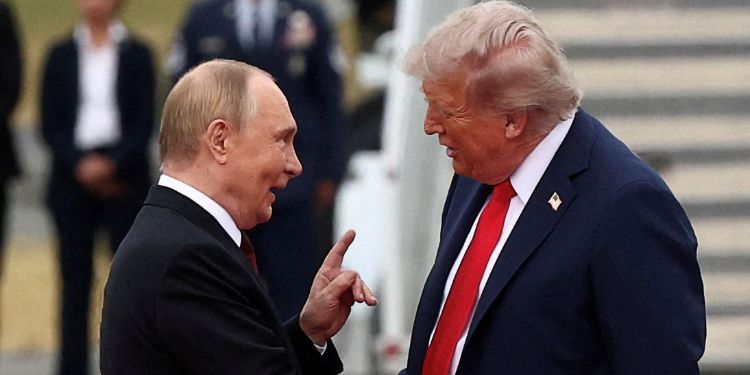
President Donald Trump said Wednesday he has crafted specific compromises to end the Russia-Ukraine war but declined to reveal them, insisting the details stay private to protect ongoing talks.
“I’d rather not say,” Trump told reporters at the White House when pressed on the compromises he suggested to both sides on June 4.
Trump Says Ukraine Peace Deal Requires “Compromises” From Both Sides
“I’m very responsible when that happens. It’s going to happen. They’re going to both make compromises; I suggested those compromises.”
The president described Russia and Ukraine as “two very incredible countries, beautiful countries” that “have got to stop” fighting.
He pointed to heavy losses last month, about 25,000 people killed, mostly soldiers, as a grim reason for urgency.
Trump says this amid his administration’s push for a peace deal by the end of June 2026. U.S. officials have set that deadline, warning both Moscow and Kyiv will be under pressure if talks drag on.
The approach denotes a shift from earlier campaign promises to end the war quickly to one focused on quiet diplomacy and leverage.
Sources familiar with the negotiations say the plan includes freezing the front lines, with Russia retaining control of occupied areas in the east and south, including parts of the Donbas.
Other ideas on the table involve management of the Zaporizhzhia nuclear plant, possible free economic zones, limits on Ukraine’s military size, and security guarantees that fall short of full NATO membership.
Also Read: US Confirms Possible Air Attack in Ukraine Within 24 Hours After Zelenskyy Warning
Trump has kept his own proposals close to the vest. It is believed that he intends to maintain flexibility and avoid giving either side an early excuse to walk away.
“They’re going to both make compromises,” he repeated, signaling that neither Putin nor Zelenskyy will get everything they want.
The war, now in its fourth year since Russia’s full-scale invasion in 2022, has ground into a bloody stalemate.
Russian forces hold roughly 20 percent of Ukraine, with slow progress in the east offset by Ukrainian drone strikes deep inside Russia.
War’s Heavy Toll Continues as Peace Talks Intensify
Numbers of casualties are still disputed, but independent estimates and statements by NATO officials have at times estimated monthly losses of tens of thousands among Russian forces alone.
White House officials have held multiple rounds of talks with both governments. Trump recently called his discussions with Putin “highly productive” and said teams are working on next steps.
The administration has floated the idea of hosting trilateral talks in the U.S., possibly in Miami, to speed things up.
Ukraine’s President Volodymyr Zelenskyy has acknowledged the June deadline but insists that any deal must protect the future security of his country.
Also Read: Trump Privately Signals He Won’t End Iran Ceasefire Unless American Troops Die
European allies have been concerned that swift concessions could lead to a fresh attack by Russia.
Some critics in Congress call the emerging framework overly favorable to Moscow, citing on-the-ground territorial realities after years of fighting.
Supporters of Trump’s strategy argue that endless U.S. aid, which topped $180 billion, combined with European support, cannot continue without a realistic endgame.
They credit the president with forcing both sides back to the table after stalled efforts under the previous administration.
Trump has long argued the war would never have started on his watch. Now in office, he faces the task of delivering results.
The conflict has displaced millions, wrecked cities and infrastructure, and strained global food and energy markets.
A ceasefire along current lines could stop the immediate killing but would leave deep divisions over borders, reconstruction, and long-term guarantees.
Trump promised to end this war in the first days of his return to the White House, a promise he never kept.