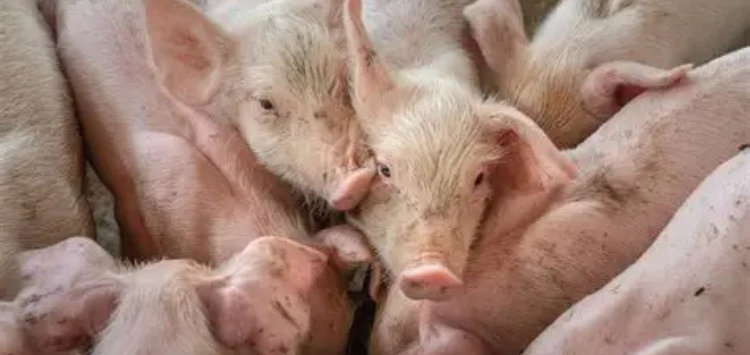
Hungarian authorities have ordered the culling of approximately 3,000 pigs after confirming the country’s first outbreak of African swine fever in domestic pigs, the Hungary National Food Chain Safety Office (Nébih) said on Thursday.
The virus was detected on a large pig farm in the village of Vallaj, in Szabolcs-Szatmár-Bereg county in northeastern Hungary. Laboratory confirmation came on Wednesday, according to the authority.
Culling operations were underway as of Thursday, and an epidemiological investigation has begun to determine the source of the infection and check for possible further spread.
African swine fever is a viral disease that does not affect humans but is highly contagious and nearly always fatal in domestic pigs and wild boars. There is currently no approved vaccine for widespread commercial use.
The disease spreads through direct contact between animals, contaminated feed, equipment, or vehicles, and can also be carried by wild boar populations.
Authorities have established protection and surveillance zones around the affected farm as part of standard containment measures. Movement restrictions on pigs and related products are expected in those zones.
Also Read: Hungary Announces 200 Fully Funded Scholarships with Monthly Stipends for Kenyans
Hungary reported roughly 2.9 million domestic pigs at the end of 2025. The loss of 3,000 animals represents a small share of the national herd but marks a significant development because the country had previously recorded the virus only in wild boar populations.
The disease has been present in parts of Europe for years. Hungary has reported hundreds of cases in wild boars in recent years, particularly in clusters north of Budapest, around Salgótarján, and near Debrecen. This is the first confirmed spillover into a commercial domestic herd.
Similar outbreaks have prompted culling operations in other European countries in recent years, including Croatia, Spain, Germany, Italy, and Estonia. Across Europe and Asia, African swine fever has led to the deaths of hundreds of millions of pigs since it spread beyond Africa, resulting in trade restrictions and disruptions to meat markets.
The National Food Chain Safety Office warned that the outbreak could cause significant economic damage. Pork is an important part of Hungary’s agricultural sector, and any expansion of the outbreak could affect exports and domestic supply chains.
The European Commission maintains strict zoning and control measures for African swine fever across the European Union.
Also Read: Why Hungary Was Chosen to Host Putin–Trump Talks in Budapest- Expert
Member states must report outbreaks promptly and implement stamping-out policies, which involve the humane culling of infected and exposed animals, followed by cleaning and disinfection of premises.
Officials have not yet released details on the suspected route of introduction to the Vallaj farm. Investigations typically examine possible links to wild boar, feed sources, visitor movements, or transport vehicles.
This incident comes amid ongoing regional efforts to manage the disease. While some EU countries have seen reductions in domestic pig outbreaks in early 2026, wild boar cases continue to fluctuate, serving as a persistent reservoir for the virus.
Farmers in the region have been urged to maintain strict biosecurity standards, including limiting access to pig barns, proper disposal of waste, and avoiding contact between domestic pigs and wild animals.