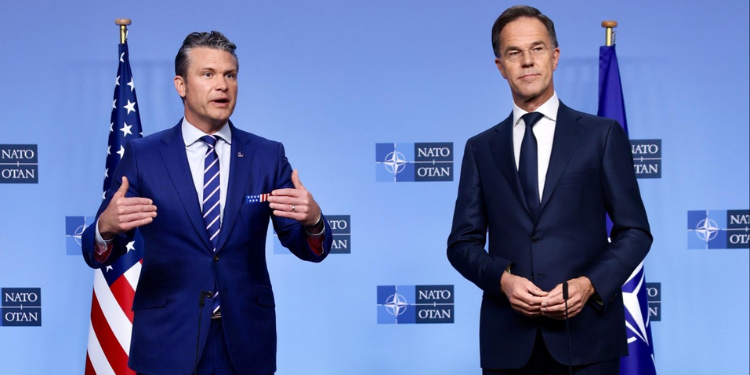
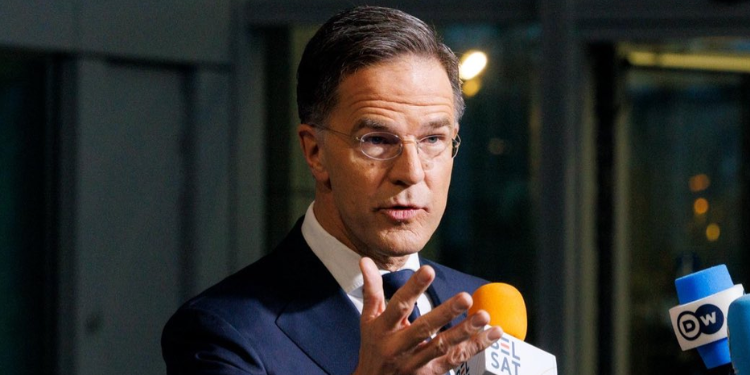
NATO Secretary‑General Mark Rutte will visit the United States amid escalating tensions between Washington and its European allies over the war with Iran.
The alliance confirmed on Wednesday, April 1, that Rutte will make the trip to Washinton next week after President Donald Trump’s threat to withdraw from the NATO.
“I can confirm that the Secretary‑General will be in DC next week for a long‑planned visit,” NATO spokesperson Allison Hart said. A White House official also confirmed the visit to Reuters, though no further details were immediately available.
The announcement follows Trump’s several remarks this week in which he said he was “strongly considering” pulling the United States out of NATO.
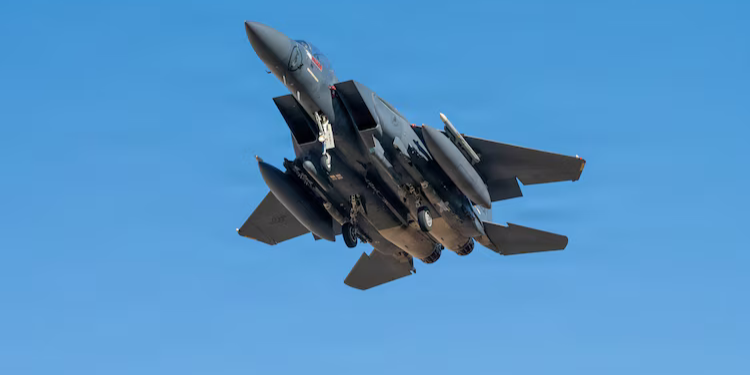
Speaking to The Telegraph, Trump described the alliance as a “paper tiger” and criticized European allies for refusing to send warships to the Strait of Hormuz.
“Oh yes, I would say [it’s] beyond reconsideration. I was never swayed by NATO,” Trump said. “I always knew they were a paper tiger, and Putin knows that too, by the way.”
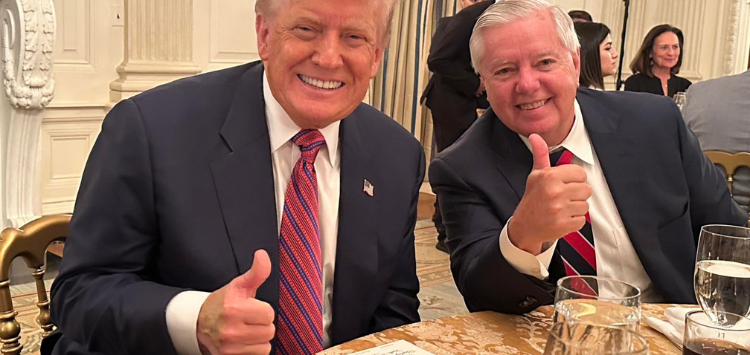
At an Easter lunch earlier on Wednesday with allies at the White House, Trump singled out France and the United Kingdom, saying, “We’ve had some very bad allies in NATO. Hopefully, we’re never going to need them.”
NATO
The North Atlantic Treaty Organization was founded in 1949 by the U.S., Canada, and European nations to deter Soviet expansion and encourage European political integration. Today, NATO has 32 members and remains the cornerstone of Western security.
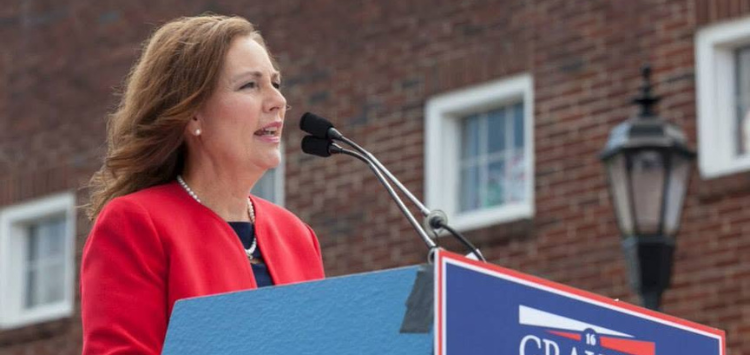
Also Read: US Senator Breaks Ranks to Back Trump on NATO Exit
The U.S. has been a core member since its founding, though Trump has repeatedly criticized the alliance over defense spending and questioned its relevance.
At the 2025 Hague summit, allies committed to investing 5% of GDP annually on defense by 2035, a move Trump hailed as a “big win.”
European leaders have responded cautiously to Trump’s latest remarks. British Prime Minister Keir Starmer defended his decision not to join the Iran war, saying, “This is not our war, and we’re not going to get dragged into it.”
He reaffirmed the U.K.’s commitment to NATO, calling it “the single most effective military alliance the world has ever seen.”
Poland’s Defense Minister Władysław Kosiniak‑Kamysz urged calm, writing on X: “There is no NATO without the USA, but there is no strong United States without allies either. The alliance works both ways.”
Finland’s President Alexander Stubb said he had a “constructive” conversation with Trump about NATO, Ukraine, and Iran, emphasizing the importance of dialogue.
U.S. administration’s position
Secretary of State Marco Rubio had in an interview on Fox News this week said the U.S. may need to “re‑examine” its relationship with NATO after the war, questioning whether the alliance still serves its purpose.
Defense Secretary Pete Hegseth also criticized allies for hesitating to provide assistance, saying, “You don’t have much of an alliance if you have countries who are not willing to stand with you when you need them.”
Also Read: Marco Rubio on the Spot as His Post Warning Against Solo NATO Withdrawal Resurfaces
U.S. Ambassador to NATO Matthew Whitaker told Newsmax that “everything” is on the table, including U.S. involvement in NATO and support for European efforts in Ukraine.
Rutte has attempted to balance support for Trump with acknowledgment of European concerns. Last month, the NATO chief warned of a “more dangerous world” amid conflicts in Ukraine and Iran, while defending U.S. strikes against Iran as necessary to degrade its capabilities.
“Iran is an exporter of chaos to the region and to the world for many years now. Let’s not be naive about that,” Rutte said. He praised U.S. actions but conceded that European hesitation to join the Hormuz mission was due to “good reasons,” including secrecy around U.S. operations.
Rutte noted that more than 30 countries have now committed to discussions on keeping sea lanes open, signaling growing international coordination.