U.S. Central Command forces struck multiple targets inside Iran on Saturday, June 27, after Iranian forces launched a drone that hit a Panama-flagged tanker carrying more than two million barrels of crude oil near the Strait of Hormuz.
The attack on the M/T Kiku came at 4:30 a.m. ET, after U.S. forces had already responded Friday to a separate Iranian drone strike on another commercial vessel.
U.S. Responds to Second Iranian Tanker Attack With New Airstrikes
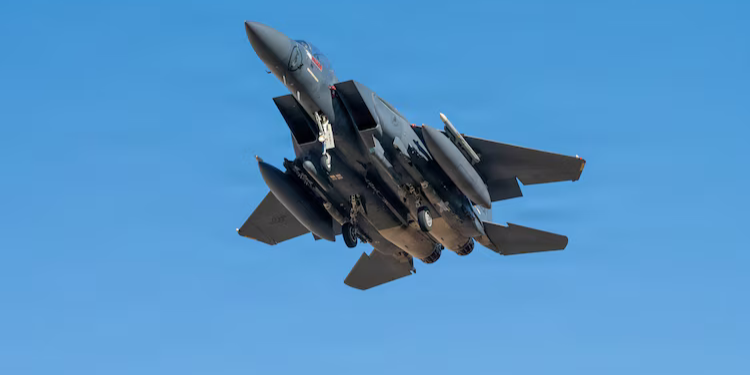
U.S. aircraft targeted Iranian military surveillance infrastructure, communication systems, air defense sites, drone storage facilities, and minelayer capabilities, CENTCOM said in a statement.
This marks the second round of U.S. strikes in two days. The first set followed an Iranian one-way attack drone strike on the Singapore-flagged cargo ship M/V Ever Lovely on Thursday as it exited the strait along the Omani coast.
Commercial shipping continues to move through the narrow waterway, but the back-to-back incidents have put new pressure on a fragile agreement reached between the United States and Iran just over a week ago.
That recently signed memorandum of understanding aimed to halt fighting, reopen the strait to normal traffic, and start talks on Iran’s nuclear program and sanctions relief within 60 days.
Also Read: Eyes on Trump as Iran Targets US Positions, Tanker Hit in Strait of Hormuz
The Strait of Hormuz handles about one-fifth of the world’s oil and natural gas shipments. Recent disruptions quickly affected global energy prices and supply chains.
Iran’s Islamic Revolutionary Guard Corps had warned that vessels using routes not approved by Tehran would not be guaranteed safe passage.
Following the attack, the United Nations’ International Maritime Organization (IMO) paused efforts to move stranded ships through the area while reassessing security conditions.
Second Strait of Hormuz Attack Puts Ceasefire Under Pressure
U.S. officials described Saturday’s action as a direct reply to continued Iranian moves against commercial shipping.
CENTCOM stated that after the strike on the Ever Lovely, Iran was given time to comply with the ceasefire terms, but instead launched the new drone attack.
The command said U.S. forces remain ready and positioned to protect shipping lanes. “Commercial vessel transits through the Strait of Hormuz continue,” the statement noted.
The agreement has faced repeated strains since it was reached. The memorandum followed months of tensions that included direct exchanges and a naval blockade.
It called for an immediate end to military operations on all fronts and set up a process to work toward a longer-term agreement, which involves Iran’s highly enriched uranium and nuclear ambitions.
Also Read: US Strikes Iran After Trump Says Tehran Violated Ceasefire With Strait of Hormuz Ship Attack
Iran has not publicly commented on the Saturday strikes in its immediate reports. The country has long claimed control over parts of the strait and has used its forces there before to pressure opponents.
The incidents come as the region deals with other fragile ceasefires, including steps toward calm between Israel and Lebanon.
Those separate efforts added to hopes that broader fighting could wind down, but the Hormuz clashes show how quickly things can shift at sea.
What U.S. Response Means for Iran Nuclear Talks and Regional Stability
Any sustained trouble in the Strait raises fears of higher oil prices and shipping costs.
U.S. President Donald Trump’s administration pushed for the recent memorandum to stop the immediate conflict and create space for talks.
The deal also included provisions to ease some financial restrictions on Iran while negotiations continued.
Like Friday’s operation, Saturday’s strikes appeared limited in scope, focused on military capabilities tied to the tanker attacks rather than broader infrastructure or leadership targets.
U.S. officials have signaled they want to avoid full-scale war while still responding when commercial ships come under fire.
Pentagon and State Department officials have maintained that the U.S. goal remains the protection of freedom of navigation in international waters.
Iran has repeatedly accused the U.S. and its allies of escalating tensions through military deployments and sanctions.