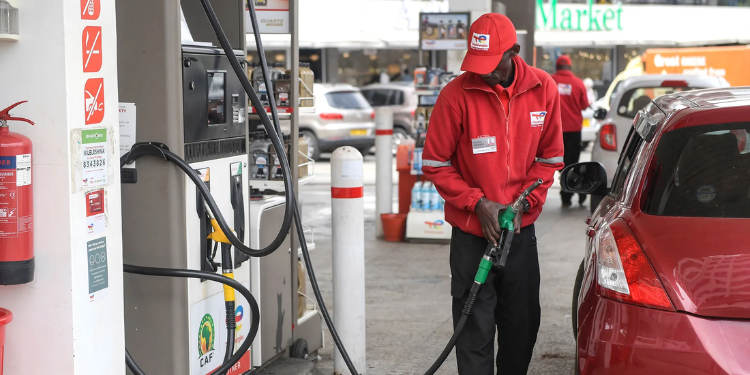
The Energy and Petroleum Regulatory Authority (EPRA) has revised maximum retail pump prices for petroleum products, lowering diesel by KSh10.06 per litre and increasing kerosene by KSh38.60 per litre, while leaving petrol prices unchanged, according to a press statement issued on Monday, May 18, 2026.
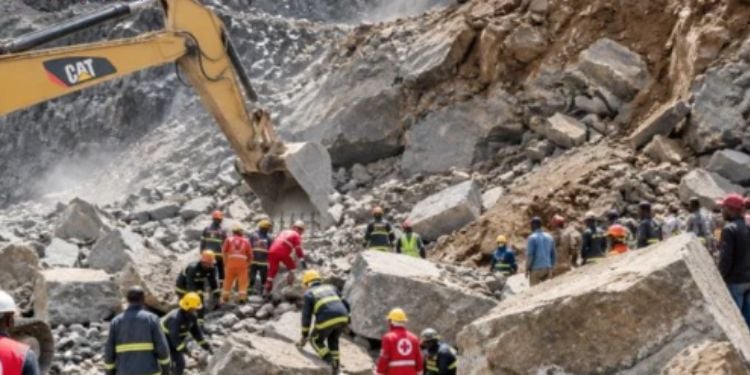
The decision comes in the immediate aftermath of nationwide protests and transport strikes triggered by a sharp rise in fuel costs, which have left at least four people dead and dozens injured, according to authorities.
Fuel Price Adjustments Announced
In the updated review, EPRA said diesel prices will decline following a six-hour consultative meeting with public transport operators over rising fuel costs and concerns affecting the transport sector.
Petrol prices remain unchanged for the review period running from May 19 to June 14, 2026.
Implementation Period and Pricing Details
The new pump prices will apply across the country starting May 19, 2026, with the updated Nairobi rates forming the basis for national pricing adjustments.
EPRA also noted that the revised pricing structure is intended to support transparency in the petroleum supply chain and reduce arbitrage opportunities between diesel and kerosene in the local market.
The authority said it will continue monitoring global oil prices and domestic distribution costs during the review period. It further urged stakeholders to strictly comply with official pump price guidelines.
Regional Maximum Pump Prices
EPRA’s annex shows regional pump prices varying across the country. In Nairobi, the maximum retail prices are set at KSh214.25 for Super Petrol, KSh232.86 for Diesel, and KSh191.38 for Kerosene.
Also Read: EPRA Announces Fuel Prices for May and June Cycle
In Mombasa, petrol is KSh211.09, diesel KSh229.58, and kerosene KSh188.09. In Kisumu region towns such as Nyeri and Nanyuki, diesel ranges above KSh234 per litre, while kerosene rises above KSh193 per litre in some areas.
Other notable prices include Thika at KSh213.92 (petrol), KSh232.50 (diesel), and KSh191.02 (kerosene), while Machakos stands at KSh214.29, KSh232.91, and KSh191.41, respectively.
EPRA said the full pricing schedule applies to 36 towns, including Mombasa, Nairobi, Nakuru, Embu, Nyeri, and Kitui, reflecting regional transport and distribution costs.
Deadly Protests Over Fuel Costs
According to the Interior Ministry, the unrest erupted after a sharp rise in fuel prices, which pushed transport operators to shut down services. Roads in Nairobi and other towns were left largely empty as matatus stayed off the roads, while some businesses closed.
Also Read: Mbadi Reveals Why Govt Cannot Scrap Fuel Taxes
Authorities said 348 people were arrested during the protests, which saw road blockades, burning tyres, and confrontations with police. Security agencies also reported injuries to officers and damage to vehicles.
Transport operators had demanded lower fuel prices, warning that rising costs had made public transport unaffordable for many Kenyans. Some groups called for reductions of up to 35 percent.
Treasury officials acknowledged that rising fuel prices were straining households and businesses but maintained that global oil market dynamics were the main driver. They dismissed the strike as disruptive, saying policy responses must remain data-driven rather than emotional.
Despite the new adjustments, transport operators have warned of possible continued disruptions if deeper price cuts are not implemented.