
Nairobi Governor Johnson Sakaja is facing an arrest order following a directive from the Senate County Public Accounts Committee over alleged contempt of Parliament.
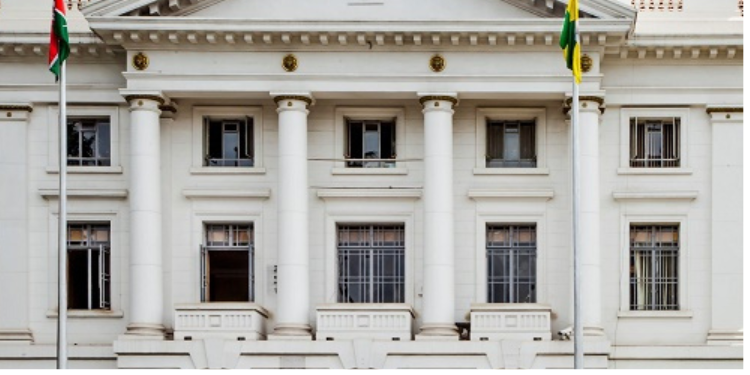
In a video shared by Citizen TV, as seen by The Kenya Times, armed, uniformed police were captured waiting outside the city hall, which is also the office of the governor in Nairobi.
Sakaja Faces Arrest Directive
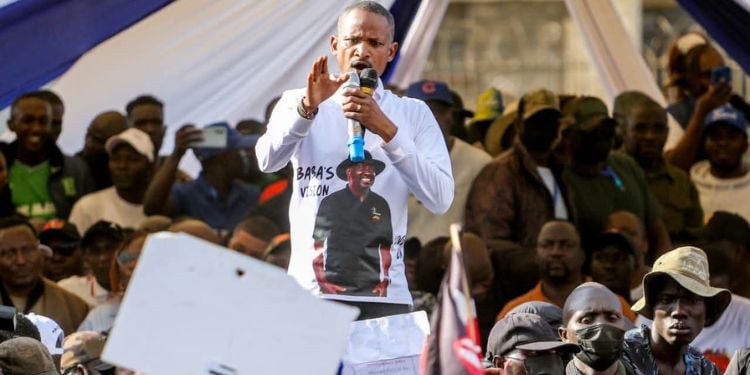
Sakaja is at the centre of a legal standoff after the Senate County Public Accounts Committee (CPAC) issued a directive for his arrest over allegations of contempt of Parliament.
The committee, which oversees government audit and accountability processes, has accused the governor of repeatedly failing to appear before it to answer queries on county expenditures and audit findings.
Inspector General Douglas Kanja earlier warned that the police will arrest and present to the Senate’s County Public Accounts Committee all governors who ignore summons.
On March 25, CPAC gave Inspector General Douglas Kanja until Monday, March 30, to produce Sakaja before the committee; failure to do so, CPAC Chair Moses Kajwang stated, would result in the committee declaring him unfit to hold public office.
The committee also fined Sakaja KSh 500,000 for failing to honour a Senate summons.
Also Read: Relief for Nairobi Landlords as Sakaja Issues Order Ahead of Crackdown
Samburu Governor Summoned Over Audit Queries
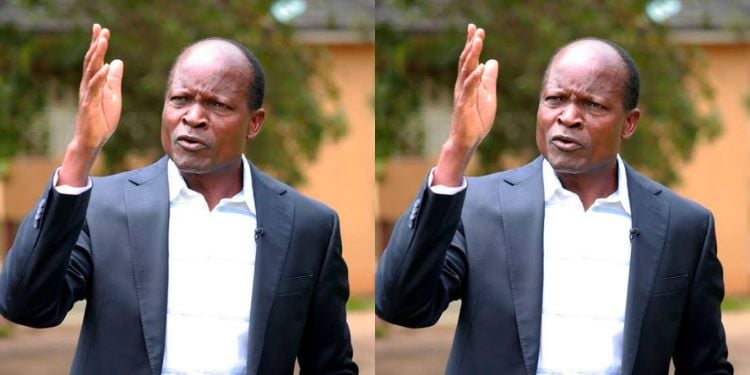
Samburu Governor Jonathan Lati Lelelit has also been at the centre of a Senate accountability dispute.
The CPAC has repeatedly summoned Governor Lelelit to answer questions over county audit queries relating to financial management, but reports indicate he has not appeared before the committee on several scheduled dates.
The Senate committee previously summoned Inspector General Kanja after police failed to execute an order to arrest and produce Lelelit before the committee.
CPAC chair Moses Kajwang’ accused the police leadership of undermining Parliament’s authority by not acting on the directives.
Governor Lelelit’s absence from committee sittings reportedly included occasions when he was attending other official engagements, including meetings of his political party’s governing council.
Also Read: Sakaja Orders Demolitions Across Nairobi
Legal and Political Implications
senators have maintained that accountability to Parliament is a constitutional requirement, and failing to attend committee sittings without compelling reasons could constitute contempt.
The unfolding events highlight a constitutional and institutional tension between Parliament, the executive and the police.
Article 125 of the Kenyan Constitution grants Parliament the power to summon public officers for audit and accountability inquiries, and, where there is non-compliance, Parliament may impose sanctions, including fines or recommending arrest.
Executing such sanctions depends on cooperation from the National Police Service and, in some cases, court orders.