Motorists have expressed concern over a sharp increase in fuel prices, with reports indicating that retail costs have risen to as high as KSh 450 per liter in some areas.
The surge has disrupted transport operations and triggered allegations of fuel hoarding and irregular distribution.
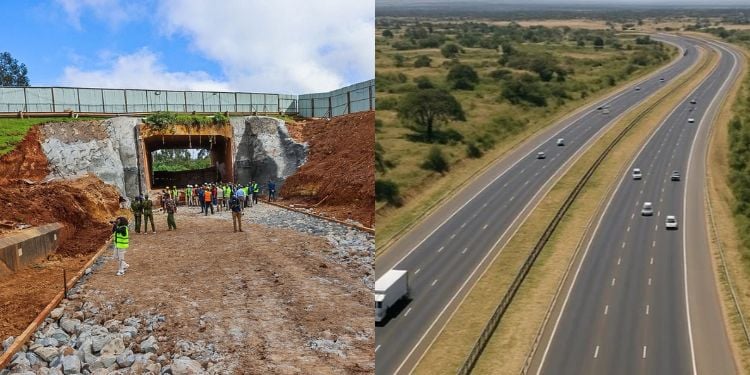
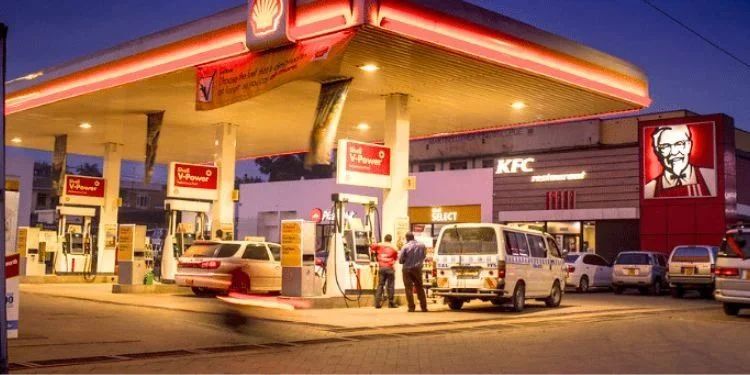
According to reports, motorists in Ilbissil town, Kajiado County, have reported a severe fuel shortage that has pushed petrol prices to as high as KSh 450 per litre disrupting transport operations along the Nairobi–Namanga Highway, with many vehicles grounded due to lack of fuel.
Outrage as Motorists Buy Fuel at Ksh450 Per litre
Speaking to KBC, local motorists and boda boda operators said normal transport activities have been significantly affected, forcing them to adjust fares to cover rising fuel costs. They noted that fuel is mainly available at standard prices in nearby towns such as Kajiado and Namanga, whereas in Ilbissil it is not.
“We have just witnessed a tanker delivering fuel to one of the petrol stations, but they are not selling it at the pump. Instead, it is being siphoned into small containers and sold along the roadside at an exorbitant price of Ksh 450 per litre. They are also dispensing fuel in bulk to specific individuals at night,” lamented George Kimani, a matatu operator.
Also Read: Global Oil Prices Decline as Kenyans Set Eyes on EPRA
The motorists say the situation has severely affected transport operations, forcing them to transfer the high fuel costs to passengers.
“We can only access fuel at normal prices in Kajiado and Namanga towns. We do not understand why Ilbissil is the only area affected,” said Ian Makau, a boda boda rider.
EPRA Maintains Fuel Prices in Latest Review as Motorists Call for Relief Ahead of Next Pricing Cycle
The Energy and Petroleum Regulatory Authority (EPRA) announced that maximum retail prices for petroleum products will remain unchanged for the March–April pricing cycle, effective from March 15, 2025, to April 14, 2026. In its review released on Saturday, March 14, EPRA stated that Super Petrol, Diesel, and Kerosene prices would remain steady for the 30-day period.
In Nairobi, the retail prices were set at KSh 178.28 for Super Petrol, KSh 166.54 for Diesel, and KSh 152.78 for Kerosene. EPRA confirmed that similar pricing structures apply across other towns, with Kisumu recording KSh 178.16 for Super Petrol, KSh 166.76 for Diesel, and KSh 153.03 for Kerosene, while Mombasa and Eldoret have slightly varied rates depending on distribution costs.
Also Read: How EPRA Calculates Retail Fuel Prices
According to EPRA’s pricing review, the average landed cost of imported Super Petrol increased by 1.00 percent from US$576.34 per cubic metre in January 2026 to US$582.11 in February 2026. Diesel recorded a higher rise of 8.46 percent, while Kerosene increased by 6.79 percent over the same period, reflecting changes in global import costs despite stable retail prices.
Ahead of the latest review expected later today, the Motorists Association of Kenya (MAK) has urged EPRA to avoid increasing fuel prices, arguing that any upward adjustment would worsen economic pressure on consumers.
The association called for either reduced or maintained prices, citing concerns over rising transport costs and reduced economic activity linked to fuel price fluctuations.
“Using fuel price increases as a revenue-generating mechanism is counterproductive. It reduces economic activity, shrinks the tax base, and negatively impacts GDP. Ultimately, it benefits only a tiny fraction of individuals while burdening millions of Kenyans,” MAK said.