
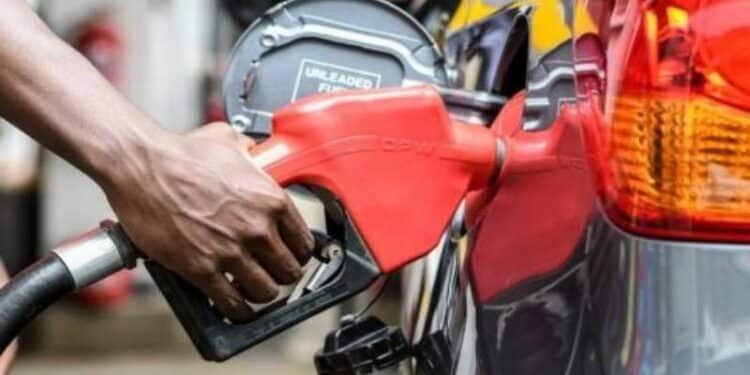
Fuel prices in Kenya continue to rise, placing increasing pressure on motorists due to rising transport costs.
The Energy and Petroleum Regulatory Authority (EPRA) increased fuel prices, with Super Petrol, Diesel, and Kerosene in Nairobi currently retailing at KSh214.25, KSh232.86, and KSh191.38, respectively.
To help motorists cut fuel costs, The Kenya Times has a conversation with Joan at 4Real, a company that specializes in pre-purchase vehicle inspections.
Here are 10 proven tips Kenyan motorists can use to save fuel and cut costs in 2026.
Avoid sudden acceleration
Joan explained that many drivers tend to accelerate aggressively from low speeds to high speeds, which increases fuel consumption.
“When you suddenly accelerate, the throttle opens wider, allowing more air into the engine. The ECU then releases more fuel to maintain the air-fuel ratio, which directly affects fuel consumption,” she said.
Instead, she advised motorists to allow their vehicles to accelerate gradually.
Speed for driving
According to the expert, driving too slowly does not necessarily save fuel because vehicles remain in lower gears longer, increasing fuel consumption.
She added that high speeds mean higher RPM and stronger wind resistance. Anything between 70–90 km/hr saves fuel. You are relatively in higher gears, wind resistance is balanced, and RPM is not too high. This is ideal for long-distance driving.
Remove the rooftop tents and unnecessary luggage
She noted that extra weight on a vehicle significantly affects fuel consumption, especially for motorists who use their cars for camping.
Some people leave rooftop tents on their cars because removing them is a hassle, but any extra load increases fuel consumption. She encouraged drivers to keep their vehicles as light as possible.
Inflate your tyres properly and evenly
Joan warned that underinflated tyres increase rolling resistance, forcing the engine to work harder. Underinflated tyres not only cause premature wear and tear but also significantly affect fuel consumption.
She advised motorists to regularly check tyre pressure and ensure all tyres are evenly inflated.
Also Read: New Fuel Prices in Major Towns as EPRA Recalculates Prices at Night
Use the right tyres
According to Joan, many motorists fit the wrong tyres for their driving needs. For example, mud-terrain tyres create more resistance on highways, which increases rolling resistance and fuel consumption.
She advised drivers who mainly use highways to choose tyres designed for tarmac roads.
Don’t leave your car idling
Joan explained that idling consumes more fuel than many motorists realize.
Modern cars may have a start-stop function, but older vehicles rely on the driver to manually switch off the engine. she added that idling may not seem like it consumes much fuel, but it really does.
Also Read: Govt Explains Cause of Fuel Shortage as Motorists Queue in Petrol Stations
Service your engine
Joan stressed the importance of regular vehicle servicing in improving fuel efficiency.
If your car is not properly serviced, dirty oil filters and other engine issues can strain the engine and increase fuel consumption.
Fix your brakes
She also pointed out that slightly stuck brakes can increase fuel use.
When the brakes drag, the engine is forced to work harder, increasing fuel consumption.
Plan your drives wisely
Joan advised motorists to combine errands into a single trip rather than making several short drives.
Repeated short drives consume more fuel than a single longer drive because the engine does not have enough time to operate efficiently.
Fight for quality engine oil