



Motorists in major Kenyan towns are set to pay less after the Energy and Petroleum Regulatory Authority (EPRA) recalculated maximum petroleum prices, effective from May 19, 2026, to June 14, 2026.
In a statement issued on May 18, EPRA noted that the revised fuel prices followed a petition by public transport sector operators seeking measures to reduce the risk of fuel adulteration arising from the price gap between diesel and kerosene.
“We have recalculated the maximum petroleum prices to be in force from 19th May 2026 to 14th June 2026 following a petition by public transport sector operators on the need to minimize the risk of motor fuel adulteration that may arise due to the Diesel & Kerosene price difference,” read the statement in part.
EPRA New Petroleum Prices in 5 Major Towns After Adjustments
According to the EPRA statement, in Nairobi, Super Petrol will retail at KSh 214.25 per litre, Diesel at KSh 232.86, and Kerosene at KSh 191.38 during the review period.
Motorists in Mombasa will pay KSh 211.09 per litre for Super Petrol, KSh 229.58 for Diesel, and KSh 188.09 for Kerosene.
In Nakuru, the new prices are KSh 213.15 for Super Petrol, KSh 232.27 for Diesel, and KSh 190.81 for Kerosene.
Eldoret residents will pay KSh 213.92 per litre for Petrol, KSh 233.09 for Diesel, and KSh 191.63 for Kerosene under the latest review.
In Kisumu, Super Petrol will retail at KSh 213.91, Diesel at KSh 233.08, while Kerosene will cost KSh 191.63 per litre.
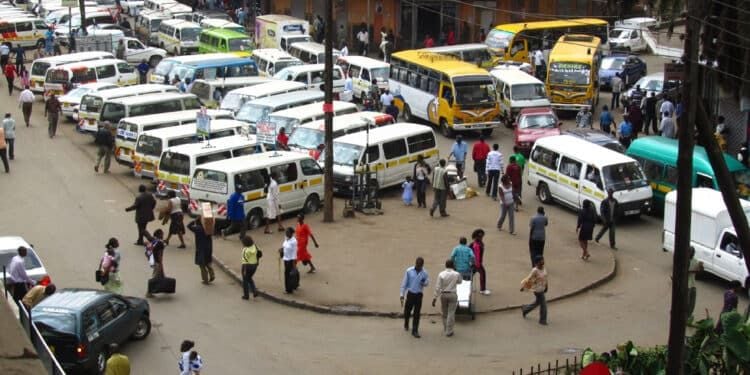
Paralysis Set to Continue in Major Towns as Matatu Strike Enters Day Two
Business disruptions are expected to continue across major towns after public service vehicle operators extended their nationwide strike into a second day, worsening transport challenges and slowing economic activity.
Transport company Metrotrans Bus, in a statement on May 19, announced that its buses would remain off the roads until further notice due to the ongoing PSV strike, signaling continued disruption for commuters and businesses dependent on public transport.
“We wish to inform you that the PSV strike is still ongoing and therefore our buses will not be operating tomorrow until further notice,” the company noted.
Also Read: EPRA Announces New Fuel Prices After Countrywide Protests
The strike follows protests witnessed across several parts of the country on Monday, with reports indicating that at least four people were killed while several others sustained injuries during clashes and demonstrations.
Cases of looting and vandalism were also reported in some towns, forcing many traders and business owners to keep shops closed over security concerns and fears of further unrest.
Schools in affected areas either remained closed or had low attendance, as many learners and teachers faced difficulties accessing their institutions due to transport disruptions.
Many employees were also unable to report to work, with limited matatu operations and fears of insecurity affecting movement in major urban centers.
KAM Raises Concern Over Record Fuel Prices and Rising Cost of Living
The Kenya Association of Manufacturers (KAM) has raised concern over the sharp increase in fuel prices announced by the Energy and Petroleum Regulatory Authority on May 14, 2026, warning that the changes could worsen the country’s economic challenges.
Also Read: 4 Dead as Murkomen Reveals Magnitude of Countrywide Protests
KAM stated that rising fuel costs are expected to increase transportation, manufacturing, agriculture, food production, and the movement of goods across the country, ultimately raising the cost of living and reducing business competitiveness.
“The country is facing challenging economic times driven by the continuously rising cost of fuel and declining purchasing power,” the Association noted.
The manufacturers’ body further noted that taxes and levies, including VAT, Excise Duty, Road Maintenance Levy, Petroleum Development Levy, Railway Development Levy, and Anti-Adulteration Levy, account for about 46 percent of retail fuel prices, placing additional pressure on businesses and households.
KAM warned that the impact is already being felt in the transport and logistics sector, where operators have raised fares nationwide. The association also linked recent protests and work stoppages by public transport operators to the rising fuel costs, saying the disruptions affected productivity, supply chains, and access to workplaces.



Taxes and fees account for up to 46% of the retail price of fuel, placing a heavy burden not only on businesses but also directly impacting households.